


Ayurvedic Tongue Scraping | Why and How?

Updated: Jul 12
Have you ever wondered why your tongue has a coating when you wake up in the morning? In Ayurveda, that coating is more than just residue—it may be a sign of Ama, the accumulation of undigested metabolic waste that forms when Agni (digestive fire) becomes weakened. Tongue scraping is one of Ayurveda's simplest daily self-care practices (Dinacharya), helping remove this buildup while offering valuable insight into your digestive health and overall well-being.
Practiced for thousands of years, Ayurvedic tongue scraping supports fresh breath, oral hygiene, taste perception, and mindful self-observation. Before you scrape your tongue each morning, take a moment to observe it. Changes in its color, coating, moisture, shape, or texture can provide important clues about digestion, dosha balance, hydration, and the presence of Ama.
In this guide, you'll discover why Ayurvedic tongue scraping matters, its evidence-informed and traditional benefits, how to scrape your tongue correctly, what your tongue may reveal about your health, and how this simple daily habit can become an important part of your Ayurvedic wellness routine.

Explore more on the Saumya Blog, selected top Ayurveda blogs and websites.
Ayurvedic tongue scraping is a daily self-care practice that removes bacteria, food debris, and Ama (metabolic waste) from the tongue. Traditionally performed each morning before brushing your teeth, it supports oral hygiene, fresh breath, healthy digestion (Agni), taste perception, and mindful observation of your overall health.
Key Takeaways
Ayurvedic tongue scraping is a simple daily practice that removes bacteria, food debris, and Ama (metabolic waste) while supporting fresh breath, oral hygiene, and healthy digestion.
Your tongue is a mirror of your health. Changes in its color, coating, moisture, shape, and texture may provide clues about your Agni (digestive fire), dosha balance, hydration, and overall well-being.
Scrape your tongue every morning before brushing your teeth using a copper, stainless steel, or silver tongue scraper. Gentle strokes from the back of the tongue toward the tip are all that's needed.
Tongue scraping is most effective as part of Ayurveda's daily routine (Dinacharya), alongside drinking warm water, brushing your teeth, oil pulling, and other healthy morning habits.
Consistent tongue scraping may improve taste perception, encourage mindful self-observation, and support long-term digestive wellness.
Persistent tongue changes, pain, sores, or unusual discoloration should be evaluated by a qualified healthcare professional, as tongue scraping is a wellness practice and not a substitute for medical or dental care.
Table of Contents

What Is Tongue Scraping?
Every morning, your tongue tells a story about your health. Before you brush your teeth or enjoy your first sip of water, take a look in the mirror. The color, coating, moisture, shape, and texture of your tongue may offer valuable clues about your digestion, hydration, and overall well-being.
Tongue scraping is the practice of gently removing the coating from the surface of the tongue using a specially designed tongue scraper. Practiced for thousands of years as part of Dinacharya (Ayurveda's daily routine), tongue scraping supports oral hygiene while encouraging mindful awareness of your body's internal balance.
During sleep, bacteria, food debris, dead cells, and other substances naturally accumulate on the tongue, creating the coating many people notice upon waking. Gently removing this buildup can leave your mouth feeling cleaner, freshen your breath, enhance your sense of taste, and complement your daily oral hygiene routine.
In Ayurveda, tongue scraping serves a deeper purpose than simply cleaning the tongue. Before scraping, practitioners observe the tongue's color, coating, moisture, shape, and texture for clues about Agni (digestive fire), dosha balance, hydration, and the possible presence of Ama (metabolic waste). These daily observations encourage greater self-awareness and help you recognize subtle changes in your health over time.
Although tongue scraping is rooted in Ayurveda, modern research also suggests it can reduce tongue coating and odor-causing bacteria, making it a valuable addition to a healthy oral care routine.
Ayurvedic Tip: Before scraping your tongue each morning, pause for a few seconds and simply observe it. Those brief daily observations can become one of the easiest ways to stay connected to your digestion and overall well-being.

Why Tongue Scraping Matters in Ayurveda
In Ayurveda, tongue scraping is much more than an oral hygiene practice—it's a daily opportunity to connect with your body's changing needs. As one of the foundational practices of Dinacharya (Ayurveda's daily routine), it encourages you to pause each morning, observe your tongue, and begin the day with greater awareness of your health.
The tongue is considered a mirror of the body's internal state. Before scraping, practitioners observe its color, coating, moisture, shape, and texture for clues about Agni (digestive fire), dosha balance, hydration, and the possible presence of Ama (metabolic waste). These subtle changes may provide early insights into digestive health and overall well-being.
According to Ayurveda, strong Agni is the foundation of good health. When digestion is balanced, food is properly transformed into nourishment for the body's tissues. When Agni becomes weakened, however, digestion may become less efficient, contributing to the formation of Ama. A thick or persistent coating on the tongue is traditionally viewed as one possible sign that the body may benefit from restoring healthy digestion.
Tongue scraping removes the visible coating from the tongue, but Ayurveda teaches that lasting wellness comes from addressing the root cause. Supporting healthy digestion through nourishing foods, mindful eating, restorative sleep, stress management, regular movement, and healthy daily routines helps reduce the formation of Ama and promotes long-term balance.
Ultimately, tongue scraping is not simply about having a cleaner tongue—it's about developing a deeper relationship with your body. By taking a few moments each morning to observe and care for your tongue, you cultivate one of Ayurveda's most important principles: awareness is the first step toward lasting health.
Ayurvedic Wisdom: "One who understands the signs of balance and imbalance within the body is better able to preserve health than one who waits for disease to appear." Tongue scraping embodies this philosophy by encouraging daily observation, prevention, and self-care.

Benefits of Tongue Scraping
Tongue scraping is one of Ayurveda's simplest daily wellness practices, yet its benefits extend beyond fresh breath. By gently removing overnight buildup from the tongue, it supports oral hygiene while encouraging mindful awareness of your digestion and overall well-being.
In Ayurveda, the tongue is viewed as a mirror of the body's internal state. Before scraping, practitioners observe the tongue's color, coating, moisture, shape, and texture for clues about Agni (digestive fire), dosha balance, hydration, and the possible presence of Ama (metabolic waste). This daily practice transforms a few moments each morning into an opportunity for self-awareness.
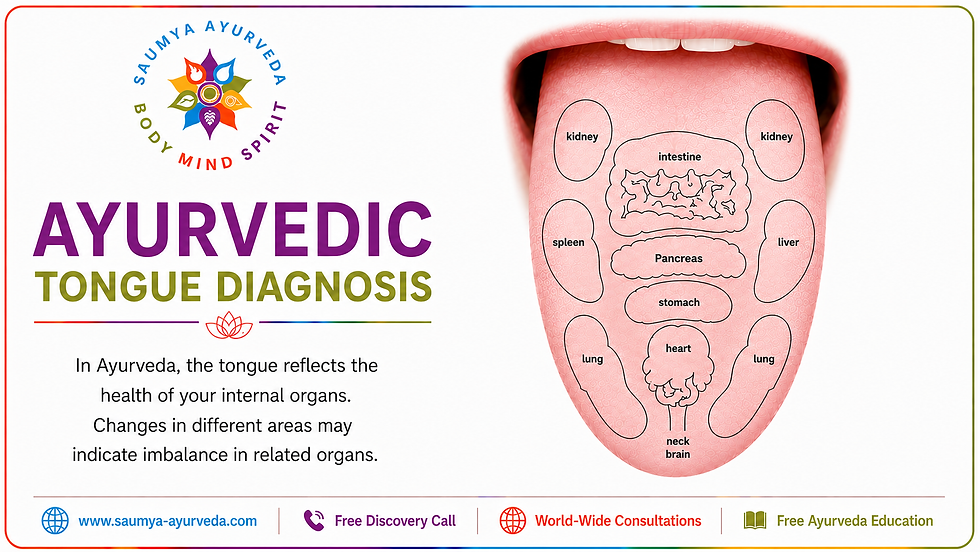
According to Ayurvedic tradition, different areas of the tongue correspond with different organs and body systems. As part of Dinacharya (Ayurveda's daily routine), gentle tongue scraping helps remove the visible coating of Ama while stimulating the tongue and supporting healthy digestion.
While tongue scraping removes the coating from the tongue itself, Ayurveda teaches that lasting health comes from addressing the underlying causes of Ama through balanced digestion, wholesome nutrition, restorative sleep, stress management, and healthy daily habits.
Benefits of Daily Tongue Scraping
1. Promotes Fresh Breath
Removing overnight buildup from the tongue helps reduce odor-causing bacteria, leaving your mouth feeling clean and fresh throughout the day.
2. Supports Good Oral Hygiene
Tongue scraping helps remove bacteria, food debris, dead cells, and excess coating from the tongue's surface. Combined with regular brushing and flossing, it supports a healthy oral environment.
3. Enhances Your Sense of Taste
Clearing the tongue's surface allows your taste buds to function more effectively, helping you better appreciate the natural flavors of your food.
4. Supports Healthy Digestion
Ayurveda teaches that digestion begins in the mouth. Making tongue scraping part of your morning routine encourages awareness of your digestive health while preparing your digestive system for the day ahead.
5. Encourages Daily Self-Observation
By observing your tongue before scraping, you may notice changes in its coating, color, moisture, shape, or texture. These observations can provide valuable clues about your digestion, hydration, and overall balance.
6. Complements an Ayurvedic Morning Routine
Tongue scraping works best alongside other Dinacharya practices such as drinking warm water, brushing your teeth, oil pulling, mindful movement, meditation, and eating a nourishing breakfast.
7. Supports Whole-Person Wellness
Although tongue scraping removes the visible coating from the tongue, Ayurveda emphasizes that true healing comes from strengthening Agni and reducing the formation of Ama throughout the body through healthy diet, lifestyle, and daily habits.
Remember: Tongue scraping is just one part of a healthy daily routine. Lasting wellness comes from consistently supporting digestion, nourishing the body with wholesome foods, managing stress, sleeping well, and living in harmony with your unique constitution.
Explore More

What Is Ama?
A thin white coating on the tongue is often normal, especially first thing in the morning. In Ayurveda, however, a thick, heavy, or persistent coating may suggest the presence of Ama—a buildup of undigested metabolic waste that can accumulate when Agni (digestive fire) is weakened. Ayurveda views Ama as one of the earliest signs of imbalance, making the tongue an important part of daily self-observation.
Tongue scraping helps remove this overnight buildup, supporting oral hygiene and fresh breath. Just as importantly, it encourages you to observe your tongue before scraping, allowing you to notice changes in its color, coating, moisture, shape, and texture over time. These observations may provide valuable clues about your digestion and overall state of health.
"We remove the coating of Ama from the tongue because it supports good oral and digestive health. More importantly, what appears on the tongue reflects the presence of Ama throughout the body and mind. The goal is not simply to clean the tongue, but to systematically reduce Ama throughout the whole person."— Veena Blilie, Saumya Ayurveda
The National Institutes of Health describes Āma as "the abnormal or impaired process of digestion and metabolism that leads to the buildup of toxic by-products, which cannot be neutralized or eliminated by the body."Want to learn more about Ama?
Read our guide, Healthy digestion begins with a strong Agni. Learn how to naturally strengthen your digestive fire in Improve Agni: Your Digestive Fire Is Key To Good Health, where you'll discover Ayurvedic strategies to support digestion, reduce Ama, and promote lasting wellness.
"When Agni (digestive fire) becomes weak, food is not properly digested and forms Ama. This Ama obstructs the body's channels (Srotas) and becomes the root cause of many diseases."
— Charaka Samhita, Chikitsa Sthana 15 (Grahani Chikitsa)

What Does the White Coating on Your Tongue Mean?
Have you ever looked in the mirror first thing in the morning and noticed a white coating on your tongue? A thin, light coating is often normal and reflects the natural buildup of bacteria, dead cells, food debris, and saliva that accumulates overnight. However, in Ayurveda, a thick, heavy, or persistent coating may offer additional insight into your digestive health.
According to Ayurveda, a coated tongue may indicate the presence of Ama (metabolic waste), which forms when Agni (digestive fire) is unable to fully digest and metabolize food, thoughts, and experiences. Rather than viewing the coating as the problem itself, Ayurveda considers it a visible clue that digestion and metabolism may need support.
This is why tongue scraping begins with observation. Before gently removing the coating, take a few moments to notice your tongue's color, coating, moisture, shape, and texture. Over time, these daily observations can help you recognize subtle changes in your digestion, hydration, dosha balance, and overall well-being.
While tongue scraping removes the visible coating from the tongue, Ayurveda teaches that lasting improvement comes from addressing the underlying cause. Supporting healthy digestion through wholesome foods, mindful eating, restorative sleep, stress management, and healthy daily routines helps strengthen Agni and naturally reduce the formation of Ama over time.
Ayurveda Tongue Map: Understanding Organ Locations on the Tongue Ayurveda Tongue Diagnosis: What Your Tongue Is Saying About Your Health
Tongue scraping has been recommended as part of Ayurveda's daily routine (Dinacharya) for more than 2,000 years. The Ashtanga Hridayam includes jihvā nirlekhana (tongue scraping) among the essential morning practices for maintaining health and supporting daily self-care.
--(Ashtanga Hridayam, Sutrasthana, Chapter 2 – Dinacharya).

How Tongue Scraping Supports Digestion
In Ayurveda, healthy digestion begins in the mouth. Before food ever reaches the stomach, the senses prepare the body for digestion. Seeing, smelling, tasting, and chewing food all help activate digestive processes, making the mouth an important first step in the digestive journey.
Tongue scraping supports this process by gently removing the overnight coating that can dull your taste buds. A cleaner tongue allows you to better experience the six Ayurvedic tastes (rasa)—sweet, sour, salty, pungent, bitter, and astringent—which play an important role in stimulating digestive secretions and preparing the body to receive nourishment.
Just as importantly, tongue scraping encourages daily observation of your digestive health. In Ayurveda, changes in the tongue's color, coating, moisture, shape, and texture may reflect changes in Agni (digestive fire) and the possible accumulation of Ama (metabolic waste). By observing your tongue each morning, you become more aware of how your diet, stress, sleep, and lifestyle influence your digestion.
Tongue scraping itself does not "detox" the digestive tract. Instead, Ayurveda views it as a supportive daily practice that removes visible buildup from the tongue while encouraging the habits that promote healthy digestion.
Over time, strengthening Agni through balanced nutrition, mindful eating, regular movement, restorative sleep, and healthy daily routines helps reduce the formation of Ama and supports long-term digestive wellness.
Ayurvedic Tip: After scraping your tongue, drink a glass of warm water to gently awaken digestion before beginning the rest of your morning routine.

Tongue scraping (Jihvā Nirlekhana) has been recommended in Ayurveda for more than 2,000 years. The Ashtanga Hridayam includes tongue scraping among the essential practices of Dinacharya (the daily routine), reflecting Ayurveda's emphasis on oral hygiene, self-observation, and preventive healthcare.
— Ashtanga Hridayam, Sutrasthana, Chapter 2 (Dinacharya)
How to Use a Tongue Scraper
Tongue scraping is one of the simplest practices in Ayurveda's daily routine (Dinacharya). Performed each morning, it helps remove overnight buildup from the tongue while encouraging mindful observation of your digestion and overall health.
Before scraping, take a moment to observe your tongue. Notice its color, coating, moisture, shape, and texture. These daily observations can provide valuable clues about your Agni (digestive fire), dosha balance, hydration, and the possible presence of Ama.
After scraping your tongue, drink a glass of warm water to gently stimulate Agni and support healthy digestion and elimination. Then continue with the rest of your morning routine.
Tip: Refer to the Ayurvedic Tongue Map below to learn what different areas of your tongue may reveal about your health.

Step-by-Step Guide to Tongue Scraping
Scrape your tongue first thing in the morning, before eating or drinking. Ideally, scrape your tongue before brushing your teeth so you can clearly observe any overnight changes.
Hold your tongue scraper comfortably with one or both hands.
Extend your tongue and place the scraper as far back as is comfortable without triggering your gag reflex. As you become accustomed to the practice, you may find you can comfortably reach a little farther back.
Using gentle pressure, glide the scraper from the back of your tongue toward the tip in one smooth motion. Think of this as tongue cleaning, not aggressive scraping.
Rinse the scraper after each pass and repeat 3–5 times, or until most of the coating has been removed.
Wash your tongue scraper thoroughly after each use with hot, soapy water. If desired, wipe it with an alcohol swab before storing it.
Choose a high-quality scraper made from stainless steel, copper, or silver. Stainless steel is durable, naturally antimicrobial, easy to clean, and suitable for all doshas.
A Gentle Reminder
Tongue scraping should never be painful. Avoid pressing hard or trying to remove every trace of coating. A gentle daily practice is more beneficial than aggressive scraping and helps protect the delicate surface of the tongue.

Choosing the Best Tongue Scraper
Not all tongue scrapers are created equal. The best tongue scraper is one that is comfortable to use, easy to clean, and made from a durable, non-porous material. Because tongue scraping is a daily practice, choosing a high-quality scraper can make it easier to stay consistent.
Copper Tongue Scrapers
Copper has been used in Ayurveda for thousands of years and is the traditional material of choice. Ayurveda values copper for its natural antimicrobial properties and its ability to support daily oral hygiene. With proper care, a copper tongue scraper can last for many years.
Stainless Steel Tongue Scrapers
Stainless steel is an excellent choice for most people. It is durable, naturally resistant to corrosion, easy to clean, and suitable for all dosha types. Many people appreciate stainless steel because it requires very little maintenance and stands up well to daily use.
Silver Tongue Scrapers
Silver tongue scrapers are another traditional Ayurvedic option. They are durable, naturally antimicrobial, and valued for their longevity, although they are generally more expensive than copper or stainless steel.
Materials to Avoid
Plastic tongue scrapers are inexpensive and widely available, but they tend to wear out more quickly and are less environmentally friendly than metal alternatives. If possible, choose a reusable metal scraper designed for daily use.
What to Look For
When selecting a tongue scraper, look for one that:
Has smooth, rounded edges for comfort.
Is wide enough to clean most of the tongue in one pass.
Feels comfortable to hold and maneuver.
Is made from durable, high-quality metal.
Is easy to clean after each use.
The best tongue scraper is ultimately the one you'll use every morning. Whether you choose copper, stainless steel, or silver, gentle, consistent use is far more important than the material itself.
Ayurvedic Tip: Replace your tongue scraper if it becomes bent, damaged, or difficult to clean. A clean, well-maintained scraper helps support both effective tongue cleaning and good oral hygiene.

What Your Tongue Can Reveal About Your Health
Every morning, your tongue offers a glimpse into your overall health. Long before laboratory tests existed, Ayurvedic practitioners carefully observed the tongue as part of a comprehensive health assessment. Today, this simple practice remains one of the easiest ways to become more aware of changes in your body.
In Ayurveda, tongue diagnosis (Jihva Pariksha) is one component of the traditional Ashtavidha Pariksha (eightfold examination). Rather than diagnosing disease from the tongue alone, Ayurvedic practitioners evaluate it alongside your Prakriti (unique constitution), Vikriti (current imbalances), tongue, voice, stool, urine, eyes, mucus, digestion (Agni), symptoms, lifestyle, and other clinical observations to gain a complete picture of your health.
Before scraping your tongue each morning, take a few moments to observe it in natural light. Notice its color, coating, moisture, shape, size, texture, movement, and any cracks, swelling, or teeth marks. Over time, these subtle changes can help you recognize patterns related to digestion, hydration, stress, sleep, and overall balance.
According to Ayurveda, different regions of the tongue are traditionally associated with different organs and body systems. Changes in these areas may reflect patterns of balance or imbalance, particularly in relation to digestion and the doshas.
However, tongue diagnosis is not used to diagnose specific diseases. Instead, it is one valuable dosha, agni, and ama assessment tool that helps practitioners understand the body as a whole.
Remember that your tongue naturally changes from day to day. The foods you eat, your hydration, oral hygiene, medications, seasonal allergies, illness, stress, and even the weather can all influence its appearance. Rather than focusing on a single observation, Ayurveda encourages looking for consistent patterns over time, especially when combined with how you feel.
The beauty of tongue observation is its simplicity. In less than a minute each morning, you can cultivate one of Ayurveda's most important principles: awareness is the foundation of lasting health.

What to Observe Before You Scrape
Color – A healthy tongue is typically light pink with good circulation.
Coating – Observe whether the coating is thin, thick, white, yellow, or absent.
Moisture – Notice whether your tongue appears well hydrated or unusually dry.
Shape – Look for swelling, scalloped edges, or teeth marks.
Texture – Observe any cracks, bumps, or changes in the tongue's surface.
Movement – Notice whether the tongue moves freely or appears tense or unsteady.
Patterns Over Time – Daily observation is more meaningful than a single day's appearance.
Curious what your tongue is trying to tell you? Explore Ayurveda Tongue Diagnosis: What Your Tongue Is Saying About Your Health to learn how tongue color, coating, moisture, shape, and texture may provide valuable insights into your digestion, dosha balance, and overall well-being.

When to Avoid Tongue Scraping
Tongue scraping is safe for most people when performed gently. However, there are times when it's best to temporarily avoid the practice or consult a healthcare professional before continuing.
Avoid tongue scraping if you have:
Open sores, cuts, or ulcers on your tongue.
A recent tongue or oral surgery until your dentist or surgeon says it's safe.
A painful tongue infection or severe inflammation.
Active oral bleeding or significant trauma to the tongue or mouth.
A strong gag reflex that causes discomfort. If this happens, start closer to the middle of the tongue and gradually work farther back as your comfort improves.
If you notice persistent changes in your tongue—such as a thick coating that doesn't improve, unusual discoloration, swelling, painful cracks, lumps, sores that last longer than two weeks, or unexplained pain—schedule an evaluation with your dentist or healthcare provider.
While Ayurveda values tongue observation as an important wellness practice, persistent or concerning changes should always receive appropriate medical or dental attention.
Practice Gentle Tongue Cleaning
Tongue scraping should never be painful. Use light, gentle pressure, allowing the scraper to glide smoothly from the back of the tongue toward the tip. Avoid pressing hard or trying to remove every trace of coating in one session, as this may irritate the delicate tissues of the tongue.
If your tongue feels sore after scraping, reduce the pressure or take a day or two off before resuming. A gentle daily practice is far more beneficial than aggressive scraping.

Glossary of Ayurvedic Terms
Agni (Digestive Fire)In Ayurveda, Agni is the body's digestive and metabolic fire. Strong Agni helps transform food into nourishment, while weakened Agni may contribute to the formation of Ama.
Ama (Metabolic Waste) Ama is the buildup of undigested metabolic waste that forms when digestion and metabolism are impaired. Ayurveda considers Ama an early sign of imbalance that may appear as a thick coating on the tongue.
Ashtavidha Pariksha (Eightfold Examination) A traditional Ayurvedic assessment that includes tongue observation (Jihva Pariksha) along with seven other methods of evaluating health.
Dinacharya (Daily Routine) Ayurveda's daily self-care routine designed to promote balance and prevent disease. Tongue scraping is one of the foundational practices of Dinacharya.
Doshas The three biological energies—Vata, Pitta, and Kapha—that govern physical, mental, and emotional functions. Every person has a unique balance of all three doshas.
Jihva Pariksha (Tongue Diagnosis)The Ayurvedic practice of observing the tongue's color, coating, moisture, shape, texture, and movement to gain insights into digestion and overall health.
Kapha The dosha composed of the Earth and Water elements. Kapha provides stability, structure, and lubrication throughout the body.
Pitta The dosha composed primarily of the Fire element with a small amount of Water. Pitta governs digestion, metabolism, and transformation.
Prakriti Your unique Ayurvedic constitution, established at birth, which guides personalized recommendations for diet, lifestyle, and self-care.
Tongue Scraper A curved tool made of copper, stainless steel, or silver that gently removes the overnight coating from the tongue as part of an Ayurvedic morning routine.
Vata The dosha composed of the Air and Ether (Space) elements. Vata governs movement, the nervous system, breathing, and circulation.
Vikriti Your current state of imbalance, which changes over time in response to diet, lifestyle, stress, and environmental influences.

Frequently Asked Questions About Ayurvedic Tongue Scraping
What is Ayurvedic tongue scraping?
Ayurvedic tongue scraping is a daily self-care practice that gently removes the overnight coating from the tongue using a specially designed tongue scraper. Traditionally performed as part of Dinacharya (Ayurveda's daily routine), it supports oral hygiene, fresh breath, and mindful observation of your digestion and overall health.
Why does Ayurveda recommend tongue scraping?
Ayurveda teaches that the tongue reflects the body's internal state. Before scraping, practitioners observe the tongue's color, coating, moisture, shape, and texture for clues about Agni (digestive fire), dosha balance, hydration, and the possible presence of Ama (metabolic waste). Tongue scraping removes the visible coating while encouraging daily self-awareness.
Is a white coating on the tongue normal?
A thin white coating is often normal, especially when you wake up in the morning. In Ayurveda, however, a thick, heavy, or persistent coating may suggest the presence of Ama, which is associated with impaired digestion and metabolism. If you're curious about Ama, read our guide, Understanding Ama in Ayurveda: Causes, Symptoms, and Natural Ways to Remove Toxins.
Should I scrape my tongue before or after brushing my teeth?
Ayurveda recommends scraping your tongue before brushing your teeth, eating, or drinking anything. This allows you to observe your tongue's natural appearance before removing the overnight coating.
How often should I scrape my tongue?
Tongue scraping is intended to be a daily practice. Most people benefit from gently scraping their tongue every morning using approximately 3–5 light strokes from the back of the tongue toward the tip.
Can tongue scraping improve digestion?
Tongue scraping supports digestion indirectly. While it doesn't treat digestive conditions, Ayurveda considers it an important daily practice because it encourages observation of Agni, removes the tongue's coating, improves taste perception, and complements other healthy digestive habits such as mindful eating, drinking warm water, and following Dinacharya.
What is the best material for a tongue scraper?
Copper, stainless steel, and silver are all excellent options.
Copper – Traditional Ayurvedic choice with natural antimicrobial properties.
Stainless Steel – Durable, easy to clean, and ideal for most people.
Silver – A traditional premium option valued for its longevity.
The best tongue scraper is the one you'll use consistently.
Does tongue scraping replace brushing and flossing?
No. Tongue scraping complements—but does not replace—brushing, flossing, and regular dental care. Together, these practices help support a healthy mouth and fresh breath.
What can my tongue reveal about my health?
In Ayurveda, the tongue is viewed as a reflection of digestion and overall balance. Changes in its color, coating, moisture, shape, texture, or movement may provide clues about your health. Learn more in Ayurveda Tongue Diagnosis: What Your Tongue Is Saying About Your Health.
When should I avoid tongue scraping?
Avoid tongue scraping if you have open sores, significant tongue injuries, recent oral surgery, active bleeding, or a painful tongue infection. If you experience persistent tongue changes—such as unexplained sores lasting more than two weeks, swelling, lumps, unusual discoloration, or ongoing pain—consult your dentist or healthcare provider for evaluation.
Can I scrape my tongue if I have a geographic or fissured tongue?
Many people with a geographic or fissured tongue can still practice gentle tongue scraping, but it should never be painful. If scraping causes discomfort or irritation, stop the practice and consult your dentist or healthcare provider for personalized guidance.

Our Commitment to Accessible Ayurveda Education
At Saumya Ayurveda, we believe Ayurveda's timeless wisdom belongs to everyone—not just those who can afford it. That's why we're committed to making high-quality, authentic Ayurveda education freely available to people around the world.
Whether you're just beginning your journey or looking to deepen your understanding, we invite you to explore our growing collection of free educational resources, including:
Free Ayurveda eBooks filled with practical guidance and seasonal wisdom.
Educational blog articles covering a wide range of Ayurvedic health topics.
Monthly educational newsletter featuring practical tips, seasonal insights, and wellness guidance.
Free guided Traditional Progressive Meditation System to help cultivate inner peace, clarity, and wellbeing.
Our mission is simple: to help you bring Ayurveda's practical wisdom into your daily life—one step at a time. Accessible. Authentic. Free. Just as it was meant to be.
Final Thoughts
Sometimes the most meaningful changes to our health begin with the simplest daily habits. Ayurvedic tongue scraping takes less than a minute, yet it offers an opportunity to care for your oral health, support healthy digestion, and become more aware of what your body is communicating each day.
Rather than viewing tongue scraping as another task on your to-do list, think of it as a daily check-in with yourself. Before you scrape, pause for a moment and observe your tongue. Over time, you may begin to notice how your diet, sleep, stress, hydration, seasonal changes, and lifestyle influence your digestion and overall well-being.
Ayurveda teaches that lasting wellness isn't achieved through a single practice, but through the consistent daily habits that strengthen Agni, reduce Ama, and restore balance. Tongue scraping is one small ritual that can become part of a healthier, more mindful morning routine—one that supports both body and mind.
Whether you're just beginning your Ayurvedic journey or deepening an established practice, remember that your tongue has a story to tell. By learning to observe it with curiosity and compassion, you take another step toward understanding your body and cultivating lifelong wellness.
Ready to experience a more personalized approach to health? Schedule your complimentary Discovery Call to learn how a personalized Ayurvedic consultation can help you strengthen digestion, restore balance, and create daily habits that support lasting well-being—wherever you live in the world.

What Our Clients Say | Saumya Ayurveda Testimonials
Real Transformations Through Ayurveda Consultation
Physician Testimonial (Medical Endorsement)
“As a physician, I have always believed that prevention is better than cure. In today’s healthcare environment, Ayurveda offers a logical and natural approach to long-term health and prevention.
I began working with Veena during a very demanding phase of my life, and she made the process accessible even within my busy schedule. I was encouraged to follow a steady, sustainable approach focused on real lifestyle change.
Over time, I experienced meaningful improvements in balance, energy, and well-being. In my medical practice, I now see many patients with similar stress- and diet-related imbalances, which has further reinforced my trust in Ayurvedic principles.
I have since referred several patients to Saumya Ayurveda and consider Veena a valuable resource in supporting holistic well-being.”
Dr. Gauri Nagargoje
M.D., Oncology & Hematology
Physician Testimonial (Medical Endorsement)
“As a physician, I initially struggled with Ayurveda’s simplicity and depth, but Veena’s guidance made it practical, scientific, and deeply effective.
Veena has transformed my health and perspective on healing. I experienced significant improvements in focus, digestion, stress response, and overall vitality.
Her personalized approach made lifestyle changes easy and sustainable.
This journey not only improved my health but also inspired a lifelong commitment to integrating Ayurveda into holistic healthcare.”
Dr. Jessica Bedi
D.O., & Ayurvedic Doctor


Explore more client success stories from Saumya Ayurveda and see how Ayurveda supports healing, balance, and transformation.

Discover the Saumya Ayurveda Way
At Saumya Ayurveda, we see you as a whole being—not just a collection of symptoms. True health is more than the absence of disease; it is a state of balance between body, mind, and awareness.
Many people today feel unheard or only partially supported in conventional health systems, especially when symptoms persist without clear answers.
This is where Ayurveda offers a different path.
If you are seeking a holistic approach to health and balanced living, you are in the right place. Saumya Ayurveda provides personalized Ayurvedic guidance designed to support physical, mental, and emotional harmony—helping you move toward a more vibrant and aligned life.
Our approach is rooted in classical Ayurveda and adapted for modern life, with a focus on understanding your unique dosha and prakriti (your natural constitution ) so recommendations are truly individualized—not generic.
Saumya Ayurveda offers concierge-style, client-centered care, meaning your experience is personal, supportive, and free from retail or product pressure. The focus is entirely on education, clarity, and sustainable lifestyle transformation.
Through structured Ayurveda consultation packages, you receive ongoing guidance, thoughtful coaching, and practical tools to help you create lasting change—not temporary fixes.
Begin your Ayurveda journey and book a free 15-minute discovery call.

Meet Veena: Your Trusted Ayurvedic Guide for Clients Worldwide
Veena Blilie is a Certified Ayurvedic Practitioner, Ayurveda teacher, meditation guide, and monk with over three decades of experience helping clients worldwide achieve greater balance and well-being through Ayurveda.
As founder of Saumya Ayurveda and President Emeritus of the Meditation Center, Veena serves clients worldwide through personalized Ayurvedic wellness guidance, meditation, and yoga practices.
Saumya Ayurveda has been recognized as the #1 Ayurveda cooking blog and the #3 Ayurveda website and blog and has received multiple consecutive awards for best wellness practice.
Through her work, Veena shares practical Ayurvedic guidance, nourishing recipes, and wellness education for modern living.
Inspired from an early age by learning herbal remedies, food as medicine, and traditional healing practices at her grandmother’s knee, Veena combines traditional Ayurvedic wisdom with compassionate, accessible guidance that supports mental, physical, and spiritual well-being.
Known for her warmth, humor, intuitive approach, and accessible style, Veena empowers people to create sustainable health through personalized Ayurvedic wellness plans designed to fit naturally into everyday life.
Veena is also the author of several free Ayurveda eBooks and writes the educational articles published on the Saumya Ayurveda blog.
As seen in:
Voice America
Albuquerque The Magazine
Learn more about Veena and her work through Saumya Ayurveda.
Disclaimer: This information is for educational purposes only and is not a substitute for professional medical advice. Ayurveda works best when tailored to your unique doshic profile, so it’s essential to understand your constitution and imbalances before using herbs, foods, or lifestyle practices. Consult a Certified Ayurvedic Practitioner for personalized guidance.


