


Ayurveda for Stress and Anxiety: 3 Simple Practices to Feel More Calm and Grounded

Modern life often brings constant pressure, leaving many people struggling with stress, anxiety, and mental fatigue. While many solutions focus on temporary relief, Ayurveda offers a more holistic approach by addressing the root cause of imbalance in the mind and body.
Ayurveda for stress relief focuses on restoring harmony through personalized lifestyle practices, nourishing foods, Ayurvedic remedies for stress, meditation, and breathwork techniques that support both emotional and physical well-being. Many people turn to natural stress relief Ayurveda practices to calm the nervous system and improve emotional balance naturally.
Ayurveda uses food as medicine, herbal remedies, and mind-body practices to help restore balance naturally. Here are 3 simple Ayurvedic steps that can help you feel calmer, more grounded, and emotionally balanced.

Explore more on the Saumya Blog, selected top Ayurveda blogs and websites to watch.
What is Ayurveda and Why Does it Work So Well?
Ayurveda is a Sanskrit word that translates directly as the “knowledge” (veda) of “life” (ayu). Ayurveda is a branch of the Vedic tradition — an ancient Indian knowledge system and one of the oldest wisdom traditions in the world. It is based on the belief that all of life, from the mundane to the majestic, is inherently connected and divine.
Ayurveda is often understood as only one component: Ayurvedic medicine. While it is a profound approach to holistic health and healing, this is just one small part of a much larger tradition.
Ayurveda is a way of life, a system of living, and a lifelong spiritual journey focused on creating balance between the mind, body, and spirit.
Ayurveda uses food as medicine, along with herbs and lifestyle practices such as meditation and breathwork, to balance the dynamic energies within the body. This natural approach helps create harmony throughout our inner and outer worlds, supporting overall wellness, vitality, and emotional balance.

Do You Have a Dosha Imbalance?
In Ayurveda, the body and mind are influenced by three natural energies known as Doshas — Vata, Pitta, and Kapha. When these energies become unbalanced, they can affect your physical health, mental clarity, and emotional well-being.
Understanding your dosha imbalance can help you make better choices related to food, lifestyle, and daily habits.
Wild List of Vata Imbalances
Vata is associated with air and space and controls movement, creativity, and communication. When out of balance, Vata can feel unstable or overwhelming.
Common Signs of Vata Imbalance:
Anxiety and overthinking
Restlessness or difficulty relaxing
Dry skin and dry hair
Trouble sleeping
Irregular digestion or bloating
Low energy or feeling scattered
Cold hands and feet
Difficulty focusing
People with excess Vata often benefit from warm foods, grounding routines, and calming self-care practices.
Hot List of Common Pitta Imbalances
Pitta is connected to fire and water and governs digestion, metabolism, and ambition. When Pitta becomes excessive, it may create feelings of heat, intensity, and irritation.
Common Signs of Pitta Imbalance:
Irritability or anger
Acid reflux or heartburn
Excessive sweating
Inflammation or skin sensitivity
Perfectionism and impatience
Feeling overheated
Frequent headaches
Burnout from overworking
Balancing Pitta often involves cooling foods, stress management, and creating more rest and relaxation in daily life.
Sturdy List of Kapha Imbalances
Kapha is linked with earth and water and represents stability, strength, and nourishment. When Kapha becomes imbalanced, it can lead to heaviness and sluggishness.
Common Signs of Kapha Imbalance:
Low motivation or fatigue
Weight gain or slow metabolism
Feeling emotionally heavy
Congestion or excessive mucus
Oversleeping
Water retention
Difficulty letting go of routines or emotions
Sluggish digestion
Kapha balance is supported by movement, lighter meals, and activities that increase energy and motivation.
Finding Balance Naturally
Ayurveda teaches that every person has a unique combination of doshas. The goal is not perfection, but creating balance and harmony through mindful living.
At Saumya Ayurveda, we believe that understanding your dosha can help you make more informed choices for your health, wellness, and daily routine. Small lifestyle changes can make a big difference in how you feel—physically, mentally, and emotionally.

1. Use Ayurvedic Herbal Remedies
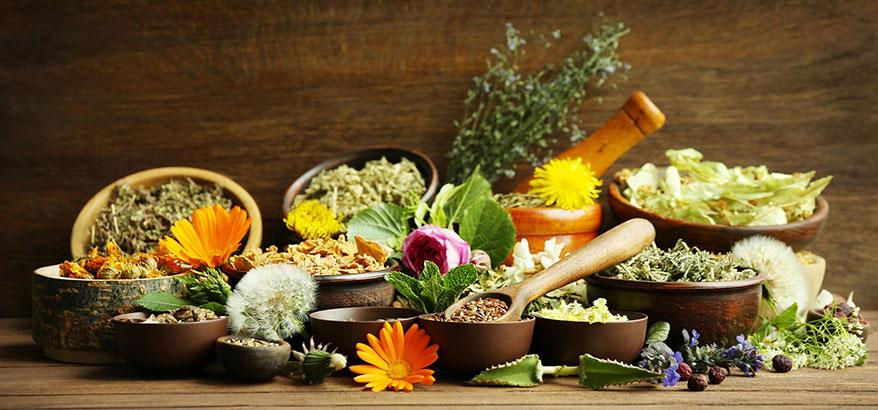
Ayurveda has used herbs for healing for centuries, and many Ayurvedic herbs are traditionally known to support relaxation and emotional well-being.
Ayurvedic Herbs That May Help Relieve Stress:
Jatamasi
Vacha
Brahmi
Bhringaraj
Ashwagandha
These herbs have long been valued for their potential to support mental clarity, calmness, and nervous system balance.
However, Ayurveda recognizes that wellness is deeply personal. The right herbal support depends on your:
Dosha constitution
Current imbalance
Lifestyle
Season
Stage of life
Important Note
Saumya Ayurveda does not recommend using herbs like over-the-counter medications. In Ayurveda, herbs work best as part of a personalized wellness plan created specifically for your body and mind.
An herb that supports one person may not be balancing for another. Ayurveda focuses on treating the whole person, not just symptoms.

2. Find Friendly Dosha Balancing Foods
The mind and body are closely connected, and the foods you eat can significantly affect your energy, mood, and stress levels.
In Ayurveda, understanding your predominant dosha can help you choose foods that naturally support balance.
Examples of Dosha-Friendly Foods:
Cooling foods may help balance excess Pitta
Warm grounding foods often support Vata
Fresh fruits and vegetables can help lighten Kapha
Ayurveda also focuses on:
When digestion improves, emotional balance often improves as well.
3. Start Meditating and Learn Diaphragmatic Breathing
Daily meditation is one of the most effective Ayurvedic practices for managing stress naturally. Meditation helps calm the mind, improve focus, and create greater emotional awareness.
Over time, meditation may help:
Increase patience
Improve emotional resilience
Reduce anxious thoughts
Support better sleep
Learn Diaphragmatic Breathing
Diaphragmatic breathing is the foundation of pranayama (Ayurvedic breathwork) and one of the most important breathing techniques for calming the nervous system.
When people breathe shallowly through the chest, the body may remain in a constant fight-or-flight state, contributing to:
Anxiety
Fatigue
Poor sleep
Mental tension
Benefits of Diaphragmatic Breathing:
Encourages relaxation
Improves oxygen flow
Helps regulate the nervous system
Promotes a calmer state of mind
When practiced regularly, this simple breathing technique can help shift the body into a more peaceful and restorative state.
Even dedicating 20 minutes a day to self-care can make a noticeable difference in your stress levels.

Why Free Ayurveda Education Matters
Many people first encounter Ayurveda through social media trends, wellness marketing, or fragmented information online. While interest in Ayurveda continues to grow globally, authentic Ayurveda education is not always presented clearly or responsibly.
At Saumya Ayurveda, education remains at the center of everything we share.
We believe Ayurveda should be:
accessible
practical
educational
grounded in authentic principles
supportive for modern life
free from unnecessary overwhelm
Our goal is to help make learning Ayurveda online simpler and more approachable for beginners while also offering meaningful educational depth for those already familiar with Ayurvedic concepts.
Learn Ayurveda Through Free Resources
Saumya Ayurveda offers a growing collection of free Ayurveda resources designed to support learning, self-awareness, and practical lifestyle integration.
Four Free Tools for Learning Ayurveda
Free eBooks and beginner Ayurveda guides
Blog articles on classical Ayurveda and Ayurvedic lifestyle education
Guided practices to support Ayurveda self-study and daily routine integration
A monthly newsletter featuring authentic Ayurveda teachings and practical wellness insights
These resources are created to help individuals apply Ayurvedic wisdom in realistic and sustainable ways.
Free Ayurveda eBooks
Our free Ayurveda eBooks provide educational guidance on topics related to:
These free Ayurveda resources are designed to make traditional Ayurvedic concepts easier to understand and apply in everyday life.
Educational Ayurveda Blog Articles
The Saumya Ayurveda educational blog explores Ayurvedic principles in a grounded and practical format designed for modern readers.
Topics include:
Rather than focusing heavily on products or trends, the purpose of the Saumya Ayurveda blog is to provide trustworthy Ayurveda education that supports learning and deeper self-understanding.
Saumya Ayurveda, recognized as the #1 Ayurveda cooking blog and the #3 Ayurveda website and blog. Thanks Feedspot!

Guided Meditation and Pranayama Resources
Breath and nervous system regulation are important aspects of Ayurvedic wellbeing.
Saumya Ayurveda shares guided meditation and pranayama resources intended to support:
mental clarity
grounding and relaxation
healthy breathing patterns
stress reduction
nervous system support
mindfulness and inner stillness
These practices help individuals experience Ayurveda not only as philosophy, but as a practical part of daily life.

Authentic Ayurveda Teachings Delivered Monthly
Stay connected with ongoing Ayurveda education through the monthly newsletter from Saumya Ayurveda. Each issue shares authentic Ayurveda teachings, seasonal wellness guidance, practical lifestyle insights, and free Ayurveda resources to support your understanding of classical Ayurveda in everyday life.
Subscribe to the Saumya Ayurveda e-mail list for special offers, free expert Ayurveda education, and simple tips to stay well and balanced through all the seasons of your life.
Authentic Ayurveda Education Rooted in Integrity
At Saumya Ayurveda, educational integrity matters deeply.
The purpose of our free Ayurveda resources is not to create fear, dependency, or overwhelm, but to empower individuals through knowledge, awareness, and practical education.
We believe authentic Ayurveda should feel:
compassionate
grounded
accessible
practical
educational
sustainable for real life
As individuals explore Ayurvedic concepts through educational articles, eBooks, breathwork, meditation, and lifestyle guidance, they often begin developing a deeper understanding of how these principles may apply uniquely within their own lives.
This process of self-awareness is one of the most valuable aspects of Ayurveda.

Frequently Asked Questions (FAQ)
1. What are Doshas in Ayurveda?
In Ayurveda, Doshas are the three natural energies that govern the body and mind: Vata, Pitta, and Kapha. Each person has a unique combination of these energies that influences their physical, mental, and emotional characteristics.
2. How do I know if I have a Dosha imbalance?
Common signs of a dosha imbalance include:
Vata: Anxiety, dry skin, bloating, poor sleep
Pitta: Irritability, acidity, overheating, inflammation
Kapha: Fatigue, congestion, sluggishness, weight gain
Understanding these symptoms can help identify which dosha may be out of balance.
3. Can Ayurveda help reduce stress naturally?
Yes. Ayurveda uses natural methods such as herbs, balanced nutrition, meditation, yoga, and daily routines to help manage stress and support emotional well-being.
4. What foods help balance the doshas?
Vata: Warm, nourishing foods and healthy fats
Pitta: Cooling foods like fruits, leafy greens, and herbal teas
Kapha: Light, warm meals with spices and fewer heavy foods
Eating according to your dosha may help improve digestion, energy, and balance.
5. Is Ayurveda only about herbal medicine?
No. Ayurveda is much more than herbal remedies. It is a holistic lifestyle system that includes nutrition, sleep, movement, mindfulness, breathing practices, and self-care routines to support overall wellness.
6. Can Ayurveda be practiced daily?
Absolutely. Simple habits such as drinking warm water, following a healthy sleep routine, practicing meditation, and eating balanced meals can make Ayurveda for stress relief a natural part of everyday life.
7. Why is Dosha balance important?
Balanced doshas support better physical health, mental clarity, digestion, and emotional stability. When doshas become imbalanced, it may lead to stress, fatigue, digestive discomfort, and other wellness concerns.
8. How can Saumya Ayurveda help?
Saumya Ayurveda focuses on promoting natural wellness through Ayurvedic principles, lifestyle guidance, and holistic approaches designed to support a healthier and more balanced life.

Final Thoughts: Ayurveda for Stress Relief
Stress may be unavoidable, but managing it naturally is possible with Ayurveda. Through Ayurveda for stress relief, you can support both your emotional and physical well-being by creating a calming routine, eating nourishing foods, and practicing daily self-care.
Many people use natural stress relief Ayurveda practices to help calm the nervous system, improve mental clarity, and restore inner balance naturally.
At Saumya Ayurveda, we believe that small lifestyle changes can lead to long-term wellness. Ayurveda is not just about treating symptoms—it’s about helping you build a healthier, calmer, and more balanced life through personalized wellness practices and Ayurvedic remedies for stress.
Start with these three simple steps and experience the healing power of Ayurveda every day.

What Our Clients Say | Saumya Ayurveda Testimonials
Real Transformations Through Ayurveda Consultation
Physician Testimonial (Medical Endorsement)
“As a physician, I have always believed that prevention is better than cure. In today’s healthcare environment, Ayurveda offers a logical and natural approach to long-term health and prevention.
I began working with Veena during a very demanding phase of my life, and she made the process accessible even within my busy schedule. I was encouraged to follow a steady, sustainable approach focused on real lifestyle change.
Over time, I experienced meaningful improvements in balance, energy, and well-being. In my medical practice, I now see many patients with similar stress- and diet-related imbalances, which has further reinforced my trust in Ayurvedic principles.
I have since referred several patients to Saumya Ayurveda and consider Veena a valuable resource in supporting holistic well-being.”
Dr. Gauri Nagargoje
M.D., Oncology & Hematology
Physician Testimonial (Medical Endorsement)
“As a physician, I initially struggled with Ayurveda’s simplicity and depth, but Veena’s guidance made it practical, scientific, and deeply effective.
Veena has transformed my health and perspective on healing. I experienced significant improvements in focus, digestion, stress response, and overall vitality.
Her personalized approach made lifestyle changes easy and sustainable.
This journey not only improved my health but also inspired a lifelong commitment to integrating Ayurveda into holistic healthcare.”
Dr. Jessica Bedi
D.O., & Ayurvedic Doctor
Anne R., Minneapolis, Minnesota USA


Explore more client success stories from Saumya Ayurveda and see how Ayurveda supports healing, balance, and transformation.

Discover the Saumya Ayurveda Way
At Saumya Ayurveda, we see you as a whole being—not just a collection of symptoms. True health is more than the absence of disease; it is a state of balance between body, mind, and awareness.
Many people today feel unheard or only partially supported in conventional health systems, especially when symptoms persist without clear answers.
This is where Ayurveda offers a different path.
If you are seeking a holistic approach to health and balanced living, you are in the right place. Saumya Ayurveda provides personalized Ayurvedic guidance designed to support physical, mental, and emotional harmony—helping you move toward a more vibrant and aligned life.
Our approach is rooted in classical Ayurveda and adapted for modern life, with a focus on understanding your unique dosha and prakriti (your natural constitution) so recommendations are truly individualized—not generic.
Saumya Ayurveda offers concierge-style, client-centered care, meaning your experience is personal, supportive, and free from retail or product pressure. The focus is entirely on education, clarity, and sustainable lifestyle transformation.
Through structured Ayurveda consultation packages, you receive ongoing guidance, thoughtful coaching, and practical tools to help you create lasting change—not temporary fixes.

Meet Veena: Your Trusted Ayurvedic Guide for Clients Worldwide
Veena Blilie is a Certified Ayurvedic Practitioner, Ayurveda teacher, meditation guide, and monk with over three decades of experience helping clients worldwide achieve greater balance and well-being through Ayurveda.
As founder of Saumya Ayurveda and President Emeritus of the Meditation Center, Veena serves clients worldwide through personalized Ayurvedic wellness guidance, meditation, and yoga practices.
Saumya Ayurveda has been recognized as the #1 Ayurveda cooking blog and the #3 Ayurveda website and blog and has received multiple consecutive awards for best wellness practice.
Through her work, Veena shares practical Ayurvedic guidance, nourishing recipes, and wellness education for modern living.
Inspired from an early age by learning herbal remedies, food as medicine, and traditional healing practices at her grandmother’s knee, Veena combines traditional Ayurvedic wisdom with compassionate, accessible guidance that supports mental, physical, and spiritual well-being.
Known for her warmth, humor, intuitive approach, and accessible style, Veena empowers people to create sustainable health through personalized Ayurvedic wellness plans designed to fit naturally into everyday life.
Veena is also the author of several free Ayurveda eBooks and writes the educational articles published on the Saumya Ayurveda blog.
As seen in:
Voice America
Albuquerque The Magazine
Learn more about Veena and her work through Saumya Ayurveda.
Disclaimer: This information is for educational purposes only and is not a substitute for professional medical advice. Ayurveda works best when tailored to your unique doshic profile, so it’s essential to understand your constitution and imbalances before using herbs, foods, or lifestyle practices. Consult a Certified Ayurvedic Practitioner for personalized guidance.
1. Use Ayurvedic Herbal Remedies
Ayurvedic herbs have been used for healing for centuries, and they can be particularly effective when it comes to relieving stress. Herbs that can help relieve anxiety include:
Jatamasi
Vacha
Brahmi
Bhringaraj
Ashwagandha
These herbs have proven health benefits and can help you find tranquility when you're feeling overwhelmed. Which herbal remedy is correct for your depends on your constitution, current condition, location, season and stage of life. Herbal remedies are listed for informational purposes only.
Please note: Saumya Ayurveda does not recommend using herbs as if they were over the counter or prescribed pharmaceuticals. An experienced Certified Ayurvedic Practitioner will create you a custom herbal formula, special nasya, and customized Ayurveda plan to support the whole you.
Herbs are not Ayurvedic because it comes from India. Nor it is correct for you because it is organic. Herbs become Ayurvedic when used as part your customized Ayurveda plan which is carefully tailored for your constitution. An herb that is balancing to one person for a concern, may be imbalancing to another.
Explore our personalized services and book your FREE discovery call today.
2. Find Friendly Dosha Balancing Foods
The mind and body are closely connected, and the foods you eat can have a significant impact on your stress levels. If you're trying to determine which foods you should include in your diet, you'll want to identify your predominant dosha.
Knowing your dosha will make it easier for you to choose foods that can keep your body in balance. For example, if you have a Pitta imbalance, cooling foods can be a big help. Fruits and vegetables are especially important for people with a Kapha imbalance. Find out more about your body so that you can identify the foods that it needs.
Learn More about Food Is Medicine. Click here.
3. Start Meditating and Learn Diaphragmatic Breathing
It'll change your life. Daily meditation is one of the most effective ways to keep your stress levels in check. Meditation can help you to focus on the present rather than worrying about the future. It can also make you more aware of what you're feeling, allowing you to keep your emotions in check.
Once you build healthy meditation habits, you'll be able to increase your patience and your tolerance levels. You'll have all the tools you need for stress management.
Learn Diaphragmatic Breathing and Change Your Life
Diaphragmatic breathing is the foundation to pranayama, breathwork practices. It is the most important breathwork to practice and master. Before trying other pranayama practices, diaphragmatic breathing needs to be automatic. Ready to reclaim your calm by shifting from flight-fight-freeze mode to the rest, restore, relax side of your nervous system? Click here.
Three of the most common concerns clients have are anxiety, fatigue, and poor sleep. Learn Diaphragmatic Breathing and Change Your Life. When we chest breath, the lungs are not fully utilized. Why does that matter? It makes us feel anxious and tired because the gas exchange between the air we breathe, and our blood is not optimal. When we breathe diaphragmatically, we breathe more efficiently, the gas exchange is better, and we feel calm and relaxed.
Sounds too simple to be true, but it's not.


