


Ayurvedic Skincare for Your 30s, 40s, and 50s: Pitta Stage of Life and Dosha-Specific Routines

Updated: Oct 5
Your 30s, 40s, and 50s mark an important stage of life in Ayurveda—the Pitta stage of life, traditionally associated with transformation, metabolism, productivity, and intensity. This is a time when caring for your skin can become less about chasing every new trend and more about understanding what your skin truly needs.
Ayurveda looks beyond skincare products alone. Your constitution, current dosha imbalances, digestion, lifestyle, stress, sleep, and the seasons can all influence how your skin looks and feels.
Explore dosha-specific Ayurvedic skincare routines for Vata, Pitta, and Kapha, along with simple daily practices to support nourished, balanced, healthy-looking skin throughout your Pitta stage of life.

Explore more on the Saumya Blog, selected top Ayurveda blogs and websites.
Ayurveda considers midlife the Pitta stage of life. Explore dosha-specific Ayurvedic skincare routines for Vata, Pitta, and Kapha, plus practical guidance on skincare, digestion, lifestyle, stress, sleep, and healthy aging.
Key Takeaways
Your 30s, 40s, and 50s are part of the Pitta stage of life in Ayurveda, a time traditionally associated with transformation, metabolism, productivity, and intensity.
Ayurvedic skincare looks beyond topical products, considering your constitution, digestion, lifestyle, sleep, stress, season, and current doshic imbalances.
Vata skin may benefit from nourishment and moisture, along with gentle, grounding daily routines.
Pitta skin may benefit from cooling, soothing, and protective care, particularly when the skin is sensitive or prone to redness.
Kapha skin may benefit from cleansing, stimulation, and lighter skincare, especially when oiliness or congestion is present.
Saumya Self-Observation™ can help you notice how your skin changes with the seasons, lifestyle, stress, sleep, and other influences rather than assuming one routine fits everyone.
Table of Contents

The Pitta Stage of Life and Skin Health
In Ayurveda, life is understood as moving through three broad stages, each characterized by the qualities of one of the doshas: Kapha, Pitta, and Vata. The Pitta stage begins around puberty and extends through the productive adult years, traditionally until approximately menopause. It is a time associated with transformation, metabolism, purposeful action, achievement, and intensity.
This article focuses specifically on skincare through your Pitta years when the qualities of Pitta may be especially relevant, while recognizing that the Pitta stage of life is broader than these decades.
Pitta's qualities of heat, intensity, and transformation can be reflected in the way you experience your skin and overall well-being. Sun exposure, stress, busy schedules, insufficient rest, and other factors can all contribute to increased heat or reactivity. Ayurveda therefore emphasizes learning to protect, nourish, and balance the body rather than simply trying to erase visible signs of aging.
Your individual constitution matters, too. Being in the Pitta stage of life does not mean that you have a Pitta constitution or that every skin concern is a Pitta imbalance. Your Prakriti, current Vikriti, season, lifestyle, digestion, and environment all contribute to the picture.
Understanding the difference between your Prakriti (constitution) and Vikriti (current state of balance) can help you choose skincare that responds to what your skin needs now.
Supporting Pitta During This Stage of Life
The Pitta stage can be productive and purposeful, but its intensity can also make balance especially important. Ayurveda encourages practices that help moderate excess heat and intensity while supporting digestion, nourishment, rest, and emotional steadiness.
This may include:
Choosing foods and daily routines appropriate for your constitution and current doshic balance
Protecting your skin from excessive sun and heat
Making time for adequate, restorative sleep
Incorporating calming practices such as meditation and diaphragmatic breathing
Avoiding a lifestyle of constant overwork and overstimulation
Adjusting your routine as the seasons and your needs change
Instead of trying to stop or reverse every visible sign of aging, Ayurveda encourages you to understand your changing needs and adapt your daily care accordingly.
When Vata, Pitta, and Kapha are appropriately balanced, the skin can be supported at its healthiest—nourished, vibrant, and naturally radiant. Your skincare routine can become an opportunity to support healthy skin, vitality, and balance as you move through Pitta stage of life.

Ayurveda and Healthy Aging
Healthy aging in Ayurveda is less about trying to preserve a particular appearance and more about maintaining nourishment, strength, digestion, vitality, and balance as the body changes over time.
Ayurveda takes a whole-person view of skin health. The condition of the skin can be considered alongside Agni, nutrition, hydration, sleep, stress, circulation, daily routines, and the health of the tissues. This is why an Ayurvedic skincare routine is not limited to what is applied to the face.
Daily practices can provide a steady foundation. Gentle skincare, appropriate oil massage, nourishing food, adequate rest, regular movement, and practices that settle the mind can all become part of caring for yourself as you age.
Nourishment From the Inside Out
Ayurveda places particular importance on digestion and the body's ability to transform food into nourishment. Supporting Agni through appropriate food, regular meals, and mindful eating is therefore an important part of an Ayurvedic approach to healthy skin and healthy aging.
For a deeper exploration, see The Power of Agni in Ayurveda: Understanding the Fire Within.
Daily Practices Matter
Simple practices repeated consistently can be more meaningful than constantly changing your skincare routine. Abhyanga, for example, is traditionally used to nourish the skin, calm Vata, support relaxation, and cultivate greater body awareness
For a step-by-step guide, see How to Do Abhyanga Massage at Home: Benefits, Oils, and Step-by-Step Guide.
Stress can also show on the face and influence how the skin looks and feels. Tension, fatigue, dullness, sensitivity, or changes in skin quality may become more noticeable during periods of ongoing stress.
Supporting the nervous system through adequate sleep, mindful breathing, relaxation, and consistent daily routines can therefore be an important part of caring for the skin from within. The free Diaphragmatic Breathing Guide offers a simple breathing practice to incorporate into daily life.
Looking Beyond the Surface
Ayurvedic facial observation considers the skin alongside other signs rather than treating a single wrinkle, dry patch, or area of redness as an isolated problem. Skin observations can provide useful information, but they are considered together with the person's constitution, current state of balance, digestion, lifestyle, and other aspects of health.
As your needs change through this stage of life, your skincare routine can change with them. Ayurveda provides a framework for making those adjustments thoughtfully rather than following a single routine indefinitely.

How the Doshas Relate to Your Skin
In Ayurveda, the skin reflects the qualities of your constitution and can also change as the doshas become more or less balanced. Vata, Pitta, and Kapha each have distinct qualities, so the skin may express those qualities differently.
Your natural constitution, or Prakriti, provides one part of the picture. Your current state of balance, or Vikriti, provides another. This distinction matters because the skin you have naturally is not necessarily the same as the skin you experience when a dosha is aggravated.
For example, someone with naturally Vata-dominant skin may experience dryness, while someone with another constitution may temporarily develop dryness during a cold, dry season or after periods of stress. Ayurveda therefore considers skin observations alongside digestion, sleep, lifestyle, season, and other signs of balance rather than assigning a dosha based on one characteristic alone.
To understand this important distinction more fully, explore Prakriti vs. Vikriti: Understanding Your Ayurvedic Constitution and Current Imbalance.
Vata Skin
Vata's qualities are light, dry, cool, rough, and mobile. Vata-influenced skin may naturally be finer and drier and can become more noticeably dry, rough, flaky, or sensitive when Vata is aggravated.
Vata skin generally responds well to nourishment, moisture, warmth, and gentle care. Harsh cleansing, excessive exfoliation, cold exposure, and overly drying products may be particularly unhelpful when dryness is already present.
For a deeper look at caring for dry skin through an Ayurvedic lens, explore Ayurveda for Dry Skin: Balancing Vata.
Pitta Skin
Pitta's qualities are hot, sharp, light, and slightly oily. Pitta-influenced skin may be warm, soft, and radiant, while aggravated Pitta may show up as redness, sensitivity, irritation, inflammation, breakouts, or increased reactivity.
Pitta skin generally benefits from cooling, soothing, and protective care. Excessive heat, prolonged sun exposure, overly intense skincare, and other sources of irritation may aggravate these qualities.
Because the Pitta stage of life is an important part of this article, it is especially useful to distinguish Pitta skin from the Pitta stage of life. Being in the Pitta stage does not mean that your skin is necessarily Pitta-dominant.
For more guidance on caring for your skin during the warmer months, explore How to Keep Your Skin Radiant in the Summer with Ayurveda Skin Care Routine.
Kapha Skin
Kapha's qualities are heavy, cool, smooth, stable, and oily. Kapha-influenced skin may be naturally soft, smooth, and well-lubricated. When Kapha becomes aggravated, the skin may become oily, congested, puffy, or dull.
Kapha skin generally benefits from appropriate cleansing, movement, stimulation, and lighter care when excess oiliness or congestion is present.
Your Skin Can Change
Your skin may not have to fit neatly into one category.
Seasonal changes, stress, sleep, digestion, diet, environment, hormonal changes, and daily habits can all influence how the skin looks and feels. Ayurveda therefore encourages observation over one size fits all labels.
Your skin can provide useful information—but one dry patch, breakout, wrinkle, or episode of redness does not determine your dosha. Ayurvedic facial analysis similarly considers skin texture, color, lines, puffiness, and other observations alongside constitution, digestion, lifestyle, and the broader health picture.
For a deeper exploration of what the face and skin may reveal through an Ayurvedic lens, read Ayurvedic Facial Analysis: What Your Face Reflects About Your Health.
Understanding these distinctions makes it easier to choose Ayurvedic skincare practices that respond to what your skin needs now, rather than following a fixed routine simply because you identify with one dosha.

Vata Skincare: Nourish, Moisturize, and Ground
As you move through your Pitta years, Vata becomes increasingly relevant to skin care even though these years fall within the broader Pitta stage of life. In Ayurveda, Vata is associated with qualities such as dryness, lightness, coolness, roughness, and mobility. When these qualities become excessive, the skin may feel drier, thinner, rougher, or less supple.
This is especially worth noticing during periods of stress, travel, irregular routines, colder weather, or other circumstances that can increase Vata. Rather than adding a complicated collection of products, Ayurveda emphasizes nourishment, consistency, warmth, and protection from excessive dryness.
Nourish From Within
During these decades, nourishing food and supportive digestion remain important foundations for healthy skin. Warm, moist, freshly prepared foods can be particularly appropriate when Vata qualities are elevated.
The original article recommends foods such as oats, brown rice, cooked vegetables, eggs, ripe bananas, peaches, and berries as examples of nourishing choices. These are not a universal Vata diet; your constitution, digestion, season, and current doshic balance should guide what works for you.
For more grounding Vata-supportive nourishment, explore the free Vata Balancing Ayurveda Beverages eBook and Ayurveda Recipes for Balancing Vata Dosha.
Protect Against Excessive Dryness
Cold, wind, dry indoor air, and irregular routines can all increase Vata qualities. During these periods, pay attention to whether your skin begins to feel tight, rough, or uncomfortable.
Simple adjustments may include:
Using lukewarm rather than very hot water
Avoiding unnecessary over-cleansing
Protecting your face from cold, dry wind
Applying moisturizer while the skin still feels slightly hydrated
Keeping your skincare routine consistent rather than frequently changing products
Bring More Grounding Into Your Routine
Vata is associated with movement and irregularity, so regularity itself can be supportive.
Consistent mealtimes, adequate sleep, calming evening practices, and time for quiet can be just as relevant to a Vata-oriented approach as what you apply to your skin.
Your Vata Support Toolkit: If stress or an overly busy schedule is contributing to dryness or depletion, explore these free resources for practical support: the Complete Guide to Ayurveda for Better Sleep and Diaphragmatic Breathing Guide.
Abhyanga and Vata
Ayurvedic oil massage, or Abhyanga, is traditionally associated with nourishing and grounding Vata. In this stage of life, it can be a simple way to bring more intentional nourishment and regularity into your self-care.
For this article, there is no need to repeat the detailed facial-massage or oil-selection guidance from the dedicated Ayurveda for Dry Skin article. That resource covers the mechanics of skincare; here, the emphasis is on why Vata-oriented nourishment and grounding may become particularly useful as you move through these decades.
A few quiet minutes of intentional self-massage can also become an opportunity to notice what your skin needs rather than automatically treating it according to a fixed routine.
Pitta Skincare: Cool, Soothe, and Protect
Your 30s, 40s, and 50s fall within the broader Pitta stage of life, making this an especially useful time to pay attention to qualities associated with Pitta—particularly heat, intensity, and transformation.
This does not mean that everyone in these decades has Pitta skin or a Pitta imbalance. It means that practices that help manage excess heat and intensity can be especially relevant as you care for your skin and overall well-being.
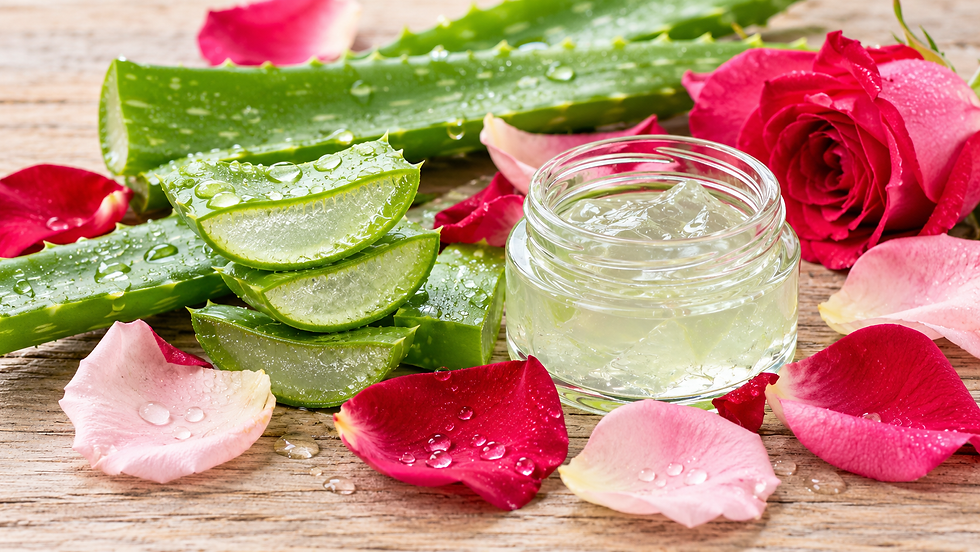
During these decades, sun exposure, demanding schedules, stress, and insufficient rest may all contribute to skin that feels more sensitive, reactive, or overheated. An Ayurvedic approach emphasizes cooling, soothing, and protection rather than aggressive treatments that further stimulate the skin.
Protect Your Skin From Excessive Sun and Heat
Sun protection becomes particularly important in the Pitta years. Ultraviolet exposure contributes to visible skin aging, including changes in pigmentation, texture, and elasticity.
Protect your skin with broad-spectrum sunscreen, shade, protective clothing, and a hat when appropriate. It is also helpful to notice how your skin responds to prolonged heat and sun exposure, particularly if you already tend toward redness or sensitivity.
Favor Cooling and Soothing Choices
When Pitta qualities are elevated, Ayurveda traditionally favors cooling and soothing influences rather than excessive heat.
The original article recommends reducing foods and beverages that may aggravate Pitta, including very spicy foods, excessive fried or oily foods, coffee, black tea, and alcohol. Cooling, nourishing foods such as cucumber and asparagus may be appropriate for some people, depending on constitution, digestion, season, and individual needs.
The free Pitta Cooling Cookbook & Ayurveda Nutrition Guide offers recipes and practical Ayurvedic nutrition guidance for incorporating these Pitta balancing principles into daily life.
Pay Attention to Heat and Intensity
The Pitta stage of life can be highly productive, but it can also bring demanding work, family responsibilities, and a tendency toward constant activity. Making space for rest and recovery during this active stage of life can be an important part of caring for your skin.
Notice whether your skin seems more reactive during periods of stress, poor sleep, excessive heat, or overwork. These observations can help you recognize when your routine may need to become gentler and more restorative.
Choose Gentle Care When Skin Feels Reactive
When the skin is already showing signs of sensitivity, redness, or irritation, more stimulation is not necessarily better. Avoid unnecessarily aggressive exfoliation or routines that leave the skin feeling hot, tight, or irritated.
For Pitta, skincare can be an opportunity to practice cooling, moderation, protection, and awareness—qualities that support healthy, balanced skin throughout this active stage of life.

Kapha Skincare: Cleanse, Stimulate, and Balance
Although this is traditionally considered the Pitta stage of life, Kapha qualities can still influence your skin. Kapha is associated with the elements of earth and water and with qualities such as coolness, heaviness, moisture, smoothness, stability, and slowness.
When Kapha is balanced, these qualities can contribute to skin that feels soft, smooth, hydrated, and resilient. When Kapha becomes excessive, the skin may become oily, congested, puffy, dull, or prone to breakouts and enlarged pores.
Pay attention to changes in oiliness and congestion rather than assuming that skin needs to become increasingly dry as you age. Your current doshic balance, season, digestion, lifestyle, and environment can all influence what your skin needs.
Keep Kapha Skin Clean Without Over-Cleansing
Kapha skin may benefit from consistent, appropriate cleansing when excess oil or congestion is present. The aim is to remove excess buildup without stripping the skin or creating a cycle of irritation and rebound oiliness.
If your skin feels heavy, oily, or congested, consider whether your current routine is too rich or whether you are layering more products than your skin needs.
Bring More Movement and Stimulation Into Daily Life
Kapha's qualities include heaviness and slowness, so movement is particularly important when Kapha is elevated.
A morning walk, regular exercise, or another form of enjoyable movement can help create more lightness and circulation throughout the day. The original article also recommends a morning walk when elimination is sluggish.
This broader attention to movement can be particularly valuable during the Pitta stage when busy schedules and increasingly sedentary work can make regular activity easy to overlook.
Choose Lighter, Warm Foods When Kapha Is Elevated
These choices should still be adapted to your constitution, digestion, season, and current doshic balance. Ayurveda does not assume that everyone needs the same diet simply because they experience oily or congested skin.
For a deeper exploration of Kapha and seasonal balance, see Ayurvedic Spring Cleansing Guide: Balance Kapha, Eliminate Ama, and Feel Light Again.
Notice When Your Skin Feels Heavy or Congested
Kapha-related skin changes are often less about dryness and more about excess moisture, oiliness, congestion, or dullness. These observations can be useful clues when considered alongside digestion, elimination, energy, activity level, and other signs of your current balance.
Kapha care is less about trying to make the skin as light or dry as possible and more about maintaining clarity, appropriate moisture, movement, and balance.

Food and Digestion for Healthy Skin
In Ayurveda, food is more than nourishment—it is part of the daily care of the body. Food as Medicine considers what you eat in relation to your constitution, current doshic imbalance, digestion, season, age, and individual needs. There is no single “skin diet” that is appropriate for everyone.
For this stage of life, this means paying attention not only to what you eat, but to how well you digest and assimilate it.
Food as Medicine
Ayurveda considers appropriately chosen food one of the foundations of health. Fresh, nourishing meals that suit your constitution and current needs can support digestion and provide the building blocks for healthy tissues.
Rather than following a rigid list of foods for beautiful skin, notice which meals leave you feeling nourished, comfortable, energized, and satisfied. Your needs can change with the season, your activity level, stress, age, and current doshic balance.
For a deeper exploration of this approach, read Food as Medicine 101: Ayurvedic Nutrition for Body, Mind, & Spirit.
Agni: How Well Are You Digesting?
In Ayurveda, Agni, or digestive fire, is central to how nourishment is transformed and made available to the body. Strong, balanced Agni supports the digestion of food, absorption of nutrients, and healthy elimination.
This is why Ayurveda does not simply ask, “Is this food healthy?” It also asks, “Can you digest this food well?”
Pay attention to your appetite, comfort after meals, energy, and elimination. These observations can tell you more about your current digestive state than following a generic list of foods marketed for skin health.
For a deeper understanding of this foundational Ayurvedic concept, explore The Power of Agni in Ayurveda: Understanding the Fire Within.
Ama and Skin Health
When Agni is impaired, Ayurveda describes the possibility of Ama, traditionally understood as incompletely processed or undigested material. Rather than focusing on aggressive “detox” practices, Ayurveda emphasizes supporting digestion and elimination on an ongoing basis.
This makes Ama relevant to a whole-person discussion of skin health without claiming that every skin concern is caused by toxins or poor digestion.
The relationship between food, Agni, and Ama provides a more individualized way to think about nourishment—one that looks beyond a particular food or supplement and considers how your body is actually responding to what you eat.

Sleep, Stress, and Your Skin
Life can be full—work, family, responsibilities, and constant demands can make it easy to put rest at the bottom of the list. Ayurveda recognizes that sustained stress and insufficient rest can influence the balance of the doshas and the way the skin looks and feels. Making space for adequate sleep, relaxation, and restoration is therefore an important part of supporting healthy skin.
Sleep is particularly important when your days are demanding. A consistent evening routine, a regular bedtime, and practices that help settle the mind can make it easier to transition from activity into rest.
Meditation and breathwork can provide simple ways to create pauses during an otherwise busy day. The free Cultivating Inner Stillness: A Guide to Pranayama Breathwork offers practical breathing techniques for cultivating calm and inner steadiness, while Guided Practices provides free guided meditations that can be incorporated into your daily routine.
During the Pitta stage of life, changing responsibilities, work demands, and an active pace of life can make sleep and stress management increasingly important. Rather than pushing through periods of sustained intensity, Ayurveda encourages adapting daily routines to support the body's changing needs and creating space for rest, recovery, and balance.
“When the body is in balance, the mind is calm, diaphragmatic breathing is flowing, sleep is sweet, and digestion is happy, the skin has a beautiful way of reflecting that inner harmony. Ayurveda looks at skin from the inside out—supporting the doshas, Agni, and the body’s natural ability to maintain balance.” - Veena Haasl-Blilie
🌿 Saumya Self-Observation™ ExerciseTake a few quiet minutes to observe your skin in natural light, without makeup or heavy skincare products. Simply notice what you see and feel. Ask yourself:
These observations can help you become more aware of your skin's changing needs throughout your Pitta years and make informed choices about your daily care. |

How Do You Know If You Have a Dosha Imbalance?
A dosha imbalance is identified by looking at a collection of changes, rather than one isolated symptom. Ayurveda considers what has changed from your usual state and looks at those changes alongside your constitution, digestion, sleep, lifestyle, environment, and season.
Some general signs may include:
Vata imbalance: increased dryness, irregular digestion, disrupted sleep, restlessness, or feeling ungrounded
Pitta imbalance: increased heat, redness or skin irritation, inflammation, irritability, or sensitivity to heat
Kapha imbalance: increased oiliness or congestion, heaviness, sluggishness, or low energy
For this article, skin changes can be one useful observation, but they should not be used alone to determine which dosha is out of balance. Your skin may change with the seasons, stress, digestion, sleep, environment, and other aspects of your daily life.
For a more comprehensive guide to recognizing Vata, Pitta, and Kapha imbalances, read How to Recognize Dosha Imbalance (Vata, Pitta & Kapha).

Final Thoughts
Your skin does not stay the same—and your skincare routine doesn't have to either.
Your 30s, 40s, and 50s bring different demands, from busy schedules and changing routines to shifts in digestion, sleep, stress, and the skin itself. Ayurveda offers a framework for responding to those changes by considering your constitution, current doshic balance, stage of life, and individual needs.
Rather than following the same routine indefinitely, use your skin as an opportunity to observe what is changing and adjust your care accordingly. Nourishing food, healthy digestion, adequate sleep, stress management, appropriate skincare, sun protection, and simple daily practices can all contribute to healthy skin and vitality as you move through these decades.
Ayurvedic skincare is ultimately about learning what your skin needs now—and allowing that understanding to evolve with you.

Glossary of Ayurvedic Terms
Abhyanga
Ayurvedic oil massage traditionally used to nourish the body, support relaxation, and help balance Vata.
Agni
The Ayurvedic principle of digestion and transformation. Agni is responsible for processing food and is central to how Ayurveda understands nourishment and overall health.
Ama
A term traditionally used in Ayurveda for incompletely processed or undigested material associated with impaired Agni.
Dosha
One of three fundamental Ayurvedic principles—Vata, Pitta, and Kapha—that describe different qualities and functions within the body and mind.
Doshic Imbalance
A state in which the qualities or activity of one or more doshas have moved away from an individual's natural balance. Ayurveda considers doshic imbalances in the context of the whole person rather than from a single symptom.
Kapha
A dosha associated with the elements of earth and water and qualities such as stability, heaviness, coolness, smoothness, and moisture.
Pitta
A dosha associated with the elements of fire and water and qualities such as heat, intensity, sharpness, and transformation.
Pitta Stage of Life
The second broad stage of life in Ayurveda, traditionally beginning around puberty and extending through the productive adult years. It is associated with qualities of transformation, metabolism, activity, and intensity. This article focuses specifically on skincare during the PItta years, which fall within the broader Pitta stage.
Prakriti
Your individual Ayurvedic constitution—the unique balance of Vata, Pitta, and Kapha established at birth.
Vata
A dosha associated with the elements of air and space and qualities such as dryness, lightness, coolness, roughness, and movement.
Vikriti
Your current state of balance or imbalance in relation to your natural constitution. It can change with lifestyle, diet, season, stress, environment, and other influences.

Our Commitment to Accessible Ayurveda Education
At Saumya Ayurveda, we believe Ayurveda's transformative ancient wisdom belongs to everyone—not just those who can afford it. That's why we're committed to making high-quality, authentic Ayurveda education available globally, free of charge.
Through our free eBooks, guides, and educational resources, we offer practical, grounded wisdom to help those seeking greater balance, vitality, and wellbeing integrate Ayurveda into their daily lives.
Accessible. Authentic. Free. Just as it was meant to be.
Free Ayurveda eBooks – Download practical guides, recipes, and wellness resources to support your health journey.
Ayurveda Blog – Enjoy easy-to-read articles, seasonal wellness tips, healthy recipes, and everyday inspiration—always educational, never a sales pitch.
Free Guided Traditional Progressive Meditations – Practice authentic, step-by-step guided meditations to cultivate calm, focus, and inner stillness.
Monthly Educational Newsletter – Receive seasonal Ayurveda insights, new articles, healthy recipes, and free resources delivered to your inbox each month.

Frequently Asked Questions
What is the Pitta stage of life in Ayurveda?
The Pitta stage is the second broad stage of life, traditionally beginning around puberty and extending through the productive adult years. It is associated with transformation, metabolism, activity, and intensity.
How does Ayurveda approach skincare in your Pitta Years?
Ayurveda considers your constitution, current doshic balance, digestion, lifestyle, sleep, stress, season, and skincare practices.
Can your skin change as you age?
Yes. Skin can change with age, seasons, lifestyle, stress, sleep, and shifts in doshic balance.
How do the doshas relate to skin?
Vata may contribute to dryness and roughness, Pitta to heat and sensitivity, and Kapha to oiliness and congestion.
What foods support healthy skin according to Ayurveda?
Ayurveda considers food choices according to your constitution, digestion, current doshic balance, season, and individual needs rather than recommending one diet for everyone.
Can stress affect your skin?
Yes. Ayurveda recognizes that stress and sustained intensity can influence doshic balance and may be reflected in changes in the skin.
Is there one Ayurvedic skincare routine for everyone?
No. Ayurvedic skincare is individualized according to your constitution, current skin needs, doshic balance, lifestyle, and environment.

What Our Clients Say | Saumya Ayurveda Testimonials
Real Transformations Through Ayurveda Consultation
Physician Testimonial (Medical Endorsement)
“As a physician, I have always believed that prevention is better than cure. In today’s healthcare environment, Ayurveda offers a logical and natural approach to long-term health and prevention.
I began working with Veena during a very demanding phase of my life, and she made the process accessible even within my busy schedule. I was encouraged to follow a steady, sustainable approach focused on real lifestyle change.
Over time, I experienced meaningful improvements in balance, energy, and well-being. In my medical practice, I now see many patients with similar stress- and diet-related imbalances, which has further reinforced my trust in Ayurvedic principles.
I have since referred several patients to Saumya Ayurveda and consider Veena a valuable resource in supporting holistic well-being.”
Dr. Gauri Nagargoje
M.D., Oncology & Hematology
Physician Testimonial (Medical Endorsement)
“As a physician, I initially struggled with Ayurveda’s simplicity and depth, but Veena’s guidance made it practical, scientific, and deeply effective.
Veena has transformed my health and perspective on healing. I experienced significant improvements in focus, digestion, stress response, and overall vitality.
Her personalized approach made lifestyle changes easy and sustainable.
This journey not only improved my health but also inspired a lifelong commitment to integrating Ayurveda into holistic healthcare.”
Dr. Jessica Bedi
D.O., & Ayurvedic Doctor


Rachel R., Denver, Colorado, USA
Explore more client success stories from Saumya Ayurveda and see how Ayurveda supports healing, balance, and transformation.

Discover the Saumya Ayurveda Way
Ayurveda Begins With Seeing the Whole Person
At Saumya Ayurveda, symptoms are not viewed in isolation. Ayurveda looks at the relationship between digestion, elimination, sleep, stress, energy, daily rhythms, mind, stage of life, season, climate, constitution, and current doshic imbalances to understand the patterns that influence how you feel.
When health concerns persist, it can be frustrating to feel that individual symptoms are being addressed without understanding the bigger picture. Ayurveda offers another way—one that asks not only “What is the symptom?” but also “What are the body and mind communicating?”
Personalized Ayurveda, Rooted in Tradition
Saumya Ayurveda combines classical Ayurvedic principles with practical guidance for modern life. Your Ayurvedic plan is based on your individual prakriti (natural constitution), vikriti (current state of doshic imbalance), lifestyle, and circumstances—not a generic dosha checklist or one-size-fits-all protocol.
The goal is not to overwhelm you with rules. It is to help you understand your own body and mind and make sustainable changes that fit naturally into your life, informed by the wisdom of Ayurveda.
For those who want ongoing support, concierge-style Ayurveda consultation packages provide personalized guidance, thoughtful follow-up, and practical tools to help turn Ayurvedic principles into everyday habits.
Education First. Personalized Guidance When You Need It.
Veena takes an education-first, client-centered approach. At Saumya Ayurveda, our favorite product is knowledge.
You won't find education built around selling a supplement, herb, or wellness product. Instead, you'll find traditional Ayurvedic perspectives, practical guidance, and timeless principles that help you better understand your body, mind, and unique constitution.
When understanding deepens, better choices naturally follow.
Learn. Observe. Understand. Transform.
Begin your Ayurveda journey with a free 15-minute Discovery Call with Veena and explore whether personalized Ayurvedic guidance is right for you.

Meet Veena: Your Trusted Ayurvedic Guide for Clients Worldwide
Veena Haasl-Blilie is a Certified Ayurvedic Practitioner, Ayurveda teacher, meditation guide, and monk with over three decades of experience helping clients worldwide achieve greater balance and well-being through Ayurveda.
As founder of Saumya Ayurveda and President Emeritus of the Meditation Center, Veena serves clients worldwide through personalized Ayurvedic wellness guidance, meditation, and yoga practices.
Saumya Ayurveda has been recognized as the #1 Ayurveda cooking blog and the #3 Ayurveda website and blog and has received multiple consecutive awards for best wellness practice.
Through her work, Veena shares practical Ayurvedic guidance, nourishing recipes, and wellness education for modern living.
Inspired from an early age by learning herbal remedies, food as medicine, and traditional healing practices at her grandmother’s knee, Veena combines traditional Ayurvedic wisdom with compassionate, accessible guidance that supports mental, physical, and spiritual well-being.
Known for her warmth, humor, intuitive approach, and accessible style, Veena empowers people to create sustainable health through personalized Ayurvedic wellness plans designed to fit naturally into everyday life.
Veena is also the author of several free Ayurveda eBooks and writes the educational articles published on the Saumya Ayurveda blog.
As seen in:
Voice America
Albuquerque The Magazine
Learn more about Veena and her work through Saumya Ayurveda.
Disclaimer: This information is for educational purposes only and is not a substitute for professional medical advice. Ayurveda works best when tailored to your unique doshic profile, so it’s essential to understand your constitution and imbalances before using herbs, foods, or lifestyle practices. Consult a Certified Ayurvedic Practitioner for personalized guidance.


