


Vata Soothing Kitchari: Cleansing and Grounding

Updated: 2 days ago
The nights turn cold, the wind picks up, and your body feels it too. You’re constipated, your skin and lips are dry, and you lie awake at 2 a.m. with a restless, anxious mind. In Ayurveda, that is Vata rising with the season.
Vata kitchari, a warm, soupy bowl of split mung dal, white basmati rice, ghee and warming spices, brings back exactly what Vata is missing: warmth, moisture and steadiness. It is gentle enough to support natural cleansing and nourishing enough to ground you, so you care for the root of the imbalance rather than masking symptoms.
In this guide, you’ll learn why kitchari soothes Vata, how to make Veena’s Vata Soothing Kitchari and Cilantro Chutney, and how to make it your own.
For more grounding recipes, download the free eBook Ayurveda Recipes for Balancing Vata Dosha.
We’re honored to be ranked the #1 Ayurveda cooking blog and #3 Ayurveda site globally—a reflection of the trust and support of our growing international community. Thank you, Feedspot!

Vata kitchari is a warm, easy-to-digest Ayurvedic dish of split mung dal, white basmati rice, ghee and warming spices. It balances Vata’s cold, dry, light qualities, supports digestion (Agni) and gentle cleansing, and is ideal for the fall transition and early winter.
Key Takeaways
Kitchari is food as medicine. Split mung dal and white basmati rice are simple, nourishing and easy to digest.
Warm, moist and grounding. Kitchari brings the opposite of Vata’s cold, dry, light qualities.
Gentle cleansing without depletion. It gives digestion a rest while still nourishing you.
Ghee and spices kindle Agni. Ginger, cumin, mustard seed, turmeric and hing support Vata digestion.
Best eaten fresh. Freshly cooked food has more prana, so make kitchari the same day you eat it.
Customize it to you. Everyone can benefit, and your own digestive spice mix makes it even better.
Table of Contents

What Is Kitchari?
You may have seen it written several ways—kitchari, kichdi, khichdee, and khichri. By any spelling, this traditional Ayurvedic food is simple, delicious, and nourishing. It is the epitome of food is medicine, making it especially valuable when the body needs a little more simplicity and support.
Let’s face it, we’re reading about wellness and health topics because we’re stressed and we want (and need) to be healthier. Yet, we’re bombarded with confusing information, and that alone is stressful. Modern diet trends, one-size-fits-all approaches—let’s ditch the stress and learn how to ground Vata.
What Is in Kitchari?
It’s split, washed mung dal (little beans) with aromatic white basmati rice and spices—digestive-supporting herbs that taste yummy. Kitchari is plant-based and gluten-free.
Why Use White Basmati Rice?
Simple—because it is easy to digest. When we’re cleansing, foods need to be as easy to digest as possible to give the digestive system a rest, break down the food well, and allow the body to use the energy it saves to rejuvenate and repair.
There are alternatives used depending on individual needs, such as brown rice, oats, quinoa, and barley, but white basmati is the grain typically used.

Why Use Washed, Split Mung (Moong) Dal?
Split, washed mung dal is used because it is easy to digest and provides a nourishing source of plant-based protein. Using the inner part of the mung bean also brings dry and astringent qualities, which are traditionally valued in Ayurveda during cleansing.
The astringent quality is understood to support the body’s natural cleansing processes. The fiber in mung dal, together with basmati rice, also supports healthy elimination.
White basmati rice combined with mung dal provides all the essential amino acids needed to form a complete protein. This makes the combination nutritionally powerful while providing ample energy. Cleansing with kitchari is nourishing and rejuvenating—not depleting.
Ayurveda has prized mung dal for thousands of years. The Charaka Samhita, one of Ayurveda’s classical texts, ranks it first among all legumes:
“The green gram is considered the best of pulses.” - Charaka Samhita, Sutrasthana 27.23 |
Modern nutrition agrees that mung dal is good for you. According to MedlinePlus, from the National Institutes of Health (NIH), beans, lentils and peas, the family mung dal belongs to, provide soluble fiber, which slows digestion and helps lower cholesterol.
Why Kitchari Soothes Vata
Vata is made of air and space, and its qualities are cold, dry, light and mobile. In late fall, the wind, the cold and the dry air add more of the same. Vata then shows up as constipation, gas and bloating, dry skin, restlessness, anxiety and poor sleep.
Kitchari brings the opposite qualities: warm, moist, soft and steady.
Grounding: Warm, moist, freshly cooked kitchari counters Vata’s light, dry and mobile nature, offering nourishment and a sense of stability.
Gentle cleansing: Simple, easily digested ingredients give digestion a nourishing meal that is light enough to support natural cleansing without being harsh or depleting.
Eating for the season (Ritucharya): Ayurveda teaches that food and daily routines should change with the seasons. As Vata rises in fall, warm kitchari is a simple way to eat in harmony with the season.
Charaka also explains that legumes on their own are dry and cooling and can aggravate Vata, so they are best eaten with pungent, unctuous and salty foods (Sutrasthana 27). That is exactly what kitchari does: ghee brings the unctuous quality, warming spices bring the pungent taste, and a little salt completes the balance.
Learn the many signs that Vata is out of balance, from dry skin and constipation to restless sleep and worry: Wild List of Vata Imbalances

What Is the Role of Spices in Kitchari?
Spices do more than make kitchari taste delicious. In Ayurveda, spices are digestive herbs that support digestion while making a simple meal flavorful and satisfying.
The spices that are most supportive vary with individual digestion and needs. The spices in the recipe below are traditionally used to support Vata digestion and complement the grounding, nourishing qualities of Vata kitchari.


From Veena’s practice “It depends. Everyone can benefit from kitchari because it is easy to digest, and when it is customized to you, with your own digestive spice mix, it is even better.” - Veena |
Veena creates a custom digestive spice mix for each client, based on their digestion and doshic picture. To find out which spices suit you, book a free 15-minute Discovery Call with Veena.

What Is the Role of Ghee in Kitchari?
Ghee helps support healthy digestion while providing the unctuous, nourishing quality Vata needs, making it a natural addition to Vata kitchari. In Ayurveda, ghee is valued for its ability to soothe and lubricate the digestive tract and counterbalance dryness in the body.
Vegetables can also be added to kitchari for flavor, nourishment, and fiber, making the meal even more satisfying while supporting Vata balance.
What Are the Benefits of Kitchari?
Kitchari provides many benefits and is a key Ayurveda food as medicine tool. It is nourishing, cleansing, and easy to digest, making it supportive for the digestive system. Kitchari can be adapted to balance all three doshas—Vata, Pitta, and Kapha.
This nourishing and cleansing dish needs to be as dynamic as we are. As the dance of the doshas shifts, so may our kitchari change with the season. Vata Soothing Kitchari is one example of how ingredients and spices can be chosen to bring grounding and nourishment when Vata needs support.
It can also be part of an Ayurvedic cleanse, or adapted for a specific concern.
For kitchari to optimally do its work, it needs to be simple, appealing, balancing, aligned with you and the season, appropriate for where you live, and tailored to your current condition. All of that’s good news because it means more variety.
How Is Kitchari Cleansing?
“Think of kitchari as a mouth-watering, porridge-like soup that doubles as healthy, cleansing comfort food. It doesn’t get better than that!” - Veena |
Kitchari can be adapted for each dosha, with different ingredients and spices bringing out its grounding, cooling or invigorating qualities. Learn how to make cooling kitchari for Pitta and lighter, invigorating kitchari for Kapha: Pitta Kitchari: The Perfect Meal for Cleansing and Cooling Your Body and Lose Weight While You Eat: Kapha-Reducing Kitchari

Vata Soothing Kitchari Recipe
Tweak this recipe to suit your doshic picture and your custom Saumya Ayurveda food program. Serve with roasted winter squash, drizzled with ghee and your Saumya sweet spice mix for optimal digestion. You’ll be in heaven.
Ingredients
½ cup white basmati rice
1 cup organic yellow split, washed (hulled) mung dal
4–6 cups water
3 tablespoons ghee, or your best oil from your food program
1 teaspoon black mustard seeds
½ teaspoon cumin seeds
1+ teaspoon freshly grated ginger
½ teaspoon sea salt
2 pinches hing (asafoetida)
½ teaspoon turmeric
Instructions
Wash the rice and split, washed yellow mung dal.
Soak the rice and dal for about three hours. Drain and rinse well.
If using an Instant Pot or pressure cooker, use the pressure-cooking setting according to your appliance’s instructions.
For stovetop cooking, warm the ghee in a pot over medium heat until melted.
Add the spices and sauté for about one minute, coating them with the ghee.
Add the rice and mung dal and sauté for a few minutes, ensuring they are well coated with the ghee and spices.
If using vegetables, add them now and sauté for one minute.
Add 4–6 cups of water, starting with 4 cups and adding more as needed to achieve a tender, brothy, porridge-like consistency.
Bring to a boil, then reduce heat to medium-low, cover, and cook until everything is very tender and brothy, with a porridge-like consistency, about 30–45 minutes.
Add more water if needed to prevent scorching and achieve the desired consistency.
Add salt to taste.
Garnish with our Cleansing Cilantro Chutney.
Serve warm and enjoy this grounding, nourishing Vata kitchari.
Find all of Veena’s favorite grounding dishes in one place: Vata Balancing Recipes: Our Favorite Grounding Ayurvedic Dishes
Learn six warm breakfasts that ground Vata on cold mornings: 6 Ayurvedic Breakfast Porridges for Vata Season


Cook more grounding Vata dishes from the free eBook Ayurveda Recipes for Balancing Vata Dosha, and warm up with Vata Balancing Ayurveda Beverages.
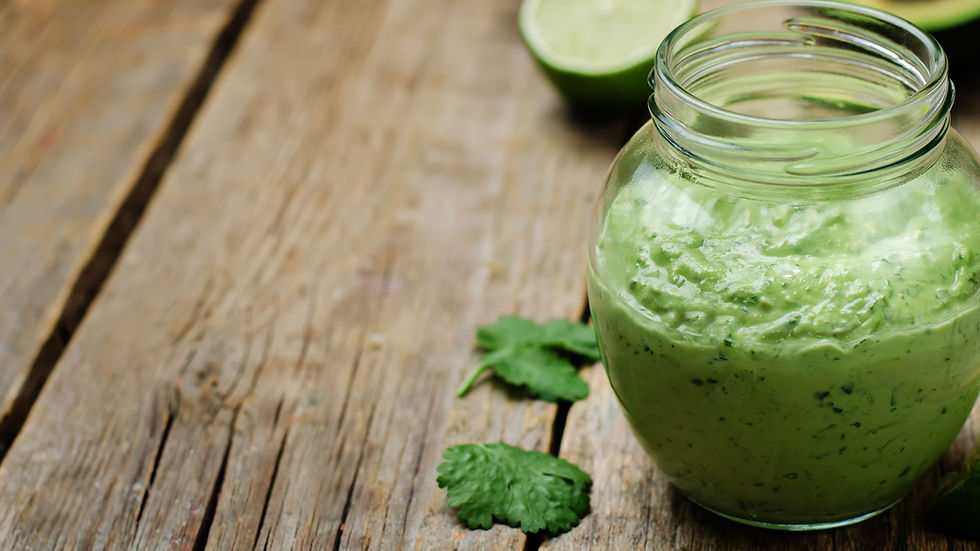
Ayurvedic Cilantro Chutney
Health Benefits According to Ayurveda: Traditionally used to support the body’s natural cleansing processes and healthy digestion. Cilantro is also valued in Ayurveda for its ability to support the elimination of ama.
Make fresh and enjoy daily as part of a nourishing diet.
Ingredients
½ cup fresh cilantro, chopped and thoroughly washed
¼ teaspoon Hawaiian Red Alaea Sea Salt
Fresh juice from ½ lime
¼ cup water
¼ cup raisins
¼ teaspoon Saumya savory spice mix or Vata Soothing Spice Mix
⅓ cup raw cashews
Instructions
Blend all ingredients together in a small food processor or blender until smooth.
Vata Soothing Spice Mix: use ¼–½ teaspoon
Cumin: ⅛ teaspoon
Fennel: ⅛ teaspoon
Ginger powder: ⅛ teaspoon
Hing: 1 small pinch

Benefits of Cilantro According to Ayurveda
According to Ayurveda, cilantro (dhanyaka) is valued for its cooling, digestive, and cleansing qualities.
It is traditionally used to:
Support healthy digestion without adding excessive heat.
Support the body’s natural elimination of ama.
Soothe excess heat, making cilantro particularly useful when Pitta needs cooling.
Support healthy urinary elimination and the body’s natural fluid balance.
Provide gentle nourishment and freshness while complementing cleansing foods such as kitchari.

Why Fresh Spices Matter
Spices not only provide delicious flavor—they also support healthy digestion. In Ayurveda, spices are valued as digestive herbs that support the proper digestion, assimilation, and elimination of food. That’s why fresh, good-quality spices matter.
Remember, these spices are digestive herbs, so quality counts.
For dried herbs and spices, the shelf life is about a year, although the exact length depends on the quality of the spice—how fresh it was when purchased—and how it has been stored.
Rancid or depleted spices should be replaced. Fresh, good-quality spices bring both flavor and digestive support to your meals.

🌿 Saumya Ayurveda Self-Observation™ Exercise Enjoy a fresh bowl of Vata kitchari for lunch or dinner for three days in a row. Each day, ask yourself: How does my belly feel after eating: settled, or gassy and bloated? Are my bowel movements easier and more regular? How did I sleep last night? How is my mind: calm and grounded, or restless and anxious? How do my skin and lips feel? What you notice shows how kitchari supports your doshas, and how your body responds to warm, simple food. Simply observe. |
Frequently Asked Questions About Vata Kitchari
Can I eat kitchari every day?
Yes. Kitchari is easy to digest, so you can enjoy it every day, especially when it is made with your own digestive spice mix.
Can I freeze kitchari?
No. Veena recommends eating kitchari fresh, because freshly cooked food has more prana (life force), while frozen food is depleted.
Which dosha is kitchari best for?
Every dosha can benefit when kitchari is adapted to them. This recipe is warming and grounding for Vata. Learn how to make kitchari for Pitta and Kapha: Pitta Kitchari: The Perfect Meal for Cleansing and Cooling Your Body and Lose Weight While You Eat: Kapha-Reducing Kitchari
Can I make kitchari ahead?
Yes, on the same day. Cook it in the morning to eat at lunch or dinner, then make a fresh batch the next day.

Final Thoughts: Vata Soothing Kitchari Is Cleansing and Grounding
When the season turns cold, dry and windy, Vata often shows up as constipation, dryness, restlessness, anxiety and poor sleep.
Vata Soothing Kitchari answers with the opposite qualities: warm, moist, soft and steady. Mung dal and basmati rice are easy to digest, ghee brings moisture, and warming spices kindle Agni, so one simple bowl can ground, nourish and gently cleanse all at once.
Start simply: make a fresh pot, enjoy it for a few days, and try the Saumya Ayurveda Self-Observation™ Exercise above. Notice your digestion, your sleep and your mind.
As Veena says, everyone can benefit from kitchari, and when it is customized to you, with your own digestive spice mix, it is even better.
If Vata symptoms keep coming back, book a free 15-minute Discovery Call with Veena. It’s just the two of you: a chance to share what’s going on, talk about your goals, and ask Veena anything about how she works.
For more grounding recipes, download the free eBooks Ayurveda Recipes for Balancing Vata Dosha and Vata Balancing Ayurveda Beverages.
Warm bowl, steady belly, settled mind. Sometimes the simplest meal is exactly what the body needs.

Our Commitment to Accessible Ayurveda Education
At Saumya Ayurveda, we believe Ayurveda's transformative ancient wisdom belongs to everyone—not just those who can afford it. That's why we're committed to making high-quality, authentic Ayurveda education available globally, free of charge.
Through our free eBooks, guides, and educational resources, we offer practical, grounded wisdom to help those seeking greater balance, vitality, and wellbeing integrate Ayurveda into their daily lives.
Accessible. Authentic. Free. Just as it was meant to be.
Free Ayurveda eBooks – Download practical guides, recipes, and wellness resources to support your health journey.
Ayurveda Blog – Enjoy easy-to-read articles, seasonal wellness tips, healthy recipes, and everyday inspiration—always educational, never a sales pitch.
Free Guided Traditional Progressive Meditations – Practice authentic, step-by-step guided meditations to cultivate calm, focus, and inner stillness.
Monthly Educational Newsletter – Receive seasonal Ayurveda insights, new articles, healthy recipes, and free resources delivered to your inbox each month.

Ayurvedic Glossary
Agni — The digestive fire, which transforms food into nourishment. Warming spices like ginger, cumin and mustard seed help kindle it.
Ama — Undigested residue that builds up when digestion is weak, leaving you heavy, foggy or bloated.
Ayurveda — A traditional system of natural medicine from India that brings body, mind and spirit into balance through food, herbs and daily rhythm.
Dhanyaka — The Sanskrit name for coriander, whose fresh leaves are cilantro.
Dosha — The three functional principles of Ayurveda, Vata, Pitta and Kapha, that shape body and mind.
Ghee — Clarified butter, prized in Ayurveda for nourishing the tissues and supporting digestion.
Hing — Asafoetida, a pungent resin used in tiny pinches to ease gas and support digestion.
Kapha — One of the three doshas, made of earth and water. It is heavy, cool, steady and moist.
Kitchari — A traditional Ayurvedic dish of split mung dal and basmati rice cooked with ghee and spices, eaten to nourish and gently cleanse.
Mung dal — Split, hulled mung beans, the lightest and easiest to digest of the legumes.
Pitta — One of the three doshas, made of fire and water. It is hot, sharp and intense.
Prana — The life force in all living things. Freshly cooked food holds more prana than leftover or frozen food.
Ritucharya — Ayurveda’s seasonal routine: adjusting food, drinks and daily habits to live in harmony with each season.
Vata — One of the three doshas, made of space and air. It is cold, dry, light, rough and mobile, and it rises in fall and early winter.

What Our Clients Say | Saumya Ayurveda Testimonials
Real Transformations Through Ayurveda Consultation
Physician Testimonial (Medical Endorsement)
“As a physician, I have always believed that prevention is better than cure. In today’s healthcare environment, Ayurveda offers a logical and natural approach to long-term health and prevention.
I began working with Veena during a very demanding phase of my life, and she made the process accessible even within my busy schedule. I was encouraged to follow a steady, sustainable approach focused on real lifestyle change.
Over time, I experienced meaningful improvements in balance, energy, and well-being. In my medical practice, I now see many patients with similar stress- and diet-related imbalances, which has further reinforced my trust in Ayurvedic principles.
I have since referred several patients to Saumya Ayurveda and consider Veena a valuable resource in supporting holistic well-being.”
Dr. Gauri Nagargoje M.D., Oncology & Hematology
Physician Testimonial (Medical Endorsement)
“As a physician, I initially struggled with Ayurveda’s simplicity and depth, but Veena’s guidance made it practical, scientific, and deeply effective.
Veena has transformed my health and perspective on healing. I experienced significant improvements in focus, digestion, stress response, and overall vitality.
Her personalized approach made lifestyle changes easy and sustainable.
This journey not only improved my health but also inspired a lifelong commitment to integrating Ayurveda into holistic healthcare.”
Dr. Jessica Bedi D.O., & Ayurvedic Doctor
Professional Testimonial (Mental Wellbeing Endorsement)
"Veena is a knowledgeable and experienced Certified Ayurvedic Practitioner. Over the years, she has helped many of my therapy clients, particularly those for whom the allopathic approach to treatment was insufficient.
She treats the whole person in terms of Ayurvedic diet, lifestyle, and herbal treatment. In Veena you'll find both skill and care.
Veena's knowledge, care, and a selfless compassion for other's suffering is palpable."
Dr. Stephen Parker Adjunct Professor, St. Mary's University, Minneapolis, Minnesota


Anne R., Minneapolis, Minnesota, USA
Explore more client success stories from Saumya Ayurveda and see how Ayurveda supports healing, balance, and transformation.

Discover the Saumya Ayurveda Way
Ayurveda Begins With Seeing the Whole Person
At Saumya Ayurveda, symptoms are not viewed in isolation. Ayurveda looks at the relationship between digestion, elimination, sleep, stress, energy, daily rhythms, mind, stage of life, season, climate, constitution, and current doshic imbalances to understand the patterns that influence how you feel.
When health concerns persist, it can be frustrating to feel that individual symptoms are being addressed without understanding the bigger picture. Ayurveda offers another way—one that asks not only “What is the symptom?” but also “What are the body and mind communicating?”
Personalized Ayurveda, Rooted in Tradition
Saumya Ayurveda combines classical Ayurvedic principles with practical guidance for modern life. Your Ayurvedic plan is based on your individual prakriti (natural constitution), vikriti (current state of doshic imbalance), lifestyle, and circumstances—not a generic dosha checklist or one-size-fits-all protocol.
The goal is not to overwhelm you with rules. It is to help you understand your own body and mind and make sustainable changes that fit naturally into your life, informed by the wisdom of Ayurveda.
For those who want ongoing support, concierge-style Ayurveda consultation packages provide personalized guidance, thoughtful follow-up, and practical tools to help turn Ayurvedic principles into everyday habits.
Education First. Personalized Guidance When You Need It.
Veena takes an education-first, client-centered approach. At Saumya Ayurveda, our favorite product is knowledge.
You won't find education built around selling a supplement, herb, or wellness product. Instead, you'll find traditional Ayurvedic perspectives, practical guidance, and timeless principles that help you better understand your body, mind, and unique constitution.
When understanding deepens, better choices naturally follow.
Learn. Observe. Understand. Transform.
Begin your Ayurveda journey with a free 15-minute Discovery Call with Veena and explore whether personalized Ayurvedic guidance is right for you.

Meet Veena: Your Trusted Ayurvedic Guide for Clients Worldwide
Veena Haasl-Blilie is a Certified Ayurvedic Practitioner, Ayurveda teacher, meditation guide, and monk with over three decades of experience helping clients worldwide achieve greater balance and well-being through Ayurveda.
As founder of Saumya Ayurveda and President Emeritus of the Meditation Center, Veena serves clients worldwide through personalized Ayurvedic wellness guidance, meditation, and yoga practices.
Saumya Ayurveda has been recognized as the #1 Ayurveda cooking blog and the #3 Ayurveda website and blog and has received multiple consecutive awards for best wellness practice.
Through her work, Veena shares practical Ayurvedic guidance, nourishing recipes, and wellness education for modern living.
Inspired from an early age by learning herbal remedies, food as medicine, and traditional healing practices at her grandmother’s knee, Veena combines traditional Ayurvedic wisdom with compassionate, accessible guidance that supports mental, physical, and spiritual well-being.
Known for her warmth, humor, intuitive approach, and accessible style, Veena empowers people to create sustainable health through personalized Ayurvedic wellness plans designed to fit naturally into everyday life.
Veena is also the author of several free Ayurveda eBooks and writes the educational articles published on the Saumya Ayurveda blog.
As seen in:
Voice America
Albuquerque The Magazine
Learn more about Veena and her work through Saumya Ayurveda.
Disclaimer: This information is for educational purposes only and is not a substitute for professional medical advice. Ayurveda works best when tailored to your unique doshic profile, so it’s essential to understand your constitution and imbalances before using herbs, foods, or lifestyle practices. Consult a Certified Ayurvedic Practitioner for personalized guidance.

Meet Vata, the Saumya Ayurveda Office Dog
Vata joined the Saumya Ayurveda pack about a year ago. At first, his Vata was quite imbalanced. He was fearful, underweight, skittish, hand-shy, and anxious.
I worked with him slowly to gain his trust, letting him come to me rather than pushing for interaction. Once Vata was grounded with the help of warm, moist food with ghee, something changed. Vata began to experience more trust, his fear began to lessen, and the door was wide open.
Now Vata is thriving. He has gained weight, is trusting of (some) people, and I am honored to be one of them. He loves to be petted—and he especially loves having his big ears massaged.
Vata is an absolute joy to have on the team.


