How to Manage Anxiety Naturally: 6 Ayurvedic Ways to Find Greater Calm

Updated: Aug 23
Anxiety can affect how you think, sleep, eat, and move through your day. When your mind feels busy, your body tense, or your thoughts difficult to slow down, finding a greater sense of calm can feel out of reach.
Ayurveda encourages you to look at the whole picture. How are you sleeping? How is your digestion? Are your days rushed and irregular? Do you feel nourished, rested, and grounded—or depleted and constantly on the move?
From an Ayurvedic perspective, anxiety is often associated with an aggravation of Vata dosha, particularly when it appears alongside restlessness, racing thoughts, poor sleep, digestive changes, or feeling ungrounded. Rather than searching for a quick fix, Ayurveda offers practical ways to create greater stability, nourishment, and balance in daily life.
In this guide, you'll discover six Ayurvedic ways to support greater calm naturally—including nourishing food, healthy digestion, diaphragmatic breathing, meditation, individualized herbal support, and a consistent daily routine.
These practices invite you to slow down, observe, and make small changes that can support greater balance—one day at a time.

Explore more on the Saumya Blog, selected top Ayurveda blogs and websites to watch.
Learn how to manage anxiety naturally with 6 Ayurvedic ways to find greater calm. Explore nourishing foods, healthy digestion, diaphragmatic breathing, meditation, herbs, and daily routines that support balance and wellbeing.
Key Takeaways
Ayurveda takes a whole-person approach to anxiety. How you sleep, eat, digest, manage stress, and move through your day can all influence how balanced and grounded you feel.
Anxiety is often associated with aggravated Vata dosha. Restlessness, racing thoughts, poor sleep, digestive changes, and feeling ungrounded can all reflect increased Vata qualities.
Nourishment and regularity matter. Warm, nourishing foods, healthy digestion, and consistent daily routines can help create greater stability.
Your breath can be a powerful place to begin. Diaphragmatic breathing offers a simple way to pause, slow down, and support a calmer nervous system.
Small daily practices can add up. Meditation, rest, gentle movement, time in nature, and moments of stillness can help support greater calm and resilience.
Ayurveda is individualized. There is no single food, herb, or practice that is right for everyone. Self-observation and individualized guidance can help you better understand what supports your unique needs.
Table of Contents

6 Ayurvedic Ways to Support Greater Calm
Ayurveda does not offer a single remedy for anxiety. Instead, it encourages you to look at the patterns of your daily life and ask an important question: What is contributing to feeling unsettled, depleted, or ungrounded?
The six practices below can help you create greater nourishment, stability, and calm. Start where you are. You do not need to change everything at once.

1. Eat Foods That Help Ground and Nourish You
When life feels busy or stressful, it is easy to eat on the run, skip meals, or reach for foods that provide quick energy without lasting nourishment. From an Ayurvedic perspective, these habits can contribute to the irregularity and depletion often associated with aggravated Vata dosha.
Warm, freshly prepared meals can provide a sense of nourishment and stability. Many people find that regular meals built around cooked foods, healthy fats, whole grains, seasonal vegetables, soups, and stews are especially grounding.
Just as important as what you eat is how and when you eat. Sitting down for meals, eating without rushing, and maintaining regular mealtimes can help bring more rhythm to the day.
Rather than searching for the one perfect food for anxiety, begin with self-observation. How do you feel after you eat? Nourished and satisfied? Heavy and sluggish? Still hungry and reaching for more food an hour later? Ayurveda encourages you to notice these patterns and learn from them.
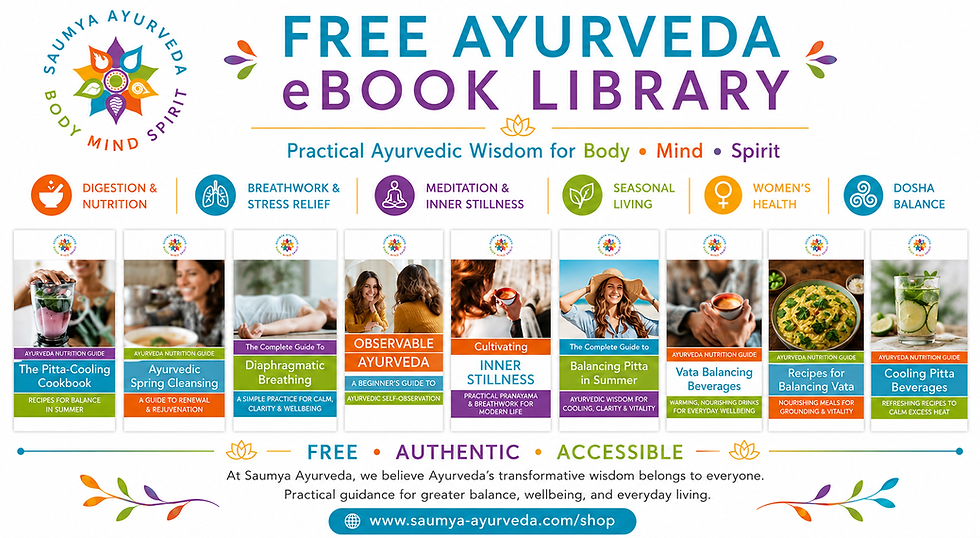
Explore Saumya Ayurveda's collection of free Ayurvedic recipe eBooks for nourishing recipes and practical guidance to bring the principles of Ayurveda into your everyday kitchen. Explore the Free Ayurveda eBook Library

2. Support Healthy Digestion
In Ayurveda, Agni, or digestive fire, plays an essential role in how the body receives and uses nourishment. Food must be digested and transformed before it can contribute to the body's tissues and energy.
Stress and irregular routines can affect the way you eat and digest. You may eat too quickly, skip meals, overeat, or find that your appetite changes during stressful periods. Paying attention to these patterns can be an important part of understanding your overall wellbeing.
Simple habits can help support healthy digestion:
Eating meals at relatively regular times
Choosing foods that leave you feeling nourished and comfortable
Taking time to sit and eat rather than rushing through meals
Allowing yourself time to digest between meals
Noticing how stress affects your appetite and digestion
Healthy digestion is not about following a perfect diet. It is about creating consistent nourishment and greater awareness of what your body needs.

3. Begin With Diaphragmatic Breathing
If there is one practice to begin with, make it diaphragmatic breathing.
Many people spend much of the day breathing high in the chest without realizing it. Diaphragmatic breathing invites you to slow down and allow the breath to move more naturally through the diaphragm and abdomen.
This simple practice can become a powerful pause in the middle of a busy day. Rather than trying to force your mind to become quiet, begin with the body. Notice your breath. Allow your abdomen to soften. Give yourself a few moments to simply breathe.
A regular breathing practice can help you become more aware of when you are holding tension or moving through the day without pause. Over time, this awareness can help you recognize stress earlier and respond with greater intention.
Veena considers diaphragmatic breathing a foundation for many other breathing practices. Before adding more advanced techniques, learn to breathe naturally and comfortably.
Explore Saumya Ayurveda's free Diaphragmatic Breathing eBook for a deeper introduction to this essential practice and step-by-step guidance you can use every day.

4. Create a Daily Practice of Stillness
An anxious mind often keeps moving—thinking ahead, replaying the past, solving problems, and preparing for what might happen next. Creating a regular practice of stillness gives you an opportunity to step out of the constant movement and simply observe.
Meditation does not require you to empty your mind or achieve a particular experience. It can begin with something much simpler: sitting quietly and noticing what is happening.
What thoughts keep returning? How does your body feel? Is your breath shallow or relaxed? Are you tired, hungry, overstimulated, or simply in need of rest?
This is where self-observation becomes a practical part of everyday life. When you pause long enough to notice what is happening, you have more opportunity to respond to your needs rather than automatically pushing through them.
Even a few minutes of quiet reflection each day can become a meaningful practice. The goal is not perfection. The goal is to create a little more space between what you experience and how you respond.
Looking for guided support? Explore Saumya Ayurveda's free guided practices to help you slow down, breathe, and create more moments of calm and self-observation in your day.
5. Consider Ayurvedic Herbs as Part of an Individualized Approach
People often ask, "What is the best Ayurvedic herb for anxiety?" There is no single answer.
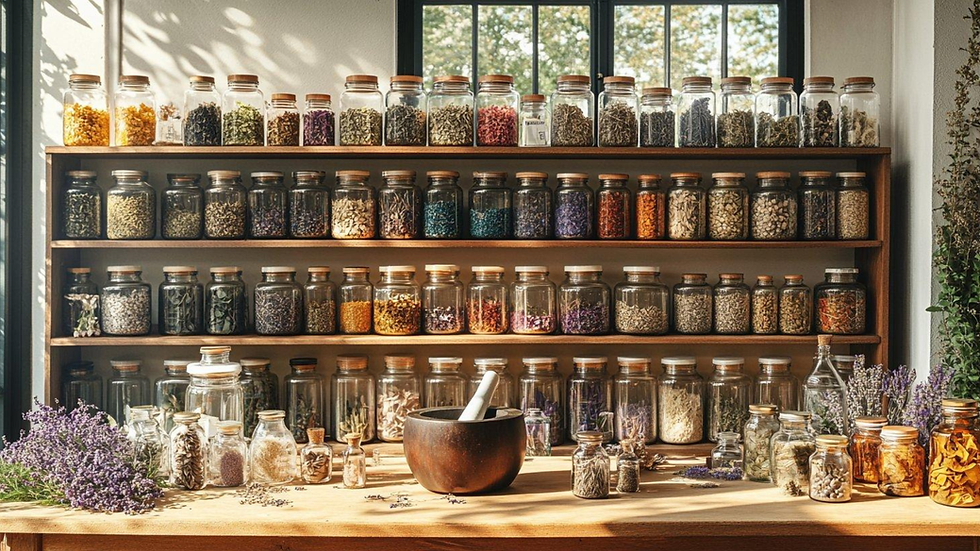
Ayurveda does not generally approach herbs as one-size-fits-all solutions. The most appropriate support depends on the individual and the complete pattern of imbalance. Two people may both describe feeling anxious while having very different needs.
For this reason, herbal recommendations should consider factors such as your constitution, current imbalance, digestion, sleep, energy, medications, and overall health.
Herbs can be an important part of an individualized Ayurvedic approach, but they are only one piece of the larger picture. Before adding herbs to your routine, particularly if you take medication or have an existing health condition, seek guidance from an appropriately qualified healthcare professional.
Knowledge comes first. Understanding why a particular herb may—or may not—be appropriate for you is far more valuable than simply searching for the next supplement.

6. Create a Regular Daily Rhythm
When life feels unpredictable, creating a little more rhythm can be deeply supportive. Ayurveda places great value on dinacharya, or a daily routine, because regularity can help bring greater consistency to the body and mind.
This does not mean scheduling every minute of your day. Start with a few simple anchors:
Wake and go to bed at relatively consistent times
Eat meals at regular intervals
Create a calming morning routine
Allow for a slower transition into the evening
Make time for rest
Reduce unnecessary rushing whenever possible
A regular rhythm can also help you notice what disrupts your sense of balance. Perhaps late nights affect your sleep. Maybe skipping lunch leaves you depleted by mid-afternoon. Or a few quiet minutes in the morning change the way you move through the entire day.
Small routines create opportunities for self-observation. Over time, these observations can help you understand what supports a greater sense of stability and calm.
Creating a consistent rhythm can begin with the way you start and end your day. Explore these Ayurvedic routines for simple practices that can help bring greater calm, steadiness, and intention to your daily life:
🌿Saumya Ayurveda Self Observation™ ExerciseA Simple Daily Practice for Greater Calm You do not need an elaborate routine to begin. Try this simple practice once or twice each day: Pause. Breathe. Observe.
First, pause whatever you are doing for a moment. Place both feet on the floor and allow your body to become still.
Next, breathe. Take several slow, comfortable diaphragmatic breaths. There is no need to force or control the breath. Simply notice it.
Then, observe. Ask yourself:
You may discover that what you need is simple: food, water, movement, rest, fresh air, quiet, or a few minutes away from your screen.
This is Observable Ayurveda™ in everyday life. The practice begins with paying attention. The more you learn to observe your own patterns, the more opportunities you have to make choices that support balance and greater calm. |

When Anxiety Needs Additional Support
Ayurveda can offer valuable practices for supporting greater calm and wellbeing, but it is not a replacement for appropriate mental health or medical care.
If anxiety is persistent, severe, worsening, interfering with your relationships or daily life, or making it difficult to work, sleep, or care for yourself, reaching out for additional support is an important act of self-care. A qualified mental health professional or healthcare provider can help you understand your symptoms and discuss appropriate treatment and support.
You do not have to choose between traditional wisdom and modern care. Support can take many forms, and seeking help when you need it is part of caring for yourself.
If you are experiencing an immediate mental health crisis or feel that you may harm yourself, seek emergency assistance or contact a crisis service in your area right away.

Use Guided Practices to Shift from Fight-or-Flight to Rest and Relaxation
In Ayurveda, calming the nervous system is considered an important part of supporting both emotional and physical wellbeing.
Chronic stress, overstimulation, anxiety, and mental exhaustion may keep the body in a prolonged fight-flight-freeze response, making it more difficult to feel grounded, rested, focused, and emotionally balanced.
At Saumya Ayurveda, guided breathing and meditation practices are used to help support a shift toward the body’s natural rest-and-relaxation response through simple and sustainable daily practices.
Step One: Learn Diaphragmatic Breathing
Diaphragmatic breathing, also known as deep belly breathing, is one of the foundational practices used to help support nervous system balance. When breathing becomes slower, fuller, and more conscious, many people experience greater calmness, focus, grounding, and emotional steadiness.
Learning diaphragmatic breathing may help support:
Relaxation and grounding
Reduced feelings of overwhelm
Mental clarity and focus
Emotional balance
Nervous system regulation
In Ayurveda and yogic traditions, the breath is viewed as deeply connected to both the mind and the body. By bringing awareness to the breath throughout the day, individuals may gradually cultivate a calmer and more balanced state of being.
Step Two: Practice Guided Meditation Daily
Consistent guided practices may help support greater steadiness and resilience over time. At Saumya Ayurveda, free guided meditation practices are designed to be used as part of a simple morning routine and evening ritual to help create calm and balance throughout the day.
Even practicing for a few intentional minutes in the morning and evening may help support:
Stress management
Emotional wellbeing
Relaxation
Mindfulness
Improved focus
Nervous system balance
Ayurveda emphasizes consistency over perfection. Small daily practices such as conscious breathing, meditation, grounding routines, and mindful rest may gradually help individuals feel calmer, more balanced, and more connected to themselves again.
Step Three: Build Supportive Morning and Evening Routines
Creating simple and supportive daily rituals may help calm the nervous system and cultivate greater steadiness throughout the day. In Ayurveda, consistent routines are considered especially important for balancing Vata dosha and reducing feelings of stress and overwhelm.
Supportive routines may include:
By beginning and ending the day with mindful practices, many people find they feel more grounded, focused, emotionally balanced, and supported in everyday life.

Frequently Asked Questions About Anxiety and Ayurveda
How does Ayurveda support anxiety and nervous system balance?
Ayurveda takes a holistic approach to anxiety by considering balance within the body and mind, including digestion, sleep, the nervous system, and daily lifestyle habits. Practices such as pranayama, grounding foods, meditation, consistent routines, and mindful living may help support emotional wellbeing and greater nervous system balance.
What dosha is associated with anxiety in Ayurveda?
In Ayurveda, anxiety is commonly associated with aggravated Vata dosha. When Vata becomes imbalanced, individuals may experience patterns such as restlessness, racing thoughts, overwhelm, difficulty sleeping, irregular digestion, dryness, and increased sensitivity.
Can diaphragmatic breathing help calm anxiety?
Yes. Diaphragmatic breathing, also known as deep belly breathing, may help support the body's natural relaxation response. Conscious breathing practices are traditionally used in Ayurveda and yogic traditions to support grounding, emotional balance, relaxation, and a greater sense of calm.
What is pranayama in Ayurveda?
Pranayama is the yogic practice of consciously working with and regulating the breath. Used alongside Ayurvedic practices, gentle pranayama may help support stress management, mental clarity, emotional steadiness, and overall wellbeing.
What Ayurvedic foods may help support Vata balance?
Ayurvedic nutrition for balancing Vata dosha often emphasizes warm, moist, cooked, and nourishing foods. Soups, stews, grounding grains, healthy fats, warming spices, and herbal teas are commonly recommended to support digestion, nourishment, and a greater sense of steadiness.
Can Ayurvedic daily routines help with stress and overwhelm?
Yes. Ayurveda teaches that consistent daily routines, known as dinacharya, can help create greater rhythm and stability in daily life. Regular sleep habits, mindful morning rituals, nourishing meals, meditation, and calming evening practices may help cultivate greater steadiness and resilience.
Are Ayurvedic herbs for anxiety individualized?
Yes. Ayurveda emphasizes an individualized approach to herbal support. The appropriate herbs and formulations may depend on a person's constitution, current patterns of imbalance, digestion, medications, health history, and other individual factors. Herbal support is best considered as one part of a broader approach to wellbeing.
What are simple Ayurvedic practices for calming the nervous system?
Simple Ayurvedic practices may include:
Diaphragmatic breathing
Gentle pranayama
Meditation
Warm, nourishing foods
Consistent daily routines
Grounding lifestyle practices
Reducing overstimulation
Restful, quality sleep
Mindful self-care

Continue Your Ayurveda Knowledge Journey
Understanding anxiety through an Ayurvedic perspective is one part of learning to observe the connection between your body, mind, and daily life. Continue exploring the Ayurvedic principles and practices that can help you cultivate greater calm, nourishment, steadiness, resilience, and lasting balance.
1. Learn the Foundations of Ayurveda
2. Build a Strong Foundation
3. Better Understand Your Unique Constitution
4. Support Your Vitality Naturally
How to Do Abhyanga Massage at Home: Benefits, Oils, and Step-by-Step Guide
Why Seasonal Transitions Matter for Ojas: An Ayurveda Guide to Immunity and Resilience Coming September 2026)
5. Explore Common Health Challenges Through an Ayurvedic Lens
7 Ayurvedic Remedies for Maintaining Healthy Blood Pressure Naturally
Gut-Brain Connection in Ayurveda: Reduce Anxiety Through Digestion
Leaky Gut Syndrome in Ayurveda: Causes, Symptoms, Diet, and Natural Healing
Histamine Intolerance: Symptoms, Causes, Diet, and Ayurvedic Treatment for Natural Relief
MCAS Natural Treatment: Ayurvedic Diet, Herbs, and Root Causes
Our Commitment to Accessible Ayurveda Education
At Saumya Ayurveda, we believe Ayurveda's transformative ancient wisdom belongs to everyone—not just those who can afford it. That's why we're committed to making high-quality, authentic Ayurveda education available globally, free of charge.
Through our free eBooks, guides, and educational resources, we offer practical, grounded wisdom to help those seeking greater balance, vitality, and wellbeing integrate Ayurveda into their daily lives.
Accessible. Authentic. Free. Just as it was meant to be.
Free Ayurveda eBooks – Download practical guides, recipes, and wellness resources to support your health journey.
Ayurveda Blog – Enjoy easy-to-read articles, seasonal wellness tips, healthy recipes, and everyday inspiration—always educational, never a sales pitch.
Free Guided Traditional Progressive Meditations – Practice authentic, step-by-step guided meditations to cultivate calm, focus, and inner stillness.
Monthly Educational Newsletter – Receive seasonal Ayurveda insights, new articles, healthy recipes, and free resources delivered to your inbox each month.

Final Thoughts
Anxiety can be a signal that the body and mind are asking for greater attention, rest, nourishment, and support. Ayurveda invites you to slow down and observe the patterns in your daily life without judgment.
You do not need to change everything at once.
Begin with one small practice: take a few slow diaphragmatic breaths, eat a warm nourishing meal, create a little more rhythm in your day, or give yourself permission to rest.
Small choices, practiced consistently, can help create a greater sense of steadiness over time.
Through self-observation, you can begin to notice what leaves you feeling scattered and depleted—and what helps you feel more grounded, nourished, and at ease. This awareness is an important part of the Ayurvedic journey.
And when anxiety feels persistent, overwhelming, or difficult to manage, seeking additional support is also an important act of self-care. Ayurveda can be part of a broader path toward greater wellbeing, alongside appropriate mental health and medical care when needed.

What Our Clients Say | Saumya Ayurveda Testimonials
Real Transformations Through Ayurveda Consultation
Physician Testimonial (Medical Endorsement)
“As a physician, I have always believed that prevention is better than cure. In today’s healthcare environment, Ayurveda offers a logical and natural approach to long-term health and prevention.
I began working with Veena during a very demanding phase of my life, and she made the process accessible even within my busy schedule. I was encouraged to follow a steady, sustainable approach focused on real lifestyle change.
Over time, I experienced meaningful improvements in balance, energy, and well-being. In my medical practice, I now see many patients with similar stress- and diet-related imbalances, which has further reinforced my trust in Ayurvedic principles.
I have since referred several patients to Saumya Ayurveda and consider Veena a valuable resource in supporting holistic well-being.”
Dr. Gauri Nagargoje
M.D., Oncology & Hematology
Physician Testimonial (Medical Endorsement)
“As a physician, I initially struggled with Ayurveda’s simplicity and depth, but Veena’s guidance made it practical, scientific, and deeply effective.
Veena has transformed my health and perspective on healing. I experienced significant improvements in focus, digestion, stress response, and overall vitality.
Her personalized approach made lifestyle changes easy and sustainable.
This journey not only improved my health but also inspired a lifelong commitment to integrating Ayurveda into holistic healthcare.”
Dr. Jessica Bedi
D.O., & Ayurvedic Doctor
Rachel R., Denver, Colorado, USA


Explore more client success stories from Saumya Ayurveda and see how Ayurveda supports healing, balance, and transformation.

Discover the Saumya Ayurveda Way
Ayurveda begins with seeing the whole person.
At Saumya Ayurveda, symptoms are not viewed in isolation. Ayurveda looks at the relationship between digestion, elimination, sleep, stress, energy, daily rhythms, mind, and constitution to understand the patterns that influence how you feel.
When health concerns persist, it can be frustrating to feel that individual symptoms are being addressed without understanding the bigger picture. Ayurveda offers another way of looking at health—one that asks not only “What is the symptom?” but also “What is the body communicating?”
Personalized Ayurveda, Rooted in Tradition
Saumya Ayurveda combines classical Ayurvedic principles with practical guidance for modern life. Your recommendations are based on your individual prakriti (natural constitution), current patterns of imbalance, lifestyle, and circumstances—not a generic dosha checklist or one-size-fits-all protocol.
The goal is not to overwhelm you with rules. It is to help you understand your own body, recognize patterns, and make sustainable changes that fit naturally into your life.
For those who want ongoing support, concierge-style Ayurveda consultation packages provide personalized guidance, thoughtful follow-up, and practical tools to help turn Ayurvedic principles into everyday habits.
Education First. Personalized Guidance When You Need It.
Saumya Ayurveda takes an education-first, client-centered approach. There is no pressure to purchase herbal products or supplements. Instead, the focus is on knowledge, self-observation, practical lifestyle changes, and helping you become an informed participant in your own well-being.
For those who want ongoing support, concierge-style Ayurveda consultation packages provide personalized guidance, thoughtful follow-up, and practical tools to help turn Ayurvedic principles into everyday habits.
Learn. Observe. Understand. Transform.
Begin your Ayurveda journey with a free 15-minute Discovery Call with Veena and explore whether personalized Ayurvedic guidance is right for you
.

Veena Blilie is a Certified Ayurvedic Practitioner, Ayurveda teacher, meditation guide, and monk with more than three decades of experience helping people cultivate greater balance and well-being through Ayurveda.
As founder of Saumya Ayurveda and President Emeritus of the Meditation Center, Veena combines traditional Ayurvedic wisdom with practical, compassionate guidance for modern life.
Her work integrates Ayurveda, meditation, and yoga with an emphasis on self-observation, education, and sustainable daily practices.
Veena's connection to traditional healing began early, learning about herbal remedies, food as medicine, and natural healing practices at her grandmother's knee.
Today, she brings that foundation into accessible Ayurvedic education, personalized wellness guidance, nourishing recipes, and practical tools that help people better understand their own bodies and minds.
Saumya Ayurveda has been recognized as the #1 Ayurveda cooking blog and #3 Ayurveda website and blog, along with multiple consecutive awards for excellence in wellness practice.
Known for her warmth, humor, intuitive approach, and accessible teaching style, Veena helps people create personalized Ayurvedic wellness plans that fit naturally into everyday life rather than adding another complicated set of rules.
Veena is also the author of several free Ayurveda eBooks and writes the educational articles published on the Saumya Ayurveda blog, sharing Ayurveda knowledge with readers and clients around the world.
As seen in:
Voice America
Albuquerque The Magazine
Learn more about Veena and her work through Saumya Ayurveda.
Disclaimer: This information is for educational purposes only and is not a substitute for professional medical advice. Ayurveda works best when tailored to your unique doshic profile, so it’s essential to understand your constitution and imbalances before using herbs, foods, or lifestyle practices. Consult a Certified Ayurvedic Practitioner for personalized guidance.