


Ayurveda for Resilience: Herbs, Diet, Yoga & Lifestyle for Tough Times

Updated: May 12
Life is full of challenges, uncertainty, and constant change, making mental and physical resilience more important than ever. While modern approaches often focus on stress management techniques and mindfulness apps, Ayurveda offers a holistic path to strengthening the mind, body, and spirit naturally.
Through personalized nutrition, herbal support, daily routines, yoga, meditation, and lifestyle practices, Ayurveda helps create greater emotional balance, energy, and inner stability.
According to Ayurveda, true resilience comes from maintaining balance within the doshas and supporting healthy digestion, sleep, nervous system function, and emotional well-being. When the body and mind are in harmony, it becomes easier to navigate stress, anxiety, burnout, and life’s challenges with greater calm, clarity, and strength.
In this guide, you’ll discover practical Ayurvedic practices for building resilience, improving emotional wellness, reducing stress naturally, and creating lasting balance during difficult times.

1. Foundations of Resilience in Ayurveda
Ayurveda views resilience not just as mental toughness but as a balance of mind, body, and spirit. True resilience comes from harmony in your doshas, proper daily routines, and alignment with natural rhythms.
Ayurveda views energy as the outcome of proper functioning of the body, mind, and digestion. It is not something that can be forced—it must be cultivated. Ojas and agni are essential for maintaining balanced energy and stamina.
Ojas – The Foundation of Vitality
Ojas is considered the most refined essence of the body’s tissues. Ojas is the foundation of vitality, stamina, and joy. It is responsible for:
When Ojas is strong, a man feels motivated, resilient, and balanced. When it is depleted, symptoms such as exhaustion, fatigue, lack of enthusiasm, poor recovery, burnout, and stress may appear.
Ojas in Ayurveda is a core concept that refers to the subtle essence of vitality, immunity, and overall life force. In Ayurvedic philosophy, Ojas is considered the most refined product of digestion and tissue nourishment, formed after food is processed through the body’s seven tissues (dhatus). It is not a physical substance, but a vital energy that sustains health, longevity, and inner strength. When Ojas is abundant and balanced, it supports both physical immunity and mental resilience.
In Ayurveda, Ojas and immunity are closely connected. Classical texts describe Ojas as the foundation of Vyadhikshamatva, the body’s natural ability to resist disease and recover from stress.
Strong Ojas is associated with stable energy levels, clear thinking, emotional balance, and a natural glow of the skin. It helps the body adapt to challenges, making it a key factor in maintaining long-term health and preventing illness.
Low Ojas, on the other hand, is believed to contribute to fatigue, frequent sickness, anxiety, poor sleep, and reduced stamina.
Ayurveda teaches that Ojas becomes depleted by chronic stress, poor digestion, lack of rest, and overexertion. When the body or mind is constantly strained, the subtle reserves of vitality are gradually weakened, leading to imbalance and vulnerability.
Ayurvedic wisdom emphasizes that building and protecting Ojas requires a nourishing lifestyle. This includes eating warm, wholesome foods that are easy to digest, maintaining regular daily routines, getting sufficient sleep, and supporting emotional well-being. Gentle movement, diaphragmatic breathing, and balanced use of the senses are also considered important for preserving Ojas and preventing depletion.
Qualities of Strong Ojas
When Ojas is healthy, a person tends to have:
Good immunity and resistance to illness
Stable energy (not easily exhausted)
Clear thinking and emotional calm
Healthy skin glow and strong digestion
A sense of contentment and resilience
Signs of Low Ojas
Low or disturbed Ojas may show up as:
Frequent illness or slow recovery
Fatigue, burnout, or weakness
Anxiety, fearfulness, or emotional instability
Poor sleep
Dryness or lack of luster in skin and eyes
Simple Way to Think About Ojas
"You can think of Ojas as your body’s reservoir of resilience—the deeper strength that keeps you steady even when life is demanding. It is the quiet force that supports immunity, vitality, and emotional stability, allowing a person to feel grounded, energized, and well even in the face of life’s demands." -Veena, Saumya Ayurveda
How Ayurvedic Principles Define Resilience
According to Ayurveda, health is more than the absence of disease. It is the optimal functioning of body systems, emotional stability, and mental clarity. Resilience emerges when your internal energies are balanced and your body can respond effectively to stressors. Stress, fatigue, and emotional instability indicate an imbalance in the doshas and disruption in your natural rhythms.
The Role of Doshas in Stress Management
Ayurveda identifies three doshas—Vata, Pitta, and Kapha—that govern physical, emotional, and mental traits. Each dosha influences how we respond to stress:
Vata (Air + Ether): Sensitive, quick to worry, prone to anxiety. Stress may manifest as insomnia, restlessness, or digestive issues such as constipation.
Pitta (Fire + Water): Ambitious, intense, prone to irritability and anger. Stress may show as frustration, inflammation, or headaches.
Kapha (Earth + Water): Calm, steady, but can feel heavy, lethargic, or depressed under stress.
Balancing your doshic picture during stressful periods strengthens your resilience and supports emotional equilibrium.
This might help you too:
What is Ayurveda? A Beginner's Guide and Beyond
Ayurvedic Lifestyle Practices: How to Build an Ayurvedic Morning Routine
How to Detox Emotionally|10 Ayurvedic Practices for Emotional Cleansing
Daily Routines (Dinacharya) for Resilience
Ayurveda emphasizes Dinacharya, or daily routines, to maintain harmony and build resilience:
Wake up early before sunrise to align with natural rhythms
Practice oil pulling and tongue scraping for gentle daily cleansing
Connect with diaphragmatic breathing and re-learn this as your natural breath pattern
Learn how to systematically relax yourself, anywhere, anytime
Meditate and set intentions for the day
Follow mindful eating habits with warm, nourishing meals
Evening rituals like self-massage (Abhyanga) to calm the nervous system
These practices anchor the mind, calm the senses, and prepare your body to handle stress.

2. Ayurvedic Herbs for Stress and Emotional Strength
Ayurveda uses herbs and herbal formulations (Rasayanas) to boost mental strength, emotional balance, and overall vitality.
Adaptogens and Rasayanas for Emotional Resilience
Some powerful herbs include:
Ashwagandha: Calms the nervous system, reduces cortisol, and enhances energy
Brahmi: Improves memory, focus, and mental clarity
Shankhapushpi: Supports cognitive health and reduces anxiety
"Ayurveda is effective because it tailors remedies to your unique body, mind, and spirit, rather than using a one-size-fits-all approach. It offers personalized herbal remedies by considering your doshas, Prakruti and Vikruti, agni, ama, life stage, climate, and more. It's about finding what specifically supports your balance. It is not, for example, feeling stressed or tired, ashwagandha. There's more about YOU to consider. Taking the incorrect herb can create dosha imbalances."- Veena, Saumya Ayurveda.
Herbal Teas for Calming the Mind
Chamomile and Tulsi (Holy Basil) tea: Reduces stress and promotes sleep
Lemon balm and mint: Refreshing and soothing for anxious minds
Dosha-Specific Herbal Recommendations
Vata: Ashwagandha, Shatavari to ground and calm
Pitta: Brahmi, Gotu Kola to cool the mind
Kapha: Ginger, Tulsi to energize and uplift
By incorporating herbs thoughtfully, Ayurveda empowers you to resist emotional turbulence naturally. *Herbs are listed as examples only for educational purposes.
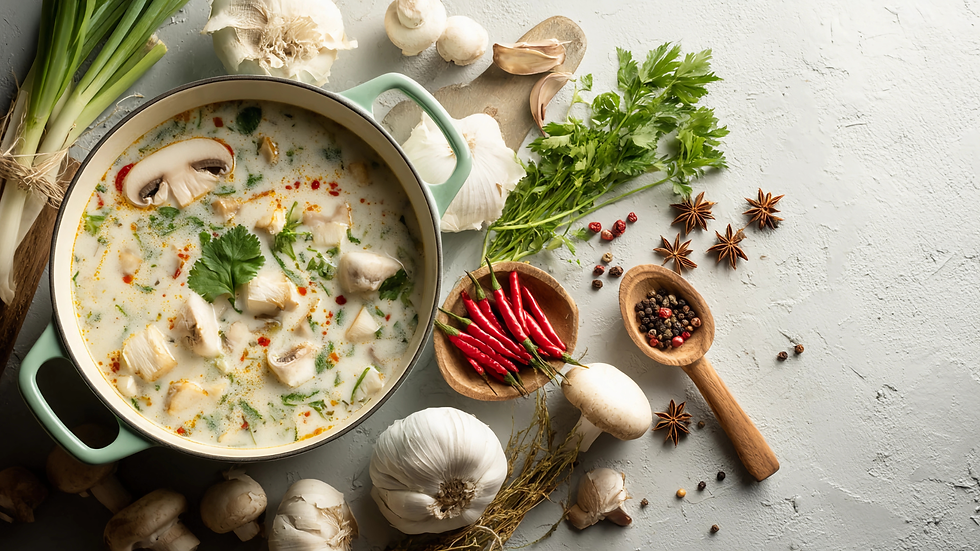
3. Ayurvedic Nutrition for Inner Strength
Food is medicine in Ayurveda. Your diet can strengthen immunity, build stamina, and stabilize emotions, which are crucial for resilience.
Ayurvedic Foods That Build Stamina and Immunity
Warm, cooked foods are easier on the digestion
Whole grains, legumes, and ghee for nourishment
Spices like turmeric, cumin, and coriander for anti-inflammatory support
Diet Tips for Balancing Doshas During Stress
Vata: Warm, moist, grounding foods; avoid raw, cold items
Pitta: Cooling foods like cucumbers, melons, and dairy
Kapha: Light, spiced, stimulating foods; avoid heavy, oily meals
Seasonal Eating for Mental and Emotional Resilience
Eating seasonally (Ritucharya) harmonizes your body with environmental changes:
Winter: Nourishing soups and stews to build warmth
Summer: Cooling foods to calm irritability
Monsoon: Light, easily digestible meals to avoid sluggishness
A mindful diet provides the physical and emotional energy necessary to withstand stress. What is balancing for you each season, depends on your unique doshic picture.

4. Mind-Body Practices to Boost Resilience
Resilience is not only physical—it is a product of a strong, calm mind. Ayurveda incorporates meditation, breathwork, and yoga to cultivate inner strength.
Meditation Techniques from Ayurveda for Resilience
Trataka (candle gazing): Improves focus and mental clarity
Guided visualization: Builds emotional stability
Mindfulness meditation: Helps process stress without overreaction
Pranayama to Reduce Anxiety and Improve Focus
Nadi Shodhana (Alternate nostril breathing): Balances nervous system
Bhramari (Bee breath): Reduces agitation and anxiety
Kapalabhati (Skull-shining breath): Energizes the body and clears the mind
Yoga Postures That Strengthen the Nervous System
Viparita Karani (Legs-up-the-wall pose): Calms the nervous system
Setu Bandhasana (Bridge pose): Opens the chest, reduces stress
Balasana (Child’s pose): Grounding, promotes relaxation
The Best Asana and Pranayama for Your Dosha: A Guide for Vata, Pitta, and Kapha
Together, these practices cultivate mental clarity, calmness, and adaptability—core components of resilience.

5. Detox and Rejuvenation
Stress and emotional strain can accumulate toxins, or ama, in the body. Ayurveda emphasizes detoxification and rejuvenation to maintain balance.
Ayurveda Home Treatments for Mental Clarity and Emotional Balance
Ayurvedic home therapies that remove toxins (ama), restore balance, and rejuvenate the body, nervous system and mind:
Abhyanga (oil massage): Calms Vata, reduces anxiety
Foot Massage: Relieves stress and tension
Head Massage: Deeply relaxing and rejuvanating, supporting overall vitality
Simple Home Detox Practices
Warm water with lemon in the morning
Herbal teas like ginger or tulsi to flush toxins (ama)
Gentle intermittent fasting or kitchari mono meals to rest digestion
Daily Self-Care Rituals
Abhyanga (self-massage with warm oil): Nourishes the nervous system
Oil pulling: Detoxifies oral cavity and supports immunity
Nasya Oil: Grounds energy and relaxes mind
These rituals create a daily resilience toolkit for challenging times.

6. Sleep and Recovery
Quality sleep is vital for resilience. Ayurveda emphasizes aligning sleep with your dosha and circadian rhythms.
Ayurvedic Tips for Better Sleep and Mental Recovery
Maintain a consistent sleep schedule
Avoid screens before bedtime, or better yet, turn off before the sun sets
Drink warm milk with nutmeg or herbal teas like chamomile
How Sleep Impacts Resilience
Lack of sleep weakens immunity, increases irritability, and reduces focus. Proper sleep helps recharge mental and emotional resilience, allowing you to handle stress effectively.
Nighttime Routines to Calm Vata and Pitta
Vata: Warm baths, grounding bedtime rituals
Pitta: Cooling teas, meditation, avoid late-night work and screens (Avoid the one more thing you can get done.)
Sleep is the foundation of emotional and physical resilience in Ayurveda.
This might help you too:
Ayurvedic Tips for Good Sleep
Aromatic Ayurvedic Night Milk Recipe to Help You Sleep Better

7. Emotional Resilience Through Ayurveda
Ayurveda provides tools to manage emotions and develop mental resilience.
Managing Anger, Fear, and Anxiety
Identify triggers and practice self observation
Use cooling herbs for Pitta, grounding practices and warming teas for Vata
Chanting or singings to calm the mind
Ayurvedic Journaling and Mindfulness Practices
Reflect on daily experiences and emotional responses
Gratitude journaling to shift focus from stress to resilience
Mindful eating and diaphragmatic breathing exercises to stay present
Building Patience and Mental Clarity
Daily rituals create stability and reduce emotional reactivity
Slow, deliberate movements and meditation enhance self-regulation

8. Seasonal and Lifestyle Adaptations
Resilience is strengthened when your lifestyle aligns with natural cycles.
How Different Seasons Affect Mental and Emotional Resilience
Fall and Winter: Cold increases Vata; focus on warmth and grounding
Summer: Heat increases Pitta; focus on cooling and relaxing
Monsoon: Dampness increases Kapha; focus on light, stimulating foods
Ayurvedic Strategies for Coping With Seasonal Stress
Adjust diet and herbs according to seasonal changes
Incorporate seasonal physical activity and outdoor exposure
Practice seasonal self-care rituals like oil massage or herbal baths
Travel and Work-Life Balance According to Doshas
Vata types: Stay grounded with routines during travel
Pitta types: Avoid overworking, take cooling breaks
Kapha types: Stay active, change routines to avoid lethargy

9. Ayurveda and Immunity
Strong immunity is essential for resilience, as it allows the body to withstand physical and emotional stressors.
Connection Between Immunity and Emotional Resilience
A balanced immune system supports stable moods, mental clarity, and energy. Chronic stress weakens immunity, creating a cycle of vulnerability.
Related posts:
A Holistic Guide to Natural Strength, Endurance, and Vitality
Ayurvedic Immunity Boosters | Natural Ways to Stay Healthy
How Immunity Impacts Stress Tolerance
A resilient immune system reduces susceptibility to stress-related illness and fatigue, enhancing overall emotional and physical endurance.

10. Modern Life Meets Ayurveda
Ayurveda is not just ancient wisdom; it can be applied in today’s fast-paced world.
Applying Ayurvedic Resilience Strategies in a Busy Lifestyle
Short meditation breaks and pranayama at work
Quick grounding meals tailored to your dosha
Evening self-care rituals to decompress
Ayurvedic Tips for Remote Workers and High-Stress Professions
Ergonomic setups, movement breaks, and mindful breathing
Herbal teas for focus and calm
Limiting screen time to prevent Vata, Pitta, and Kapha imbalances
Technology Detox and Mental Clarity
Daily digital breaks to reduce stress and mental fatigue
Nature walks or grounding exercises to rebalance Vata and Kapha
Evening routines without devices to improve sleep quality

Dosha-Specific Resilience Guides
Vata: Grounding practices, warm meals, gentle routines
Pitta: Cooling strategies, cooling herbs, diaphragmatic breathing, guided meditation
Kapha: Energizing exercises, stimulating foods, light routines
Tailoring practices to your dosha helps optimize emotional, physical, and spiritual resilience efficiently.
Worth checking out:
Wild List of Vata Imbalances
Hot List of Common Pitta Imbalances
Sturdy List of Kapha Imbalances
Closing Thoughts
Ayurveda offers a holistic framework to build resilience during difficult times. By balancing your doshas, incorporating herbal support, practicing mindful routines, and nourishing your body with the right foods, you can cultivate mental clarity, emotional stability, and physical vitality. Whether you are facing stress at work, seasonal challenges, or emotional turbulence, Ayurveda provides tools to navigate life with balance, strength, and grace.
Resilience is not just surviving difficult times—it’s thriving through them with the wisdom of your body and mind. Start small with daily rituals, mindful eating, and simple herbs, and watch your inner strength grow naturally.

““Extremely knowledgeable and refreshingly honest, which I truly appreciate. She never rushed, Veena took the time to explain Ayurvedic information in a way that felt clear and helpful, and has been very quickly responsive via emails. I feel supported and well-guided, and I highly recommend her to anyone interested in Ayurveda. I feel amazing. I feel incredible! Thank you for everything you do. It’s righted the misalignment (years of it) in so many ways. You’re a godsend truly ♥️”
-T.T., USA
I feel that Veena was incredibly detailed oriented, very straight forward, and helped me achieve slow and deep healing in my mind and body. She is amazing!” --Skylar Huffman Ohio, USA
“My Half Year package with Veena was amazing. She is kind and very knowledgeable on ALL things Ayurveda. She asked very in-depth questions and was able to make a unique, personalized protocol for me to follow that started to eliminate my symptoms within the first 2 to 3 weeks. I would highly recommend her to anyone who is struggling with health issues and no answers from allopathic medicine. She is a true healer!” -Ariana, Texas
“I consulted with Veena for several issues that have been around for several years, including gas, bloating, constipation and the sorest tongue ever. During the consultation package, my symptoms reduced massively, and I feel more balanced, stronger, and healthier—AND more knowledgeable thanks to Veena’s consultation format that combines treatment and education together.”
-A.W., UK
“Veena is an amazing person and very knowledgeable about Ayurveda and how she works on her patients and deserves a 5 star. She has now put me on an Ayurvedic path to wellness for life, and I am very happy that I could find her at the right time when I was suffering from Seasonal Anxiety and Chronic Migraine issues among some other things all of which are related.
Her Food as Medicine program together with some medicines and a daily routine suiting my body type has helped me to transform my lifestyle according to my location, body type and imbalances that were the cause of my ailments. This has helped in big improvements in my anxiety related feelings. I very much recommend her for anybody who is tired of trying with the Allopathic line of treatment and doesn't want the side effects of it and wants to try a more holistic Ayurvedic approach to wellness and health.”
-Herman Oberoi, Minnesota

Discover the Saumya Ayurveda Way
We all want to be heard, understood, and cared for as whole beings, not a set of isolated symptoms. True health is more than the absence of disease, which is why Western medicine so often leaves us feeling hopeless and unseen.
Deep down, you already know what you’re searching for: a new framework for living – one that brings your entire being back into balance. With Saumya Ayurveda, you’ll receive individualized guidance to create the physically, mentally, and spiritually vibrant life you crave.
Saumya Ayurveda provides concierge, top-notch, award-winning Ayurveda care. We strive to keep it simple, so you can focus on you! Our practice model is client focused not on retailing herbs.
Our effective multi-appointment consultation packages provide you with experienced Ayurveda care, enthusiastic guidance, and inspiring support.
Explore our personalized services and book your FREE discovery call today.

MEET VEENA: YOUR TRUSTED AYURVEDIC GUIDE FOR CLIENTS WORLDWIDE
Veena Blilie is a Certified Ayurvedic Practitioner, Ayurveda teacher, meditation guide, and monk with over three decades of experience helping clients worldwide achieve greater balance and well-being through Ayurveda.
As founder of Saumya Ayurveda and President Emeritus of the Meditation Center, Veena serves clients worldwide through personalized Ayurvedic wellness guidance, meditation, and yoga practices.
Saumya Ayurveda has been recognized as the #1 Ayurveda cooking blog and the #3 Ayurveda website and blog and has received multiple consecutive awards for best wellness practice.
Through her work, Veena shares practical Ayurvedic guidance, nourishing recipes, and wellness education for modern living.
Inspired from an early age by learning herbal remedies, food as medicine, and traditional healing practices at her grandmother’s knee, Veena combines traditional Ayurvedic wisdom with compassionate, accessible guidance that supports mental, physical, and spiritual well-being.
Known for her warmth, humor, intuitive approach, and accessible style, Veena empowers people to create sustainable health through personalized Ayurvedic wellness plans designed to fit naturally into everyday life.
Veena is also the author of several free Ayurveda eBooks and writes the educational articles published on the Saumya Ayurveda blog.
As seen in:
SEEMA Magazine
Natural Awakenings
Everyday Health
Experience Life
Ethnic Media Services
Voice America
Albuquerque The Magazine
Learn more about Veena and her work through Saumya Ayurveda.
Disclaimer: This information is for educational purposes only and is not a substitute for professional medical advice. Ayurveda works best when tailored to your unique doshic profile, so it’s essential to understand your constitution and imbalances before using herbs, foods, or lifestyle practices. Consult a Certified Ayurvedic Practitioner for personalized guidance.


