MCAS Natural Treatment: Ayurvedic Diet, Herbs, and Root Causes

Updated: Sep 3
Living with Mast Cell Activation Syndrome (MCAS) can be overwhelming. Symptoms—including digestive distress, skin reactions, fatigue, headaches, and nervous system sensitivity—are often unpredictable.
Many people go years without a diagnosis, and conventional treatments typically focus on symptom management rather than addressing the root causes of imbalance. If you're searching for an MCAS natural treatment, Ayurveda offers a holistic approach that looks beyond symptom management.
From an Ayurvedic perspective, MCAS often involves digestive impairment, Ama (metabolic toxins) accumulation, and Vata nervous system dysregulation. Through food as medicine, supportive herbs, and grounding Ayurvedic lifestyle practices,
Ayurveda works to strengthen Agni (digestive fire), restore doshic balance, support the body's innate healing capacity, and promote long-term resilience.

What is the Ayurvedic approach to MCAS?
Ayurveda approaches Mast Cell Activation Syndrome (MCAS) by addressing potential root imbalances rather than focusing only on symptoms.
Treatment emphasizes strengthening digestion (Agni), reducing Ama (metabolic toxins), calming the nervous system, balancing the doshas, and using individualized diet, herbs, and lifestyle practices to support immune resilience.
Key Takeaways
MCAS is more than a histamine problem. From an Ayurvedic perspective, mast cell activation often reflects deeper imbalances involving digestion (Agni), Ama (metabolic toxins), the doshas, the nervous system, and chronic inflammation.
Ayurveda focuses on why symptoms occur—not simply how to suppress them. Rather than treating isolated symptoms, Ayurvedic care seeks to restore the body's natural balance and resilience by addressing underlying causes.
Strong digestion is the foundation of healing. Supporting Agni is one of the first priorities because healthy digestion influences immune function, inflammation, nutrient absorption, and overall well-being.
Food can either calm or aggravate mast cell activation. Freshly prepared, easy-to-digest foods and an individualized Ayurvedic diet may help reduce triggers while nourishing the body's healing capacity.
There is no one-size-fits-all MCAS diet. Every person's constitution, digestive strength, symptoms, and triggers are different, which is why Ayurveda tailors dietary recommendations to the individual.
The nervous system plays an important role in MCAS. Chronic stress may contribute to mast cell activation. Daily practices such as diaphragmatic breathing, meditation, restorative sleep, and Abhyanga (self-oil massage) help support nervous system balance.
Ayurvedic herbs should be personalized. Herbs such as Guduchi, Turmeric, Licorice Root, and Ashwagandha may support healing, but the right herbs—and the right combination—depend on the individual rather than the diagnosis alone.
Healing is built through consistent daily habits. Small practices repeated every day—including nourishing meals, healthy routines, stress reduction, and quality sleep—often have a greater long-term impact than searching for a single solution.
Ayurveda complements conventional medical care. An integrative approach combines the strengths of modern medicine with personalized nutrition, herbal support, and lifestyle practices to promote whole-person health.
The goal is lasting balance—not simply symptom management. By strengthening digestion, reducing inflammation, supporting the nervous system, and restoring constitutional balance, Ayurveda aims to help the body become healthier, more resilient, and better able to respond to life's challenges.
Who This Article Is For
This guide is for anyone diagnosed with or suspecting Mast Cell Activation Syndrome (MCAS), as well as those experiencing food sensitivities, skin reactions, digestive issues, fatigue, headaches, or nervous system symptoms who want to understand Ayurveda's individualized, root-cause approach to supporting long-term balance.
Table of Contents
Before we dive into MCAS specific strategies, here’s some background on key Ayurveda concepts. In Ayurveda, health depends on the balance of Vata, Pitta, and Kapha, which govern digestion, immunity, and the nervous system.
When imbalanced, Vata can cause anxiety and digestive sensitivity, Pitta may trigger inflammation and skin reactions, and Kapha can lead to sluggish digestion and lethargy.
Understanding your doshic picture helps guide Ayurvedic diet, herbs, and lifestyle for root‑cause support in MCAS.

What is Mast Cell Activation Syndrome (MCAS) and Its Symptoms?
Mast cells are specialized immune cells that help protect the body from pathogens and environmental threats.
When the immune system detects something harmful, mast cells release chemical messengers—such as histamine—to support the body's natural defense response.
In Mast Cell Activation Syndrome (MCAS), mast cells become overly reactive, releasing chemical mediators inappropriately and causing recurrent symptoms—such as gastrointestinal distress, skin flushing, itching, and cardiovascular manifestations—often affecting multiple organ systems. (NIH)
Because mast cells release inflammatory chemicals that can affect multiple organ systems, individuals with Mast Cell Activation Syndrome (MCAS) may experience symptoms such as:
Skin flushing or itching
Hives or rashes
Digestive discomfort
Bloating
Food sensitivities
Headaches
Fatigue
Brain fog
Heart palpitations
Anxiety or heightened nervous system sensitivity
As mast cells are found throughout the body—including the skin, digestive tract, and respiratory system—the symptoms of MCAS can affect multiple organ systems at the same time.
From an Ayurvedic perspective, this kind of widespread sensitivity often reflects deeper systemic dosha imbalances.
Ayurveda recognizes that digestion, immunity, and the nervous system are closely connected, and when these systems become dysregulated, the body may begin reacting strongly to substances that were once well tolerated.

MCAS vs. Histamine Intolerance: What's the Difference?
Although Mast Cell Activation Syndrome (MCAS) and histamine intolerance can cause many of the same symptoms—including headaches, skin flushing, digestive discomfort, itching, nasal congestion, and fatigue—they are not the same condition.
Understanding the difference can help guide more appropriate treatment and dietary choices.
From an Ayurvedic perspective, both conditions often involve impaired digestion (Agni), accumulated toxins (Ama), and chronic inflammation. However, the underlying mechanisms differ.
Histamine Intolerance | Mast Cell Activation Syndrome (MCAS) |
Primarily a problem with breaking down histamine, often related to reduced diamine oxidase (DAO) activity | Primarily a problem with overactive mast cells releasing excessive histamine and other inflammatory chemicals |
Symptoms are often closely tied to histamine-rich foods | Symptoms may be triggered by foods, stress, temperature changes, fragrances, medications, infections, or environmental exposures |
Usually affects the digestive system, skin, and headaches | Often involves multiple body systems, including the digestive, skin, respiratory, cardiovascular, and nervous systems |
Some people benefit from DAO enzyme supplements alongside dietary changes | Treatment is usually more complex and may involve identifying triggers, calming mast cell activation, and supporting immune and nervous system balance |
Dietary changes are often the primary focus | Diet is important, but a comprehensive approach is typically needed to address underlying imbalances |
While these conditions differ, both benefit from an individualized approach. Ayurveda focuses on restoring healthy digestion, reducing inflammation, calming the nervous system, and supporting the body's natural ability to maintain balance rather than simply suppressing symptoms.

Ayurvedic Treatment for Mast Cell Activation Syndrome: Root Cause Approach
Although Mast Cell Activation Syndrome (MCAS) is a modern medical diagnosis, many of its underlying patterns closely resemble agni, ama, and dosha imbalances long described in Ayurveda.
From an Ayurvedic perspective, the symptoms of MCAS often reflect disruptions in digestion (agni), toxin (ama) accumulation, and nervous system regulation.
1. MCAS Diet: Strengthening Digestion and Agni to Reduce Mast Cell Reactivity
In Ayurveda, digestion is governed by Agni (digestive fire), the body’s digestive fire. Agni determines how effectively to transform food into nourishment for the tissues.
When Agni becomes weak, irregular, or overloaded, the body cannot fully process what is consumed.
As a result, partially digested substances begin to accumulate. Over time, this can place stress on the gut, the immune system, and the body's natural detoxification pathways.
Supporting and restoring balanced Agni is therefore one of the most important foundations of Ayurvedic healing.
2. Ayurvedic Detox for MCAS: Reducing Ama and Supporting Immune Balance
When digestion is incomplete, Ayurveda describes the resulting metabolic residue as Ama (toxins).
Ama is considered a sticky, inflammatory substance that can circulate throughout the body and disrupt normal physiological processes.
Over time, it may:
Trigger immune reactions
Contribute to chronic inflammation
Disturb gut health and microbiome balance
Increase sensitivity to foods and environmental triggers
Ayurveda views chronic inflammatory conditions—including patterns similar to MCAS—as being closely linked to the long-term accumulation of Ama in the digestive tract and tissues.

"Just as dirty oil can no longer protect a car's engine, ama can interfere with the body's natural ability to function and heal. Ayurveda teaches that healthy agni helps prevent ama from accumulating, creating the foundation for balance and vitality." —Veena Blilie
3. Calm the Nervous System for MCAS: Ayurvedic Tips to Balance Vata and Reduce Flare-Ups
Another important Ayurvedic lens for understanding MCAS symptoms is Vata Dosha, the principle that governs movement, communication, and the nervous system.
Many people with MCAS notice that their symptoms fluctuate quickly and are often aggravated by stress, irregular eating patterns, travel, or poor sleep.
These patterns strongly resemble Vata imbalance, which can make the body more reactive and sensitive.
When Vata becomes aggravated, the nervous system may shift into a state of heightened reactivity.
The body can become hypersensitive to stimuli—including certain foods, environmental exposures, temperature changes, and emotional stress.
From an Ayurvedic perspective, gently calming and stabilizing Vata while strengthening digestion often becomes an important part of restoring balance.
Explore more about Vata dosha and its role in gut-brain balance in Ayurveda: how understanding Vata can help reduce anxiety naturally through digestion.

MCAS Root Causes According to Ayurveda: Digestion, Toxins, and Nervous System Imbalance
Ayurveda invites us to look beyond the surface and explore the root causes behind every imbalance, rather than simply suppressing symptoms.
When it comes to Mast Cell Activation Syndrome (MCAS), several key patterns often emerge, pointing us toward a holistic path of restoration and balance.
1. Digestive Dysfunction and Gut Imbalance
The digestive tract is much more than a place where food is broken down—it is one of the body's most important centers for immune health.
In fact, approximately 70–80% of the body's immune cells are associated with the digestive tract, where they continually interact with food, beneficial microbes, and substances from the outside world. It's no surprise, then, that digestive health has such a profound influence on immune balance.
From a modern perspective, factors such as chronic stress, poor dietary habits, frequent antibiotic use, illness, and environmental exposures can disrupt the gut microbiome—the diverse community of microorganisms that supports digestion, metabolism, and immune regulation.
These same factors may also contribute to increased intestinal permeability, sometimes called "leaky gut," allowing substances that would normally remain inside the digestive tract to interact more directly with the immune system.
Ayurveda has recognized this gut-immune relationship for thousands of years through the concept of Agni, or digestive fire. Agni is responsible for transforming food into nourishment that can be absorbed and used by the body.
When Agni becomes weak or irregular, digestion becomes less efficient, food may stagnate or ferment in the digestive tract, and Ama (metabolic toxins) can accumulate.
Beyond viewing digestion as an isolated process, Ayurveda understands that impaired digestion can influence many systems throughout the body, including immune function, inflammation, energy, and overall resilience.
Common factors that may weaken digestion include:
Frequent antibiotic use, which may disrupt the gut microbiome
Because digestion influences so many aspects of health, strengthening and harmonizing Agni is one of the first priorities in Ayurvedic care. Rather than focusing solely on symptom relief, Ayurveda begins by supporting healthy digestion, reducing Ama, restoring balance to the gut, and strengthening the body's natural resilience.
This whole-person approach creates the foundation for healthier immune function, reduced inflammation, and lasting wellness.
2. Chronic Inflammation
Inflammation is a natural part of the body's defense system. When functioning properly, it helps protect against infection and supports tissue repair.
However, when inflammation becomes chronic, the immune system may remain in a heightened state of alert, contributing to ongoing immune dysregulation.
Research suggests that persistent inflammation may increase mast cell sensitivity, making mast cells more likely to release histamine and other inflammatory chemicals in response to foods, environmental exposures, stress, or other everyday triggers.
Ayurveda has long recognized the effects of excessive internal heat through Pitta dosha, the biological energy that governs digestion, metabolism, and transformation.
When Pitta is balanced, it supports healthy digestion, clear thinking, vibrant skin, and efficient metabolism. When aggravated, it may contribute to:
Rather than viewing inflammation as an isolated symptom, Ayurveda considers it a sign that the body's internal environment has fallen out of balance.
By supporting healthy digestion, reducing Ama (metabolic toxins), and gently cooling excess Pitta, Ayurveda seeks to create conditions that promote a more balanced immune response.
Supportive herbs, anti-inflammatory foods, mindful nutrition, restorative sleep, diaphragmatic breathing, stress management, and cooling lifestyle practices work together to reduce the body's inflammatory burden while supporting tissue repair and long-term resilience.
Instead of focusing solely on suppressing inflammation, Ayurveda emphasizes restoring internal balance so the immune system can respond more appropriately to everyday challenges.
This whole-person approach supports healthier immune regulation, reduces inflammatory burden, and promotes lasting wellness.
3. Nervous System Overload
The digestive and nervous systems are closely connected through the gut-brain axis, a two-way communication network that allows the brain, digestive tract, hormones, immune cells, and nervous system to continually influence one another.
Modern research shows that chronic stress, unresolved trauma, inadequate sleep, and ongoing overstimulation can alter immune signaling and increase mast cell sensitivity.
Because mast cells communicate directly with nerve endings, prolonged activation of the body's stress response may contribute to increased inflammation, digestive symptoms, skin reactions, and heightened sensitivity to everyday triggers.
Ayurveda recognized this intimate connection thousands of years ago through Vata dosha, the biological energy that governs movement, nerve impulses, circulation, breathing, elimination, and communication throughout the body.
When Vata is balanced, it supports healthy nervous system function, mental clarity, adaptability, and steady digestion. When aggravated, it may contribute to:
Anxiety and hypervigilance
Fatigue and mental overwhelm-- Understanding Ojas: Ayurveda's Guide to Lasting Vitality, Energy & Resilience
Heightened sensitivity to environmental triggers
Rather than treating the nervous system separately from digestion or immunity, Ayurveda recognizes that these systems are deeply interconnected.
Calming Vata supports not only the nervous system but also healthy digestion, immune balance, restorative sleep, and overall resilience.
Gentle daily practices such as Abhyanga (warm oil self-massage), diaphragmatic breathing, Pranayama, restorative yoga, meditation, time in nature, regular meal times, and consistent sleep routines help shift the body away from chronic stress and toward a more balanced state of healing.
Rather than viewing stress as simply an emotional experience, Ayurveda recognizes that nervous system regulation influences nearly every aspect of health.
By calming Vata and supporting the gut-brain connection through consistent daily habits, the body is better able to regulate immune function, respond appropriately to environmental challenges, and build long-term resilience.
Gentle daily practices support this vital aspect of MCAS care.

MCAS and POTS: Understanding the Connection
Research suggests that some individuals with Mast Cell Activation Syndrome (MCAS) also have Postural Orthostatic Tachycardia Syndrome (POTS), a condition that affects the autonomic nervous system.
Although the relationship is still being studied, mast cell mediators such as histamine may influence blood vessel function and contribute to symptoms including rapid heart rate, dizziness, fatigue, and brain fog.
Not everyone with MCAS has POTS, and not everyone with POTS has MCAS, but the two conditions can occur together in some individuals.
For individuals living with both conditions, Ayurveda offers a whole-person approach that supports healthy digestion, nervous system regulation, immune balance, and overall resilience alongside conventional medical care.
Client Success Story
"During one of the most challenging periods of my life, I was experiencing severe dizziness, vertigo, shaking, tremors, and other symptoms that eventually led to a diagnosis of Postural Orthostatic Tachycardia Syndrome (POTS). Veena helped me regulate my nervous system, improve my nutrition, develop grounding practices, and make sustainable lifestyle changes that strengthened my overall health and resilience. Combined with increasing my salt intake, these strategies led to remarkable improvements. I went from being largely bedridden, unable to drive, and fearful of leaving home to regaining my independence and returning to my normal daily activities. I am deeply grateful for Veena's expertise, compassion, and steady guidance."
— Jennifer Sander, USA

Why Do MCAS Symptoms Flare?
One of the most frustrating aspects of Mast Cell Activation Syndrome (MCAS) is that symptoms often seem unpredictable. You may feel well for days or even weeks, only to experience a sudden flare with no obvious explanation.
From an Ayurvedic perspective, flare-ups rarely result from a single trigger. Instead, they often occur when multiple stressors overwhelm the body's ability to maintain balance.
A meal that is well tolerated one day, for example, may trigger symptoms during periods of high stress, poor sleep, or weakened digestion.
Common factors that may contribute to MCAS flare-ups include:
Chronic stress that keeps the nervous system in a heightened state of alert.
Poor or insufficient sleep, reducing the body's ability to repair and regulate immune function.
Infections that increase inflammation and place additional demands on the immune system.
Seasonal allergies or environmental allergens that may increase overall immune reactivity.
Processed and highly refined foods that can challenge digestion and contribute to inflammation.
Alcohol, which may trigger mast cell activation in susceptible individuals.
Overexertion or inadequate recovery, especially after intense physical or emotional stress.
Environmental toxins, including fragrances, smoke, chemicals, and other irritants that may provoke symptoms in sensitive individuals.
Ayurveda recognizes that these factors can weaken Agni (digestive fire), contribute to the accumulation of Ama (metabolic toxins), disturb the doshas, and place additional strain on the nervous system.
Instead of focusing on a single trigger, Ayurvedic care seeks to improve the body's resilience so it can respond to everyday challenges with greater stability.
Over time, strengthening digestion, calming the nervous system, reducing inflammation, and following a personalized Ayurvedic lifestyle may help decrease the frequency and intensity of flare-ups for many individuals. Explore Ayurveda for emotional healing and stress relief: natural remedies for anxiety, depression, and nervous system balance.
🍃 Saumya Self-Observation Exercise™Before trying to change your symptoms, spend a few days simply observing them. Notice whether your symptoms seem to increase after:
Then ask yourself:
The first step toward balance is not changing everything at once—it's learning to recognize your body's unique patterns. |
MCAS Natural Treatment: Ayurvedic Diet to Calm Mast Cells and Restore Balance
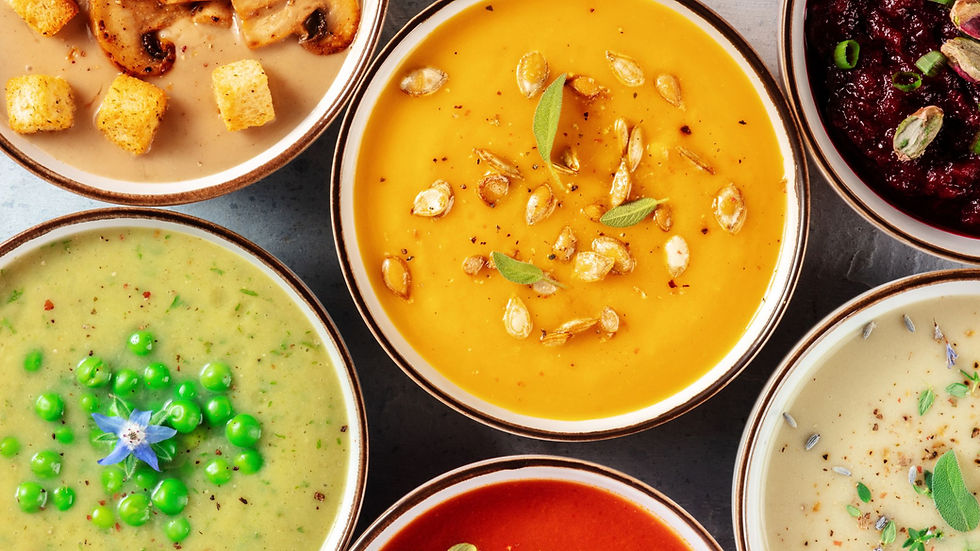
In Ayurveda, food is medicine, and your diet can be one of the most powerful tools for restoring harmony in the body.
For individuals experiencing Mast Cell Activation Syndrome (MCAS) symptoms, the focus is on supporting digestion, calming inflammation, and minimizing triggers that overstimulate mast cells.
By choosing foods that are gentle on the digestive system and nourishing for the tissues, you can help your body regain balance and resilience.
Warm, freshly prepared meals are often easier to digest than cold or processed foods, aligning with the Ayurvedic principle of strengthening Agni, the digestive fire.
Learn about warming foods in Ayurveda: benefits, complete food list, and how they support digestion, immunity, and MCAS symptom management.

Reducing the histamine in your diet may help manage MCAS symptoms, although there is no special diet universally recommended; a low‑histamine approach is often suggested to help reduce symptom triggers. ([Patient & Families Guide by University of Wisconsin Health]
Avoiding foods known to be high in histamine and other potential inflammatory triggers—such as aged cheeses, fermented foods, processed meats, and alcohol—is often part of dietary management strategies used to reduce mast cell activation and symptom flares in mast cell disorders. (NIH)
Saumya Tip: Keeping a food and symptom journal is recommended. Tracking what you eat alongside your body’s responses helps identify personal triggers and supports a truly individualized Ayurvedic dietary plan for MCAS. |

Top Ayurvedic Herbs for MCAS: Natural Support for Mast Cell Activation
Ayurveda offers a rich herbal tradition to help restore dosha balance, soothe the digestive system, calm inflammation, and support the nervous system—all essential for managing Mast Cell Activation Syndrome (MCAS).
These herbs are most effective when used under the guidance of a qualified Certified Ayurvedic Practitioner, ensuring they are tailored to your unique constitution and needs.
Turmeric (Curcuma longa)
Turmeric is a cornerstone of Ayurvedic healing, cherished for its anti-inflammatory and antioxidant properties.
Benefits may include:
Supporting a healthy inflammatory response
Promoting liver detoxification and cleansing
Enhancing digestive function
In Ayurveda, turmeric is often paired with black pepper and healthy fats like ghee or coconut oil to enhance absorption, making its healing power even more effective.
Guduchi (Tinospora cordifolia)
Guduchi, sometimes called the “divine herb of longevity,” is a vital ally for immune support.
Traditionally, Guduchi is used to:
Promote immune regulation and balance
Reduce inflammatory reactions
Support resilience during chronic health challenges
For individuals experiencing immune hypersensitivity, Guduchi can be a gentle yet powerful way to help the body regain harmony.
Experimental research has investigated Guduchi for potential mast cell-stabilizing and immune-modulating effects.
This Ayurvedic herb supports immune balance, calms inflammation, and soothes MCAS symptoms naturally.
Including Guduchi as part of a personalized Ayurvedic treatment plan for MCAS can help strengthen digestion, reduce hypersensitivity, and promote overall wellness. (Taylor and Francis)
Licorice Root (Glycyrrhiza glabra)
Licorice is celebrated for its soothing, nourishing qualities, particularly for the digestive and respiratory systems.
Potential benefits include:
Calming digestive irritation
Supporting adrenal function and stress adaptation
Reducing inflammatory responses
Caution: Those with high blood pressure should consult a practitioner before using licorice regularly.
Ashwagandha (Withania somnifera)
Ashwagandha is an adaptogenic herb renowned for supporting stress resilience and nervous system balance.
Benefits may include:
Supporting adrenal health and hormonal balance
Enhancing stress tolerance
Promoting restorative, deep sleep
Because stress can exacerbate mast cell activation, incorporating Ashwagandha can be a gentle, natural way to calm the nervous system, which is essential for long-term healing and overall wellness.
Sitopaladi Churna demonstrated significant protection against mast cell degranulation in experimental studies, providing scientific support for traditional Ayurvedic approaches to allergic and immune-related conditions. (NIH)
Note on Herbs: Which Ayurvedic herbs are right for you depends on your Prakruti, Vikruti, climate, season, and stage of life. Herbs listed here are for educational purposes only and are not a substitute for personalized treatment.
Taking the wrong herb can increase doshic imbalances, so a comprehensive Ayurvedic consultation is essential to determine your unique doshic profile and create a personalized herbal plan tailored specifically to you.

Ayurvedic Lifestyle Practices for MCAS: Calm Mast Cells and Restore Balance
Healing extends beyond what you eat or the herbs you take.
The way you structure your days, manage stress, and move your body plays a profound role in calming mast cell activation and restoring balance.
Ayurveda teaches that harmony in digestion, immunity, and the nervous system comes from aligning your daily routines with your body’s natural rhythms.
1. Embrace a Consistent Daily Rhythm (Dinacharya)
A predictable daily schedule helps stabilize digestion, support hormone balance, and soothe the nervous system—all of which are essential for individuals experiencing MCAS symptoms.
Saumya Ayurveda Recommendations:
Eat meals at regular times to strengthen Agni, the digestive fire
Sleep before 10–11 pm, allowing deep restorative rest for mind and body
Wake at a consistent time each morning to align with natural circadian rhythms
Take gentle pauses between tasks to avoid overstimulation and support mental clarity
Even subtle adjustments, like a calming evening ritual and mindful morning routine, can reduce sensitivity to food triggers and environmental stressors.
2. Stress Management and Nervous System Support
Stress is a major trigger for mast cell activation, and chronic stress can amplify inflammation. Ayurveda offers gentle tools to calm the mind and regulate the nervous system.
Effective practices include:
Abhyanga (Daily Self-Massage): Warm sesame nourishes tissues, calms Vata, and supports circulation
Meditation and Diaphragmatic Breathing: Daily practice, even 5–10 minutes, reduces sympathetic nervous system overdrive
Journaling: Reflecting on triggers, emotions, and experiences helps release mental tension and identify patterns
Digital Detox: Limiting screens as the sun sets supports restful sleep, reduces overstimulation, and helps prevent circadian rhythm disruption..

3. Breathing and Pranayama Practices
The breath is a direct bridge between the mind, nervous system, and immune response.
Gentle, mindful breathing can soothe mast cells, reduce inflammation, and enhance digestive and nervous system harmony.
Recommended techniques:
Diaphragmatic Breathing: Encourages relaxation and lowers stress hormone levels
Alternate Nostril Breathing (Nadi Shodhana): Balances energy channels and calms Vata
Gentle Exhalation Focus: Extending the exhale helps reduce sympathetic nervous system dominance
4. Mindful Movement
Movement that is gentle, grounding, and consistent supports circulation, hormone balance, and nervous system stability without overstimulating mast cells.
Saumya Ayurveda Suggestions:
Walking in Nature: Gentle, mindful walks connect you with natural rhythms and reduce stress. Being near flowing water is especially soothing.
Yogaasanas: Focus on calming postures like Supta Baddha Konasana (Reclined Bound Angle Pose) or Śavāsana
Tai Chi or Qigong: Slow, flowing movements support energy balance and reduce nervous system hyperactivity
5. Gentle Detoxification and Rest
Ayurveda emphasizes rest and restoration as part of healing, especially for conditions involving immune hypersensitivity.
Take short restorative breaks during the day
Allow your body to fully digest meals before engaging in strenuous activity
Incorporate seasonal routines (Ritucharya) to naturally support detoxification and immunity
Saumya Wisdom: Healing MCAS is not about perfection—it’s about creating a lifestyle that gently nurtures digestion, calms the nervous system, and reduces inflammation. By combining diet, herbs, daily routines, breathing practices, and mindful movement, the body gradually learns to respond with balance rather than hyper-reactivity.
📌 Save or Print This ChecklistPrint this checklist and hang it on your refrigerator, bathroom mirror, pantry door, or another place you'll see each day. You can also save it for easy reference whenever you need a gentle reminder. Ayurveda reminds us that healing is built through small, consistent daily choices—not perfection. Over time, these simple habits can strengthen digestion, calm the nervous system, and support greater balance and resilience. |

MCAS Daily Routine Checklist
A Simple Ayurvedic Daily Routine for Supporting MCAS
Healing rarely comes from one food, one herb, or one supplement. More often, it comes from the small choices you make consistently every day.
This simple Ayurvedic routine supports healthy digestion, a balanced nervous system, and overall resilience—three important foundations for people living with MCAS.
☀ Morning
☐ Drink a glass of warm water upon waking.
☐ Eat a nourishing breakfast if appropriate for your constitution and appetite.
☐ Practice 5–10 minutes of diaphragmatic breathing and guided meditation to calm the nervous system before beginning your day.
☐ Step outside for at least minutes of natural morning light when possible.
🌿 Afternoon
☐ Enjoy your largest meal around midday, when digestion is naturally strongest.
☐ Eat mindfully without rushing or multitasking.
☐ Take a 10–15 minute gentle walk after lunch if energy allows.
☐ Pause for a few slow, deep breaths before returning to work or daily responsibilities.
🌙 Evening
☐ Eat an early, easy-to-digest dinner.
☐ Reduce screen time and create a calming evening routine.
☐ Practice gentle stretching, restorative yoga, or quiet breathing to help your body unwind.
☐ Enjoy Abhyanga (Ayurvedic self-oil massage) when appropriate, especially during times of increased stress or Vata imbalance.
☐ Aim for a consistent bedtime that allows adequate restorative sleep.
Remember
You don't need to do everything perfectly. Choose one or two practices to begin with and build gradually. Ayurveda recognizes that small, consistent habits often create the greatest long-term transformation.
Every positive choice is a step toward supporting digestion, calming the nervous system, and helping your body regain balance.

Seven Common Mistakes People Make When Managing MCAS
Living with Mast Cell Activation Syndrome (MCAS) can feel overwhelming, especially when conflicting advice is everywhere.
It's natural to want quick relief, but lasting improvement often comes from building a strong foundation rather than searching for a single food, herb, or supplement.
Here are seven common mistakes that can slow healing.
1. Eating Only Cold or Raw Foods
Although raw foods are often considered healthy, they can be difficult to digest for many people with weakened Agni. Ayurveda generally favors warm, freshly prepared meals that are easier to digest and better support overall health.
2. Constant Snacking
Frequent eating may not allow enough time for one meal to be fully digested before the next begins. Allowing appropriate time between meals helps support healthy digestion and gives Agni time to do its work.
3. Taking Herbs Without Individual Guidance
There is no universal herbal protocol for MCAS. Herbs should be selected according to your constitution, digestive strength, symptoms, medications, and overall health—not simply because they worked for someone else.
4. Focusing Only on Trigger Foods
Avoiding foods that worsen symptoms can be helpful, but food is only one piece of the puzzle. Digestion, stress, sleep, lifestyle, and nervous system health all influence how the body responds over time.
5. Restricting Too Many Foods
Eliminating large numbers of foods without professional guidance can make it difficult to obtain adequate nutrition and may create unnecessary stress around eating. Whenever possible, the goal is to build a nourishing, sustainable diet rather than continually narrowing food choices.
6. Chasing Supplements Instead of Building Healthy Foundations
Supplements may have a place, but they cannot replace the fundamentals of health. Nourishing meals, restorative sleep, stress management, healthy digestion, regular movement, and consistent daily routines create the foundation upon which healing is built.
7. Expecting Healing to Happen Overnight
MCAS often develops over months or years, and healing usually follows a similar path. Small, consistent improvements in digestion, sleep, resilience, and daily habits often produce the most meaningful long-term results.
Ayurveda recognizes that no two people with MCAS are exactly alike. Rather than following a one-size-fits-all protocol, treatment is individualized to address your unique constitution, digestive health, lifestyle, symptoms, and underlying patterns of imbalance.
By focusing on the whole person—not just the diagnosis—Ayurveda aims to support lasting balance and resilience.
Lifestyle Practices for MCAS: Ayurvedic Support for Digestion, Immunity, and Nervous System Balance
Daily Practice | What to Do | Why It Helps MCAS |
Daily Rhythm | Eat meals at regular times, sleep before 10–11 pm, wake consistently | Supports Agni, calms Vata, promotes immune balance |
Stress Reduction | Abhyanga, meditation, journaling, reduce screen time | Calms the nervous system and helps reduce mast cell activation |
Breathwork/Pranayama | Diaphragmatic breathing, Nadi Shodhana, slow exhalations | Supports vagal tone, gut-brain communication, and relaxation |
Gentle Movement | Walking, restorative yoga, Tai Chi, Qigong | Improves circulation without overstimulating the body |
Rest & Seasonal Care | Rest after exertion, allow meals to digest, follow seasonal routines | Supports tissue repair, resilience, and healthy detoxification |
Free Download: Save this Daily Ayurveda Lifestyle Guide for MCAS as a printable checklist so you can easily incorporate these practices into your routine.

Saumya Tip: Small, consistent lifestyle changes—like a calming evening routine, diaphragmatic breathing breaks, or a gentle morning walk—can make a meaningful difference in reducing mast cell reactivity and promoting lasting balance.

Ayurvedic Detox for MCAS: Gentle Ways to Reduce Inflammation and Toxins
In Ayurveda, detoxification is not about harsh cleanses or quick fixes—it’s about gently supporting the body’s natural ability to clear toxins (Ama) and restore balance.
For individuals with MCAS, a thoughtful, gradual approach can help reduce inflammation, support digestion, and ease immune hypersensitivity.
Simple, Gentle Ways to Support Detoxification
Sip warm water throughout the day: Warm water helps gently flush toxins, supports digestion, and keeps metabolism steady.
Favor freshly prepared meals: Fresh, lightly cooked foods are easier to digest and nourish the body without overloading the digestive system.
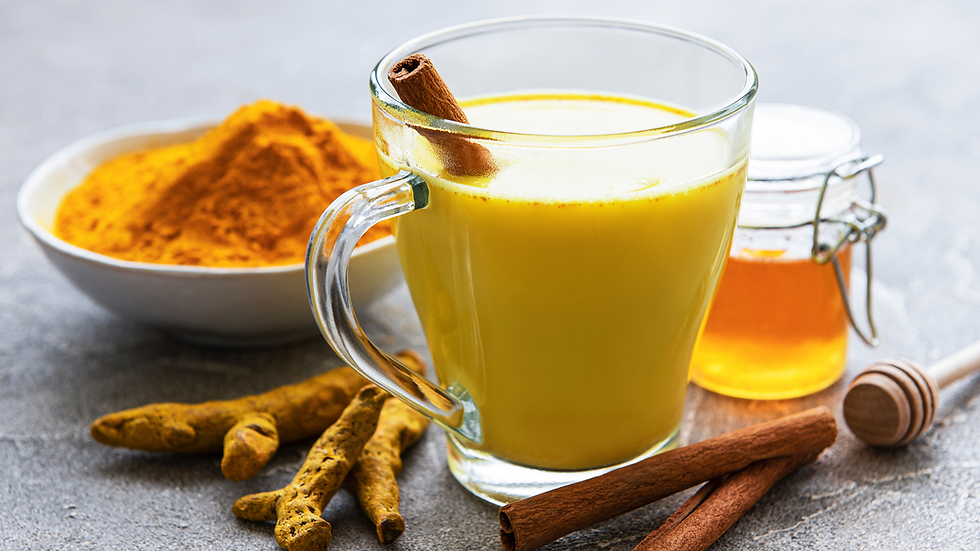
Incorporate digestive spices: Gentle spices like turmeric, coriander, fennel, and ginger can enhance digestion, promote toxin elimination, and calm inflammation.
Support liver health: Herbs such as Guduchi, turmeric, and small amounts of neem (under practitioner guidance) help the liver process and clear metabolic residues.

Personalized Ayurvedic MCAS Treatment: Tailored Diet, Herbs, and Lifestyle
Ayurveda honors the wisdom that each body is unique. One of the foundational principles of Ayurveda is that every individual has a distinct constitution (Prakriti) and a unique pattern of imbalances (Vikriti).
For individuals with Mast Cell Activation Syndrome (MCAS), this means that triggers, symptoms, and responses to treatment can vary widely.
What helps one person feel balanced may not work for another. That’s why a personalized, root-cause approach is essential.
How a Certified Ayurvedic Practitioner Guides Individualized Care
A skilled practitioner considers multiple factors to understand the body’s current state and guide healing:
Digestive strength (Agni): How efficiently the body processes food and absorbs nutrients
Dosha balance: Identifying which dosha(s) may be aggravated, such as Vata-related nervous system sensitivity
Stress patterns: Emotional and mental triggers that may worsen mast cell activation
Sleep quality: Restorative sleep is vital for immune and nervous system regulation
Diet history: Understanding foods that support or aggravate digestion and immune response
Toxins (Ama): Assessing metabolic residues, environmental toxins, and lifestyle factors
Saumya Insight: By evaluating these individual factors, an experienced Ayurvedic practitioner can craft a personalized plan—combining diet, herbs, lifestyle practices, and gentle detoxification—to restore balance, reduce mast cell reactivity, and support long-term well-being.
Personalized care is not just about symptom management; it’s about nurturing the whole person—body, mind, and nervous system—so that true dosha balance and resilience can return naturally.
Integrative MCAS Care: Combining Ayurveda with Conventional Treatments
Ayurveda honors the value of both ancient wisdom and modern medicine. Many people with Mast Cell Activation Syndrome (MCAS) find that combining Ayurvedic care with conventional medical treatment offers a more comprehensive approach to healing.
While conventional therapies may help manage symptoms, Ayurveda focuses on supporting the body's underlying balance by strengthening digestion (Agni), calming the nervous system, reducing the body's inflammatory burden, and promoting long-term resilience.
Saumya Insight: Working closely with qualified healthcare providers—both Ayurvedic and conventional—helps ensure that your care is safe, coordinated, and personalized.
Integrative care is not simply about adding therapies; it's about creating a thoughtful plan that supports your body's natural healing capacity while respecting the strengths of both medical systems.
Current clinical guidance also supports personalized treatment plans that combine conventional therapies—such as antihistamines and mast cell stabilizers—with appropriate dietary, lifestyle, and complementary approaches when suitable.
Guidelines recommend personalized plans that address both medical and complementary approaches. (NIH)

Continue Your Ayurveda Knowledge Journey
MCAS healing doesn't happen in isolation. Many people find it helpful to better understand the Ayurvedic principles that support digestion, reduce inflammation, calm the nervous system, and build long-term resilience.
Explore these related resources to deepen your knowledge and support your healing journey.
1. Learn the Foundations of Ayurveda
Understanding Ojas: Ayurveda's Guide to Lasting Vitality, Energy & Resilience
What Is Prakriti vs. Vikriti? Understanding Your Ayurvedic Constitution and Current Imbalance
The Five Elements in Ayurveda: Understanding Yourself Through Nature
The Three Malas: Ayurveda’s Guide to Healthy Elimination, Digestion & Balance
2. Build a Strong Foundation
3. Better Understand Your Unique Constitution
4. Support Your Vitality Naturally
How to Do Abhyanga Massage at Home: Benefits, Oils, and Step-by-Step Guide
Why Seasonal Transitions Matter for Ojas: An Ayurveda Guide to Immunity and Resilience (Coming Septemner 2026)
5. Explore Common Health Challenges Through an Ayurvedic Lens
Our Commitment to Accessible Ayurveda Education
At Saumya Ayurveda, we believe Ayurveda's timeless wisdom belongs to everyone—not just those who can afford it. That's why we're committed to making high-quality, authentic Ayurveda education freely available to people around the world.
Whether you're just beginning your journey or looking to deepen your understanding, we invite you to explore our growing collection of free educational resources, including:
Free Ayurveda eBooks filled with practical guidance and seasonal wisdom.
Educational blog articles covering a wide range of Ayurvedic health topics.
Monthly educational newsletter featuring practical tips, seasonal insights, and wellness guidance.
Free guided Traditional Progressive Meditation System to help cultivate inner peace, clarity, and wellbeing.
Our mission is simple: to help you bring Ayurveda's practical wisdom into your daily life—one step at a time. Accessible. Authentic. Free. Just as it was meant to be.

Frequently Asked Questions: MCAS and Ayurveda
What is Mast Cell Activation Syndrome (MCAS)?
Mast Cell Activation Syndrome (MCAS) is a condition in which mast cells release inflammatory chemicals, such as histamine, too frequently or inappropriately. This can cause digestive problems, skin reactions, fatigue, headaches, brain fog, and symptoms affecting multiple body systems.
Can Ayurveda support the natural management of MCAS?
Ayurveda does not treat MCAS as a single disease. Instead, it seeks to identify underlying imbalances involving digestion (Agni), Ama, the doshas, and the nervous system. A personalized plan may include diet, herbs, daily routines, and lifestyle practices that support overall balance alongside conventional medical care.
What foods are best for an Ayurvedic MCAS diet?
Many people with MCAS benefit from warm, freshly prepared meals, easy-to-digest vegetables, gluten-free grains, healthy fats, mild spices, and fresh herbs. Ayurveda emphasizes strengthening digestion rather than relying on restrictive diets alone.
Which foods commonly trigger MCAS symptoms?
Potential triggers may include aged or fermented foods, processed foods, alcohol, and other foods high in histamine. Because triggers vary widely, Ayurveda recommends an individualized approach rather than a one-size-fits-all diet.
Which Ayurvedic herbs are commonly used for MCAS?
Turmeric, Guduchi, Licorice Root, and Ashwagandha are among the Ayurvedic herbs that may support people with MCAS. Because herbs should be matched to an individual's constitution, digestion, and current imbalances, they should be selected under the guidance of an experienced Certified Ayurvedic Practitioner.
Is MCAS the same as histamine intolerance?
No. Histamine intolerance and MCAS can produce similar symptoms, but they are different conditions. Histamine intolerance primarily involves difficulty breaking down histamine, while MCAS involves inappropriate activation of mast cells that release histamine and other inflammatory mediators.
Can someone have both MCAS and histamine intolerance?
Yes. Some people experience both conditions at the same time. While histamine intolerance involves difficulty breaking down histamine, MCAS involves excessive release of histamine and other inflammatory chemicals from mast cells. Because symptoms often overlap, an individualized evaluation can help identify the factors contributing to your symptoms and guide an appropriate treatment plan.
Why does Ayurveda focus on digestion for MCAS?
Ayurveda considers healthy digestion (Agni) to be the foundation of health. When digestion becomes impaired, Ama may accumulate and contribute to immune imbalance, inflammation, and increased sensitivity throughout the body.
Can stress make MCAS symptoms worse?
Yes. Chronic stress and nervous system dysregulation may contribute to increased mast cell activation in some individuals. Ayurveda emphasizes practices such as diaphragmatic breathing, Abhyanga (Ayurvedic self-oil massage), restorative sleep, and consistent daily routines to help calm Vata and support nervous system resilience.
Is there one Ayurvedic treatment that works for everyone with MCAS?
No. Ayurveda is individualized. Two people with MCAS may have different dosha imbalances, digestive strength, and contributing factors. As a result, diet, herbs, and lifestyle recommendations should always be personalized to the individual rather than based on a one-size-fits-all approach.
When should I see an Ayurvedic practitioner for MCAS?
If you're experiencing persistent digestive issues, food sensitivities, skin reactions, fatigue, or other symptoms suggestive of MCAS, an experienced Certified Ayurvedic Practitioner can assess your unique constitution, digestion, and lifestyle to develop a personalized plan that complements your conventional medical care.

Glossary of Ayurvedic Terms
Abhyanga
A traditional Ayurvedic warm oil self-massage that nourishes the skin, calms the nervous system, supports circulation, and helps promote relaxation and resilience. How to Do Abhyanga Massage at Home: Benefits, Oils, and Step-by-Step Guide
Agni (Digestive Fire)
The body's digestive and metabolic intelligence that transforms food into nourishment and energy. Strong Agni is considered the foundation of healthy digestion, immunity, and overall well-being.
Ama
A sticky, toxic byproduct of incomplete digestion that forms when Agni is weakened. In Ayurveda, Ama is believed to contribute to inflammation, congestion, and chronic disease.
Dinacharya
An Ayurvedic daily routine that aligns eating, sleeping, movement, and self-care with the body's natural rhythms to support long-term health. Ayurvedic Lifestyle Practices: How to Build an Ayurvedic Morning Routine
Dosha
One of the three biological energies—Vata, Pitta, and Kapha—that govern every aspect of physical and mental function. Each person has a unique combination of all three doshas.
Nadi Shodhana
Also called alternate nostril breathing, this calming pranayama practice helps regulate the nervous system, reduce stress, and promote mental clarity.
Ojas
The body's deepest reserve of vitality, resilience, and immunity. Ojas is built through healthy digestion, nourishing foods, restorative sleep, balanced emotions, and a supportive lifestyle.
Pitta
The dosha composed of fire and water. Pitta governs digestion, metabolism, body temperature, and transformation. When out of balance, it may contribute to heat, inflammation, irritability, and skin sensitivity.
Pranayama
Yogic breathing techniques that strengthen the connection between the breath, nervous system, and mind. Regular pranayama can help reduce stress and support overall health.
Ritucharya
Ayurveda's seasonal lifestyle recommendations that help maintain balance as the weather, environment, and body change throughout the year.
Ritucharya: Ayurveda Seasonal Tips for Enhanced Wellbeing
Vata
The dosha composed of air and space. Vata governs movement, circulation, communication, and the nervous system. When aggravated, it may contribute to anxiety, irregular digestion, bloating, dry skin, and heightened sensitivity.
Vikriti
A person's current state of imbalance. Unlike your natural constitution (Prakriti), Vikriti reflects how lifestyle, diet, stress, environment, and illness are affecting your health today.

Final Thoughts: Healing MCAS Naturally: Ayurvedic Diet, Herbs, and Lifestyle for Lasting Balance
Living with Mast Cell Activation Syndrome (MCAS) can feel overwhelming at times, but Ayurveda reminds us that true healing comes from restoring balance at the root—not just managing symptoms.
By focusing on gentle, holistic strategies—strengthening digestion, calming the nervous system, and supporting immune balance—individuals can gradually cultivate resilience, reduce flare-ups, and enhance overall well-being.
The Ayurvedic path encourages small, sustainable steps:
Nourishing, easily digestible foods that support Agni and reduce inflammation
Targeted herbal support to soothe mast cells and strengthen tissues
Mindful daily routines that align with your body’s natural rhythms
Compassionate self-care to calm Vata and nurture the nervous system
Over time, these practices help restore harmony within the body, creating a strong foundation for long-term health, vitality, and inner calm.
Lasting healing rarely comes from finding one perfect herb or eliminating one perfect food. It comes from patiently restoring the foundations of health—digestive strength, nervous system resilience, balanced immunity, and daily habits that support the body's natural ability to heal.

What Our Clients Say | Saumya Ayurveda Testimonials
Real Transformations Through Ayurveda Consultation
Physician Testimonial (Medical Endorsement)
“As a physician, I have always believed that prevention is better than cure. In today’s healthcare environment, Ayurveda offers a logical and natural approach to long-term health and prevention.
I began working with Veena during a very demanding phase of my life, and she made the process accessible even within my busy schedule. I was encouraged to follow a steady, sustainable approach focused on real lifestyle change.
Over time, I experienced meaningful improvements in balance, energy, and well-being. In my medical practice, I now see many patients with similar stress- and diet-related imbalances, which has further reinforced my trust in Ayurvedic principles.
I have since referred several patients to Saumya Ayurveda and consider Veena a valuable resource in supporting holistic well-being.”
Dr. Gauri Nagargoje
M.D., Oncology & Hematology
Physician Testimonial (Medical Endorsement)
“As a physician, I initially struggled with Ayurveda’s simplicity and depth, but Veena’s guidance made it practical, scientific, and deeply effective.
Veena has transformed my health and perspective on healing. I experienced significant improvements in focus, digestion, stress response, and overall vitality.
Her personalized approach made lifestyle changes easy and sustainable.
This journey not only improved my health but also inspired a lifelong commitment to integrating Ayurveda into holistic healthcare.”
Dr. Jessica Bedi
D.O., & Ayurvedic Doctor


Anne R., Minneapolis, Minnesota USA
Explore more client success stories from Saumya Ayurveda and see how Ayurveda supports healing, balance, and transformation.

Discover the Saumya Ayurveda Way
Ayurveda begins with seeing the whole person.
At Saumya Ayurveda, symptoms are not viewed in isolation. Ayurveda looks at the relationship between digestion, elimination, sleep, stress, energy, daily rhythms, mind, stage of life, season, climate, constitution, and current dosha imbalances to understand the patterns that influence how you feel.
When health concerns persist, it can be frustrating to feel that individual symptoms are being addressed without understanding the bigger picture. Ayurveda offers another way—one that asks not only “What is the symptom?” but also “What are the body and mind communicating?”
Personalized Ayurveda, Rooted in Tradition
Saumya Ayurveda combines classical Ayurvedic principles with practical guidance for modern life. Your Ayurveda plan is based on your individual prakriti (natural constitution), virkriti (current imbalances of the doshas), lifestyle, and circumstances—not a generic dosha checklist or one-size-fits-all protocol.
The goal is not to overwhelm you with rules. It is to help you understand your own body and mind, and make sustainable changes that fit naturally into your life, informed by the wisdom of Ayurveda.
For those who want ongoing support, concierge-style Ayurveda consultation packages provide personalized guidance, thoughtful follow-up, and practical tools to help turn Ayurvedic principles into everyday habits.
Education First. Personalized Guidance When You Need It.
Veena takes an education-first, client-centered approach. At Saumya Ayurveda, our favorite product is knowledge. You won’t find education built around selling a supplement, herb, or wellness product. Instead, you’ll find traditional Ayurvedic perspectives, practical guidance, and timeless principles that help you better understand your body, mind, and unique constitution.
When understanding deepens, better choices naturally follow.
For those who want ongoing support, Saumya Ayurveda consultation packages provide personalized guidance, thoughtful follow-up, and practical tools to help turn Ayurvedic principles into everyday habits.
Learn. Observe. Understand. Transform.
Begin your Ayurveda journey with a free 15-minute Discovery Call with Veena and explore whether personalized Ayurvedic guidance is right for you.

MEET VEENA: YOUR TRUSTED AYURVEDIC GUIDE FOR CLIENTS WORLDWIDE
Veena Blilie is a Certified Ayurvedic Practitioner, Ayurveda teacher, meditation guide, and monk with over three decades of experience helping clients worldwide achieve greater balance and well-being through Ayurveda.
As founder of Saumya Ayurveda and President Emeritus of the Meditation Center, Veena serves clients worldwide through personalized Ayurvedic wellness guidance, meditation, and yoga practices.
Saumya Ayurveda has been recognized as the #1 Ayurveda cooking blog and the #3 Ayurveda website and blog and has received multiple consecutive awards for best wellness practice.
Through her work, Veena shares practical Ayurvedic guidance, nourishing recipes, and wellness education for modern living.
Inspired from an early age by learning herbal remedies, food as medicine, and traditional healing practices at her grandmother’s knee, Veena combines traditional Ayurvedic wisdom with compassionate, accessible guidance that supports mental, physical, and spiritual well-being.
Known for her warmth, humor, intuitive approach, and accessible style, Veena empowers people to create sustainable health through personalized Ayurvedic wellness plans designed to fit naturally into everyday life.
Veena is also the author of several free Ayurveda eBooks and writes the educational articles published on the Saumya Ayurveda blog.
As seen in:
Voice America
Albuquerque The Magazine
Learn more about Veena and her work through Saumya Ayurveda.
Disclaimer: This information is for educational purposes only and is not a substitute for professional medical advice. Ayurveda works best when tailored to your unique doshic profile, so it’s essential to understand your constitution and imbalances before using herbs, foods, or lifestyle practices. Consult a Certified Ayurvedic Practitioner for personalized guidance.