


Vata Balancing Recipes: Our Favorite Grounding Ayurvedic Dishes

Updated: Sep 14
Feeling anxious, scattered, dry, bloated, cold, or emotionally overwhelmed? According to Ayurveda, these may be signs of a Vata imbalance — a common condition caused by excess movement, stress, irregular routines, travel, cold weather, or overstimulation.
Because Vata is light, dry, cold, and mobile by nature, balance is restored through foods that are warm, grounding, nourishing, and easy to digest.
One of the most effective ways to calm excess Vata is through comforting Ayurvedic meals made with cooked vegetables, healthy fats, warming spices, soups, stews, curries, and nourishing grains. These foods help support digestion (Agni), calm the nervous system, improve hydration, and promote a greater sense of stability and well-being.
From comforting kitchari to warming curries and sweet morning “soupies,” this collection of Vata balancing recipes is designed to help ground, soothe, and nourish both body and mind naturally. Keep this guide close and return often for new Ayurvedic dishes that support lasting balance and vitality.
Bonus: Free Ayurvedic Recipe eBooks.

In Ayurveda, food is medicine, and every meal is a chance to balance body, mind, and spirit. For Vata dosha—light, dry, and easily scattered—that means choosing meals that are warm, moist, grounding, and gently spiced. When you bring those qualities to the table, digestion steadies, energy becomes more consistent, and calm replaces restlessness
This guide gathers our most trusted, time-tested (and delicious!) Vata-balancing recipes, organized to make your daily cooking simple and nourishing:
🌅 Breakfasts that ground your mornings
🍲 Soups & stews that comfort digestion
🌿 Kitchari variations for deep balance and seasonal resets
🥗 Hearty mains built on roots, grains, and plant proteins
Each recipe follows Ayurveda’s principle that opposites heal: sweet, sour, and salty tastes; healthy oils; and cooked vegetables to counter Vata’s cold, dry, and mobile nature.
👉 New to Ayurveda? This guide will walk you through the key principles of eating to balance Vata before you dive into the recipes. Grounding Foods for Vata Dosha.

Vata Breakfast Recipes: Warm, Moist, and Unhurried
Mornings set the tone for your nervous system. For Vata, breakfast should be warm, creamy, and grounding—never rushed, never cold. Porridges, “soupies,” and softly spiced sautés are ideal: think sweet potatoes, carrots, oats, or rice enriched with a spoon of ghee and digestive spices.
Savory Ayurveda Vata Breakfast: This simple one-pan breakfast blends sweet potato, carrots, and gentle spices like cumin, fennel, and cardamom. Warm, moist, and grounding—this dish helps you start the day steady and nourished, especially during Vata season.
Ingredients:
1 medium sweet potato, baked whole or diced (skin on to preserve nutrients)
1 cup carrot coins, thinly sliced (rainbow carrots add color)
½ tsp cumin powder
½ tsp fennel seed powder
½ tsp cardamom powder
¼ tsp Red Alaea Hawaiian Salt
½ tbsp ghee
¼–½ cup water
Optional toppings: whole fat unsweetened yogurt, roasted nuts or seeds
Instructions:
Warm ghee in a pan over low–medium heat.
Stir in spices until aromatic (when you smell something heavenly, it's time to add your veggies)
Add sweet potato (or drizzle spice-ghee over a baked one).
Stir in carrots, coating with spices.
Add ¼ cup water, cover, and steam 5 minutes. Add more water as needed.
Continue cooking, covered, on low 5–10 minutes until tender.
Creamy Oat Vanilla Porridge: Oats are grounding, nutrient-dense, and support the nervous system, making them an excellent choice for Vata dosha. Lightly spiced and creamy, this porridge is simple to prepare and deeply sustaining.
Ingredients:
1 cup rolled oats
2 cups water or milk (dairy or plant-based)
1 mashed banana
1 tsp vanilla extract
1 tbsp chia seeds (optional)
Dash of nutmeg, cinnamon, and cardamom
Optional toppings: roasted nuts and seeds
Instructions:
Simmer oats in water or milk.
Stir in banana, vanilla, and spices.
Cook 5–7 minutes until creamy.
Add chia if using; rest 1 minute.
Top with nuts or seeds.
✨ Unlike cold smoothies or bars that aggravate Vata, this warm bowl hydrates, nourishes, and provides steady morning energy.
Sweet Spiced Rice Porridge: This soothing porridge blends the hydrating stability of rice with warming spices like cinnamon and ginger – a perfect antidote to Vata’s light, scattered qualities. Creamy and gently sweet, it’s a nourishing way to start the day grounded and energized.
Ingredients:
1 cup cooked basmati rice
2 cups warmed almond milk
1 tbsp ghee or coconut oil
Handful of raisins (simmered to plump)
1 tsp cinnamon (Vata can use more)
½ tsp ginger (Vata can use more)
Pinch of mineral salt
1 tbsp honey or maple syrup (optional)
Optional toppings: chopped roasted nuts (almonds, cashews, walnuts)
Instructions:
Warm rice, almond milk, ghee, raisins, and spices in a saucepan.
Simmer gently until creamy.
Sweeten with honey or maple syrup.
Top with nuts and serve.
✨ A grounding choice for busy mornings when Vata needs nourishment without overstimulation.
Vata Fruit Soupie (Breakfast Fruit Soup): Cooked fruit, gently spiced, offers Vata a hydrating and naturally sweet start to the day. This Ayurvedic "soupie" replaces cold smoothies with something warmer, more digestible, and balancing.
Ingredients:
1 ripe banana (or seasonal Vata fruits: pear, apple, mango, papaya, berries)
½ tsp cinnamon
½ tsp cardamom
½ tsp ginger
Pinch of Red Alaea Hawaiian salt
1 tsp ghee (optional, reduce if cholesterol is a concern)
½ cup water
Optional toppings: nuts, seeds, or whole-fat yogurt
Instructions:
Warm ghee in a small pan; sauté spices until fragrant.
Add fruit and water; simmer gently.
Eat warm, or let cool slightly and blend to a smooth consistency.
✨ Treat this as an eating meditation—slow down, taste each bite, and let warmth ground the airy qualities of Vata.
🌿 Veena Says: Eat breakfast seated, in calm awareness, to help Vata digestion work at its best. Even a few deep breaths before your meal can transform breakfast into a nourishing morning meditation.
Want more ideas to start your day the Ayurvedic way? Check out: 6 Ayurvedic Vata Breakfast Porridges

Vata Soup Recipes: Soothe the Stomach and Spirit
In Ayurveda, a bowl of soup is medicine during Vata season. Its warmth, moisture, and softness directly counter Vata’s cold, dry, and light qualities. When vegetables are cooked until tender and blended with healthy oils or coconut milk, soups become easy to digest while deeply nourishing.
“The wise and the learned believe that food and beverages that possess apt colour, smell, taste and touch, taken in the right quantity, at the right time, season and location, are a source of life and vitality for all living beings.” — Charaka Samhita, Sutra Sthana 27.3
Ginger Carrot Turmeric Soup: A golden blend of carrots, squash, and warming spices, this soup is creamy, moist, and deeply grounding. Ginger and turmeric support digestion while coconut milk soothes Vata’s dryness.
Ingredients:
1–2 tbsp olive oil (Vata can use more)
2 leeks, finely sliced
1 cup fennel, chopped
3–4 cups carrots, chopped
1 cup butternut squash, chopped (or more carrots)
2 garlic cloves, minced
2 inches fresh ginger root, grated
1+ tbsp ground turmeric
1 tbsp Red Alaea Hawaiian salt
Fresh ground black pepper
3 cups vegetable broth
1 can unsweetened coconut milk
Instructions:
Heat olive oil in a soup pot; sauté vegetables 3–5 minutes.
Add ginger, garlic, turmeric, salt, and pepper; cook 2 minutes.
Stir in broth and coconut milk; bring to a boil.
Reduce heat, cover, and simmer 20 minutes.
Blend until smooth and creamy.
Garnish with fresh herbs, roasted seeds, or yogurt.
✨ A bright, warming bowl that grounds scattered Vata energy.
Quinoa Vegetable Soup: This hearty vegetable soup with quinoa and beans offers warmth, protein, and steady energy. Packed with seasonal vegetables and fiber, it’s an ideal balancing meal for Vata.
Ingredients:
4 tbsp olive oil
1–2 red onions, finely chopped
4–6 carrots, peeled and chopped
4 celery stalks, chopped
~4 cups seasonal vegetables (include leafy greens)
3–6 garlic cloves, chopped
1 large can (28 oz) diced tomatoes
1 cup quinoa, rinsed well
4 cups broth of choice
2–3 cups water
1 can (15 oz) beans (kidney or northern), rinsed
1–2 tsp lemon juice
1 tsp salt, bay leaves, pinch red pepper flakes, pepper to taste
Instructions:
Warm oil in soup pot; sauté onion, carrot, celery, and vegetables with a pinch of salt until onion is translucent.
Add garlic, tomatoes, quinoa, broth, water, and seasonings.
Bring to a boil, reduce heat, and simmer ~35 minutes.
Remove bay leaves. Stir in lemon juice and adjust seasoning.
Serve with herbs, Parmesan, or croutons.
✨ Grounding and filling, this soup sustains Vata with warmth and protein.
Mellow Mung Bean Soup: Mung beans are highly digestible and perfect for Vata. This simple, soothing soup is protein-rich yet gentle, offering stability without heaviness.
🌿 Veena Says: To deepen the benefits, use what the season provides. Autumn’s root vegetables, winter’s hearty squashes, or spring’s tender greens each bring the right qualities at the right time.
Don't worry, the soups don't stop here! Read: 8 Vata Balancing Soup Recipes

Vata Kitchari Recipes: Deep Balance and Cleansing
Kitchari is Ayurveda’s classic reset meal—soft, porridge-like, and spiced to be kind to agni (digestion). Whether it’s traditional mung + basmati or a heartier French lentil version, kitchari grounds, hydrates, and simplifies. It’s perfect during seasonal transitions, travel recovery, or anytime Vata feels scattered.
Vata Grounding Kitchari: Soft, porridge-like, and gently spiced, this classic kitchari is Ayurveda’s go-to comfort dish for Vata imbalance. Moist, oily, and warming, it soothes digestion while calming body and mind.
Ingredients:
½ cup white basmati rice
1 cup yellow split mung dal (washed and hulled)
4 cups water
3 tbsp ghee (or best oil for you)
1 tsp black mustard seeds
½ tsp cumin seeds
1+ tsp fresh grated ginger
½ tsp sea salt
2 pinches hing (asafetida)
½ tsp turmeric powder
Instructions:
Rinse rice and mung dal thoroughly, soak ~3 hours.
Warm ghee in a pot; sauté mustard seeds, cumin, ginger, hing, and turmeric for 1 minute.
Add rice and mung; stir until coated with spices.
Add 6 cups water; bring to a boil.
Reduce heat, cover, and simmer 30–45 minutes until very soft and porridge-like.
Add more water if needed to prevent sticking.
Adjust salt to taste.
✨ Simple, grounding, and deeply nourishing, this is the quintessential Ayurvedic recipe for calming Vata.
French Lentil Kitchari: This nourishing twist on classic kitchari uses hearty French lentils along with basmati rice. Hearty yet easy to digest, it balances Vata with warmth, moisture, and plenty of grounding spices.
Ingredients:
1–2 tbsp olive oil (Vata can use more) or ghee
1 cup French lentils (soaked at least 1 hour or overnight)
1 cup basmati rice, rinsed
1 tsp brown mustard seeds
2 tsp fresh grated ginger
1 tsp turmeric powder
1 tbsp coriander seeds
1 tsp fennel seeds
1 tsp cumin seeds
1 tsp good-quality salt
Fresh ground black pepper
2 cups kale, stems removed, chopped
2 cups green beans, chopped
1 tbsp tamari
Fresh cilantro, for garnish
Instructions:
Rinse lentils and rice well after soaking.
In a pot, warm ghee/oil, then sauté spices for 1 minute.
Add rice and lentils; sauté until coated.
Add vegetables and sauté 1 minute.
Stir in 6 cups water; bring to a boil.
Reduce heat, cover, and simmer 30–45 minutes until tender and porridge-like.
Season with tamari and garnish with cilantro.
✨ A heartier variation of kitchari that keeps Vata balanced while providing protein and minerals.
🌿 Veena Says: Kitchari is the crown jewel of the Ayurvedic kitchen. But its true power shines when it’s adapted to your constitution, the season, and the stage of life you’re in. The right balance of grains, legumes, and spices at the right time can be profoundly healing.
👉🏼Related Blog You’ll Love: The Ultimate Guide to Warming Foods in Ayurveda
Vata Meal Recipes: Hearty Mains to Keep You Steady
Main meals should give Vata staying power without heaviness. Think saucy curries, roasted roots, squash with Mediterranean toppings, and hearty lentil stews. These dishes provide protein, oils, and well-cooked vegetables that sustain energy through the day.
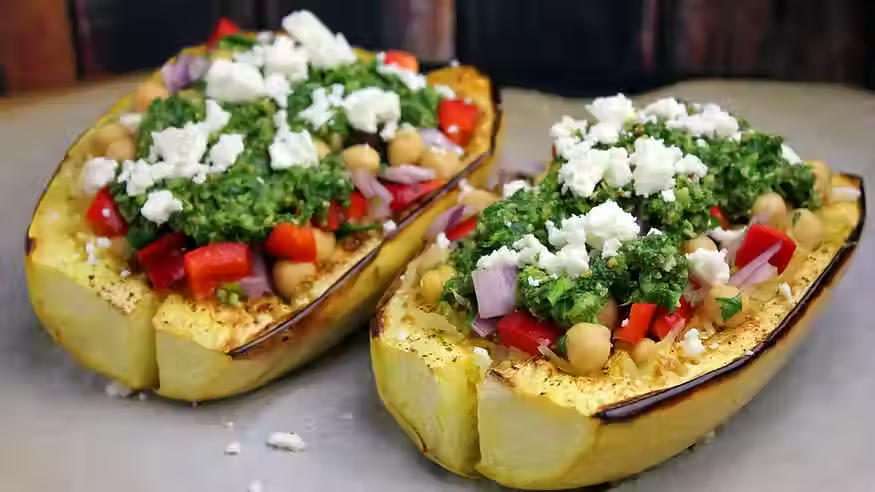
Ayurvedic Spaghetti Squash: Light, versatile, and loaded with Vata-grounding squash plus Pitta-cooling greens and Mediterranean accents. Customize toppings to your doshic picture and what’s in the pantry—think “pizza toppings,” but Ayurvedic.
Ingredients:
1 spaghetti squash
1–2 tbsp extra-virgin olive oil (Vata/Pitta can use a bit more)
Himalayan pink salt or Hawaiian Red Alaea salt
Freshly ground black pepper
1 shallot, thinly sliced
1–2 whole garlic cloves, finely chopped
1 small purple onion, finely chopped
½ tbsp minced fresh rosemary
Chile flakes (optional; light for Vata, moderate for Kapha)
½ cup chickpeas, cooked, drained, rinsed (lightly roasted if time)
Chopped kale (as much as you like; cook until tender)
1 tbsp fresh lemon juice
¼ cup sun-dried tomatoes, chopped
¼ cup kalamata olives
¼ cup marinated artichoke hearts
¼ cup toasted pine nuts (or piñon)
Optional: diced tomatoes, feta or finely grated Parmesan
Instructions:
Roast the squash. Preheat oven (or toaster oven) to 400°F. Halve squash lengthwise, scoop seeds, drizzle interiors with olive oil, salt, and pepper. Prick the skin a few times with a fork.
Bake cut-side up 30–40 minutes until strands pull away but remain pleasantly al dente (avoid overbaking to keep “spaghetti” texture). Cool slightly, then scrape strands; reserve shells as bowls if you like.
Make the topping. In a skillet over medium heat, warm a light coating of olive oil. Sauté shallot, garlic, onion, rosemary, and chile flakes (if using) until fragrant and lightly caramelized.
Add chickpeas, then kale and lemon juice; cook until kale is soft.Stir in sun-dried tomatoes, olives, and artichokes; warm through.
Assemble. Plate squash strands (or return to shells). Top with the warm mixture. Finish with pine nuts, salt, pepper, and feta/Parmesan if using.
✨ Vata tip: Favor sweet/sour/salty tastes and adequate oil for moisture. Pitta tip: Go heavier on kale and herbs; keep chiles light. Kapha tip: Go easy on oils/cheese; enjoy more bitter greens.
Vata-Grounding Curried Roots Roast: Root veggies are anti-Vata by nature—grown underground, rich in complex carbs and phytonutrients, and deeply stabilizing. This flexible roast turns a market haul into food-as-medicine with warm spices and ghee/healthy oils.
Ingredients:
~3 lbs mixed root vegetables (e.g., carrots, beets, turnips, parsnips, rutabagas), peeled and cut into ~1-inch chunks
1 small red onion, cut into 1-inch chunks
4 tbsp coconut oil, divided
1 tbsp curry powder
1 tbsp garam masala
2 tsp lemon juice
1 tbsp fresh ginger, finely chopped
1½ tsp Himalayan salt (plus more to taste)
Freshly ground black pepper
Optional garnish: shredded/desiccated coconut
Instructions:
Preheat oven to 425°F and position a rack in the middle.
On a rimmed baking sheet, toss root vegetables and red onion with 3 tbsp coconut oil; spread in an even layer.
Roast 20 minutes; remove from oven.
In a bowl, whisk 1 tbsp coconut oil with curry powder, garam masala, lemon juice, ginger, and salt to make a sauce.
Toss roasted veggies with the curry sauce to coat evenly.
Return to oven and roast 10–15 minutes more, until tender and edges are caramelized.
Season to taste; garnish with coconut and serve hot.
✨ Make it yours: Swap in your custom Saumya sweet spice mix; add more oil for Vata dryness; keep spices moderate for Pitta; brighten with extra ginger/pepper for Kapha.
Ayurveda Sweet Potato Lentil Curry: Creamy, hearty, and full of grounding sweetness, this curry blends red lentils, sweet potatoes, and warming spices in a coconut milk base. Served over basmati rice or quinoa, it’s a deeply nourishing meal that stabilizes Vata and satisfies the whole family.
Ingredients:
2–4 tbsp olive oil
2 shallots, leeks, scallions, or chives, finely chopped
1–2 inches fresh ginger, grated (Kapha & Vata benefit from more)
2–4 tbsp red curry paste (or curry powder; Pitta use less)
1 cup dried red lentils (or any lentils you have)
2–4 sweet potatoes, peeled and cubed
2–4 cups spinach or other greens (dandelion, rapini, chard, kale)
3–4 cups broth or water
2 tbsp soy sauce, tamari, or coconut aminos
1 tbsp creamy peanut or seed butter
1 can full-fat coconut milk or cream
Juice of 1 lime
½–1 cup fresh cilantro, finely chopped
Instructions:
Heat olive oil in a large pot. Sauté shallots until soft.
Add ginger and sweet potatoes; cook a few minutes.
Stir in curry paste/powder.
Add broth, lentils, soy sauce, and nut butter; bring to a boil.
Reduce to low; cover and simmer 20 minutes, until lentils and potatoes are tender.
Add coconut milk, greens, and lime juice; simmer 5 more minutes.
Serve over rice or quinoa; garnish with cilantro.
✨ Sweet potatoes soothe Vata’s dryness while lentils and coconut milk provide grounding protein and healthy fats.
Shitake Lentil Stew: Earthy mushrooms and hearty lentils make this stew deeply grounding. Rich in minerals and plant protein, it nourishes Vata with warmth and steady energy.
Ingredients:
1 cup dry French green lentils (soaked if possible)
1 tbsp unsalted butter + olive oil
½ cup red onion, chopped
½ cup leeks, chopped
2 garlic cloves, chopped
¼ tsp ground cumin
1 tbsp fresh thyme (or ¼ tsp dried)
1 cup carrots, sliced
2 cups shiitake mushrooms, sliced (use more for depth)
2 cups tomatoes, chopped
4 cups vegetable stock
2 bay leaves
2 handfuls fresh spinach
Salt & pepper to taste
1 tbsp red wine vinegar (optional)
Instructions:
Cook lentils separately until tender; drain.
In soup pot, melt butter and oil; sauté onion, garlic, leeks, cumin, and thyme ~8 minutes.
Add carrots, cook 5 minutes. Add mushrooms and tomatoes, cook 5 more.
Pour in stock and bay leaves; bring to gentle boil
Add lentils, season, and simmer 20–30 minutes.
Stir in spinach before serving; add vinegar if using.
Fresh parsley or cilantro for garnish
✨ A hearty, earthy stew that anchors Vata with grounding nourishment.

Start with Vata Balancing Recipes. Continue with Personalized Care.
These nourishing recipes are a powerful start, but lasting healing comes from knowing exactly what your body, mind, and spirit need right now. And that will look different for each of us.
Ayurveda is personalized medicine. Beyond recipes, your path to balance weaves together food as medicine, targeted herbs, and daily lifestyle practices—all tailored to your unique constitution and the season of life you’re in.
That’s where targeted care and expert guidance make the difference. For over 30 years, I’ve helped clients around the world move beyond one-size-fits-all fixes into truly sustainable health.
If you’re curious about what that could look like for you, I invite you to book a free 15-minute consultation. It’s a gentle space to ask questions, share what you’re experiencing, and explore what balance might feel like in your own life. No obligations, no strings attached—just support.
Deepen Your Ayurvedic Journey – Additional Free Resources


Free eBook: Vata-Balancing Recipes
These are Veena’s personal favorites—powerful, time-tested dishes that soothe and stabilize Vata. Download the eBook and take them with you anywhere, from the Saumya Ayurveda kitchen straight to your inbox.

What Our Clients Say | Saumya Ayurveda Testimonials
Real Transformations Through Ayurveda Consultation
Physician Testimonial (Medical Endorsement)
“As a physician, I have always believed that prevention is better than cure. In today’s healthcare environment, Ayurveda offers a logical and natural approach to long-term health and prevention.
I began working with Veena during a very demanding phase of my life, and she made the process accessible even within my busy schedule. I was encouraged to follow a steady, sustainable approach focused on real lifestyle change.
Over time, I experienced meaningful improvements in balance, energy, and well-being. In my medical practice, I now see many patients with similar stress- and diet-related imbalances, which has further reinforced my trust in Ayurvedic principles.
I have since referred several patients to Saumya Ayurveda and consider Veena a valuable resource in supporting holistic well-being.”
Dr. Gauri Nagargoje
M.D., Oncology & Hematology
Physician Testimonial (Medical Endorsement)
“As a physician, I initially struggled with Ayurveda’s simplicity and depth, but Veena’s guidance made it practical, scientific, and deeply effective.
Veena has transformed my health and perspective on healing. I experienced significant improvements in focus, digestion, stress response, and overall vitality.
Her personalized approach made lifestyle changes easy and sustainable.
This journey not only improved my health but also inspired a lifelong commitment to integrating Ayurveda into holistic healthcare.”
Dr. Jessica Bedi
D.O., & Ayurvedic Doctor


Anne R., Minneapolis, Minnesota, USA
Explore more client success stories from Saumya Ayurveda and see how Ayurveda supports healing, balance, and transformation.

Discover the Saumya Ayurveda Way
Ayurveda begins with seeing the whole person.
Symptoms are not viewed in isolation. Ayurveda looks at the relationship between digestion, elimination, sleep, stress, energy, daily rhythms, mind, stage of life, season, climate, constitution, and current dosha imbalances to understand the patterns that influence how you feel.
When health concerns persist, it can be frustrating to feel that individual symptoms are being addressed without understanding the bigger picture. Ayurveda offers another way—one that asks not only “What is the symptom?” but also “What are the body and mind communicating?”
Personalized Ayurveda, Rooted in Tradition
Classical Ayurvedic principles are combined with practical guidance for modern life. Your Ayurveda plan is based on your individual prakriti (natural constitution), vikriti (current imbalances of the doshas), lifestyle, and circumstances—not a generic dosha checklist or one-size-fits-all protocol.
The goal is not to overwhelm you with rules. It is to help you understand your own body and mind and make sustainable changes that fit naturally into your life, informed by the wisdom of Ayurveda.
For those who want ongoing support, concierge-style Ayurveda consultation packages provide personalized guidance, thoughtful follow-up, and practical tools to help turn Ayurvedic principles into everyday habits.
Education First. Personalized Guidance When You Need It.
Veena takes an education-first, client-centered approach. At Saumya Ayurveda, our favorite product is knowledge. You won’t find education built around selling a supplement, herb, or wellness product. Instead, you’ll find traditional Ayurvedic perspectives, practical guidance, and timeless principles that help you better understand your body, mind, and unique constitution.
When understanding deepens, better choices naturally follow.
Learn. Observe. Understand. Transform.
Begin your Ayurveda journey with a free 15-minute Discovery Call with Veena and explore whether personalized Ayurvedic guidance is right for you.

MEET VEENA: YOUR TRUSTED AYURVEDIC GUIDE FOR CLIENTS WORLDWIDE
Veena Blilie is a Certified Ayurvedic Practitioner, Ayurveda teacher, meditation guide, and monk with more than three decades of experience helping people cultivate greater balance and well-being through Ayurveda.
As founder of Saumya Ayurveda and President Emeritus of the Meditation Center, Veena combines traditional Ayurvedic wisdom with practical, compassionate guidance for modern life.
Her work integrates Ayurveda, meditation, and yoga with an emphasis on self-observation, education, and sustainable daily practices.
Veena's connection to traditional healing began early, learning about herbal remedies, food as medicine, and natural healing practices at her grandmother's knee.
Today, she brings that foundation into accessible Ayurvedic education, personalized wellness guidance, nourishing recipes, and practical tools that help people better understand their own bodies and minds.
Saumya Ayurveda has been recognized as the #1 Ayurveda cooking blog and #3 Ayurveda website and blog, along with multiple consecutive awards for excellence in wellness practice.
Known for her warmth, humor, intuitive approach, and accessible teaching style, Veena helps people create personalized Ayurvedic wellness plans that fit naturally into everyday life rather than adding another complicated set of rules.
Veena is also the author of several free Ayurveda eBooks and writes the educational articles published on the Saumya Ayurveda blog, sharing Ayurveda knowledge with readers and clients around the world.
As seen in:
Voice America
Albuquerque The Magazine
Learn more about Veena and her work through Saumya Ayurveda.
Disclaimer: This information is for educational purposes only and is not a substitute for professional medical advice. Ayurveda works best when tailored to your unique doshic profile, so it’s essential to understand your constitution and imbalances before using herbs, foods, or lifestyle practices. Consult a Certified Ayurvedic Practitioner for personalized guidance.


