


A Complete Guide to Ayurvedic Herbs: How Ayurveda Uses Herbs for Healing

Updated: Jul 6
Have you ever wondered why one herb works wonders for one person but does little for another? Or felt overwhelmed by the endless list of herbal supplements promising better sleep, more energy, improved digestion, or balanced hormones?
Ayurveda takes a different approach. Rather than recommending the same herb for everyone, it considers the whole person. Before selecting Ayurvedic herbs, an Ayurvedic practitioner evaluates many factors, including your Prakriti (natural constitution), Vikriti (current imbalances), digestive strength (Agni), the presence of Ama (toxins), stage of life, climate, season, lifestyle, and overall state of health.
Because in Ayurveda, it's never just about the herb—it's about you. The goal is to understand your unique needs and restore balance in a way that supports your body's natural ability to heal.
In this guide, you'll discover how Ayurvedic herbs are used, why personalized herbal recommendations matter, the different ways herbs are prepared, and how they fit into Ayurveda's holistic approach to supporting balance, resilience, and long-term well-being.
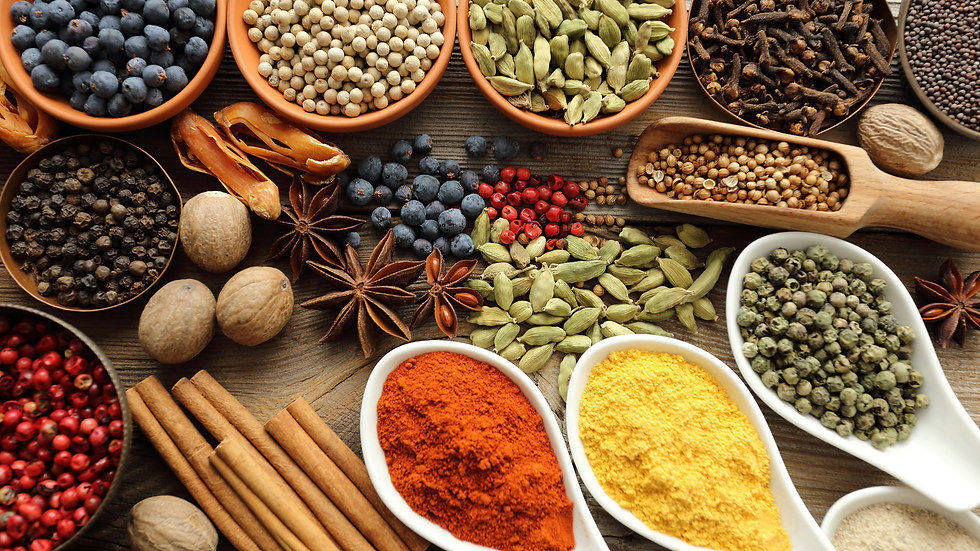
What are Ayurvedic herbs?
Ayurvedic herbs are medicinal plants used within Ayurveda to restore balance, strengthen digestion (Agni), remove accumulated toxins (Ama), support healthy tissues, and promote long-term wellness. Unlike conventional supplements, Ayurvedic herbs are selected according to an individual's unique constitution (Prakriti), current imbalances (Vikriti), digestion, climate, season, age, and lifestyle.
Key Takeaways
Herbs work best when personalized.
Digestion determines herb effectiveness.
Herbs support root causes rather than masking symptoms.
Herbs are only one part of Ayurvedic care.
Diet and lifestyle are equally important.
Professional guidance improves safety and effectiveness.
Table of Contents
What Are Ayurvedic Herbs?
Ayurvedic herbs are medicinal plants used in Ayurveda, the traditional system of natural healing that originated in India more than 5,000 years ago. Rather than simply addressing symptoms, Ayurvedic herbs are carefully selected to support healthy Agni (digestive fire), reduce Ama (toxins), nourish the body's tissues, restore balance, and promote long-term health according to each person's unique constitution and current state of health.
For thousands of years, these herbs have helped people maintain wellness and support the body's natural healing processes. Yet in Ayurveda, herbs are not viewed as magic cures or one-size-fits-all remedies.
Instead, they are considered valuable tools that work best when combined with a nourishing diet, healthy daily routines, quality sleep, stress management, movement, and other Ayurveda lifestyle practices.
Every herb has its own unique qualities and actions. Some herbs gently support digestion, while others help calm the nervous system, encourage healthy elimination, cool excess heat, nourish the tissues, or promote resilience and vitality.
Rather than asking, "What herb treats this condition?" Ayurveda asks a different question: "What does this person need to restore balance?"
This shift in perspective is what makes Ayurveda unique. Instead of treating a diagnosis alone, Ayurveda seeks to understand the whole person—recognizing that lasting health comes from addressing the underlying causes of imbalance, not simply managing symptoms.
Herbs are an important part of that process, but they are most effective when they are thoughtfully selected as part of a personalized plan for healing and well-being.

What Makes Ayurvedic Herbalism Different?
Most herbalists ask, "What herb is good for this condition?" Ayurveda asks a different question: "Why is this imbalance occurring, and what does this person need to restore balance?" That simple shift in perspective is what makes Ayurvedic herbalism unique.
Rather than matching a herb to a symptom or diagnosis, Ayurveda takes an individualized approach. Before recommending herbs, an Ayurvedic practitioner considers many factors, including:
Prakriti (your natural constitution)
Vikriti (your current imbalances)
Agni (digestive fire)
The presence of Ama (metabolic toxins)
Your age and stage of life
Your diet and digestive habits
Your daily lifestyle and routines
Stress levels and emotional well-being
Sleep quality
Climate and seasonal influences
Other factors unique to your health and circumstances
This means that two people with similar symptoms may receive completely different herbal recommendations. For example, two individuals may both experience poor digestion, fatigue, or difficulty sleeping, yet the underlying causes of their imbalance can be very different. One person may benefit from warming herbs to strengthen digestion, while another may need cooling herbs to calm excess heat or nourishing herbs to rebuild depleted tissues.
This personalized approach is one of Ayurveda's greatest strengths. Ayurveda is not herb-centered—it is person-centered. The goal isn't to find the "best" herb—it's to find the right herbs for the right person at the right time. When combined with nourishing food, healthy daily routines, restorative sleep, stress management, and other lifestyle practices, Ayurvedic herbs become one part of a comprehensive, personalized plan that helps restore balance and supports long-term health and well-being.

How Ayurvedic Herbs Are Chosen
One of the most common questions people ask is, How do you know which herbs are right for me? The answer is that there is no single formula. Choosing Ayurvedic herbs is a thoughtful, individualized process that looks beyond symptoms to understand why an imbalance developed and how best to restore balance.
Before recommending herbs, an Ayurvedic practitioner takes time to understand you. This includes evaluating your Prakriti (natural constitution), Vikriti (current imbalances), Agni (digestive fire), the presence of Ama (metabolic toxins), the balance of your doshas, your age, stage of life, diet, lifestyle, sleep, stress, climate, season, medications, and overall health.
The herbs themselves are also carefully selected. Every herb has its own unique characteristics, including its Rasa (taste), Guna (qualities), Virya (heating or cooling energy), Vipaka (post-digestive effect), and sometimes Prabhava (unique therapeutic action). These qualities help determine how a herb supports the body and why one herb may be more appropriate than another.
Perhaps most importantly, herbs are not always the first recommendation. Sometimes improving digestion, making dietary changes, establishing healthy daily routines, managing stress, or improving sleep creates the foundation needed for healing. When herbs are recommended, they become one part of a comprehensive Ayurvedic treatment plan.

Why Two People Rarely Receive the Same Herbs
No two people are exactly alike, so why should their herbal recommendations be?
Even when two people share the same diagnosis or experience similar symptoms, the underlying causes may be completely different. One person may have weakened digestion, while another is affected by chronic stress, poor sleep, hormonal changes, seasonal influences, or a combination of imbalances. In many cases, more than one dosha is involved, and those imbalances can interact in countless ways. Because the underlying pattern is different, the herbs selected to support healing may also be different.
Rather than following a standard protocol or matching a herb to a diagnosis, Ayurveda seeks to understand the whole person. By identifying the unique pattern of imbalance and its underlying causes, an Ayurvedic practitioner can recommend herbs and other therapies that are tailored to the individual rather than the condition.
As a result, two people with the same condition may receive completely different recommendations—not only for herbs, but also for food, daily routines, sleep, stress management, and other Ayurvedic lifestyle practices. The goal is not simply to relieve symptoms but to restore balance in a way that supports your unique needs.

The Importance of Agni and Ama
One of the most important principles in Ayurvedic herbal medicine is that even the best herbs cannot do their job if digestion is impaired. Before selecting herbs, an Ayurvedic practitioner evaluates the strength of your Agni (digestive fire) and whether Ama (toxic, undigested metabolic waste) is present. These two factors often determine which herbs are appropriate, when they should be used, and how effective they will be.
Agni is the body's digestive and metabolic fire. It is responsible for breaking down food, absorbing nutrients, and transforming nourishment into energy, healthy tissues, and vitality. When Agni is balanced, the body is better able to digest food, assimilate herbs, eliminate waste, and maintain overall health.
When Agni becomes weak or imbalanced, digestion is incomplete and Ama may begin to accumulate. In Ayurveda, Ama is considered a root cause of many imbalances because it can interfere with digestion, clog the body's channels (Srotas), and prevent nutrients—and even beneficial herbs—from being properly absorbed and utilized.
This is one reason Ayurveda doesn't simply recommend herbs based on symptoms alone. In some cases, the first priority is to strengthen Agni or reduce Ama before introducing nourishing or rejuvenating herbs. By preparing the body first, herbs can work more effectively and support lasting balance.

The Six Tastes (Rasa) and Herbal Actions
In Ayurveda, taste is much more than something you experience on your tongue. Known as Rasa, taste provides valuable information about how a food or herb is likely to affect the body. Every Ayurvedic herb has one or more tastes, and each taste has unique properties that can influence the doshas, digestion, tissues, and overall balance.
The six tastes are:
Sweet (Madhura): Nourishing, grounding, and building. Helps calm Vata and Pitta while increasing Kapha when consumed in excess.
Sour (Amla): Stimulates digestion and appetite. Reduces Vata but may increase Pitta and Kapha if overused.
Salty (Lavana): Moistening and warming. Supports digestion and helps calm Vata, but too much can aggravate Pitta and Kapha.
Pungent (Katu): Heating, stimulating, and drying. Helps reduce Kapha, may increase Pitta, and can aggravate Vata when used excessively.
Bitter (Tikta): Cooling, cleansing, and detoxifying. Helps reduce Pitta and Kapha, while excessive amounts may increase Vata.
Astringent (Kashaya): Drying, firming, and absorbent. Supports healthy tissues and helps reduce Pitta and Kapha, but may aggravate Vata in excess.
While Rasa is an important consideration, it is only one part of the picture. Ayurvedic practitioners also evaluate a herb's qualities (Guna), heating or cooling energy (Virya), post-digestive effect (Vipaka), and sometimes its unique therapeutic action (Prabhava). Together, these characteristics help determine how a herb will interact with your body and whether it is appropriate for your individual needs.
This is another reason Ayurveda doesn't recommend herbs based solely on symptoms. A herb that is beneficial for one person may not be the best choice for another, even if their symptoms appear similar. Understanding the unique qualities of each herb allows Ayurvedic practitioners to create personalized herbal recommendations that support lasting balance and well-being.

Common Forms of Ayurvedic Herbs
Ayurvedic herbs are available in many different forms, and each has its own advantages. The most appropriate preparation depends on the herb being used, your individual needs, and the desired therapeutic effect.
An Ayurvedic practitioner carefully considers which form of a herb will provide the greatest benefit, not simply which one is the most convenient.
Some of the most common herbal preparations include:
Churna (Herbal Powders): One of the oldest and most traditional forms of Ayurvedic herbal medicine. Powders are often mixed with warm water, honey, or ghee and allow for personalized combinations and flexible dosing.
Tablets and Capsules: Convenient, easy to travel with, and commonly used for people who prefer a tasteless option or need a simple daily routine.
Herbal Teas and Infusions: Gentle preparations that support digestion, relaxation, hydration, and overall well-being. They are often used for mild imbalances or as part of a healthy daily routine.
Kwatha (Herbal Decoctions): Herbs simmered in water to create a concentrated preparation. Decoctions are traditionally used when a stronger therapeutic effect is desired.
Ghrita (Medicated Ghee): Herbs infused into clarified butter (ghee) to nourish tissues and support the absorption of fat-soluble plant compounds. Ghritas are highly valued in Ayurveda for their ability to carry herbs deeply into the body's tissues.
Taila (Herbal Oils): Herbal oils are applied externally during therapies such as Abhyanga (Ayurvedic oil massage) or used in other traditional treatments to support the skin, muscles, joints, and nervous system.
No single preparation is "best." The ideal choice depends on your constitution, current imbalances, digestive strength, lifestyle, and health goals. In Ayurveda, the right herb in the right form, given at the right time, can make all the difference.

Common Ayurvedic Herbs and Their Traditional Uses
If you've explored Ayurveda, you've probably come across herbs like Ashwagandha, Brahmi, Triphala, Shatavari, and Turmeric. These are among the best-known herbs in Ayurvedic medicine, but their popularity doesn't mean they are appropriate for everyone.
One of the greatest misconceptions about Ayurvedic herbs is that you can simply choose a herb because you've read about its benefits online. Traditionally, Ayurveda has never worked that way. Related Reading: Why You Shouldn’t Trust a Chatbot With Your Health
Before recommending herbs, an experienced Certified Ayurvedic Practitioner considers your Prakriti (natural constitution), Vikriti (current imbalances), Agni (digestive fire), Ama (toxins), Ojas (vital essence), the doshas involved, your age, stage of life, diet, lifestyle, climate, season, medications, and your overall health.
The herbs below illustrate their traditional roles in Ayurveda. They are intended for educational purposes and are not one-size-fits-all recommendations.
Ashwagandha (Withania somnifera)
Often called one of Ayurveda's premier rejuvenating herbs, Ashwagandha is traditionally used to nourish the nervous system, support resilience to stress, promote strength and vitality, and help rebuild depleted energy.
Energetics: Warming • Heavy • Grounding
Traditionally Used For: Supporting Vata imbalances when appropriate for the individual.
Brahmi (Bacopa monnieri)
Brahmi has long been valued for supporting mental clarity, concentration, memory, and emotional balance. Its naturally cooling qualities make it a traditional choice when excess heat affects the mind.
Energetics: Cooling • Light
Traditionally Used For: Supporting Pitta-related mental and emotional imbalances.
Triphala
A traditional combination of three fruits—Amalaki, Bibhitaki, and Haritaki—Triphala is one of Ayurveda's most widely used herbal formulas.
Traditional Uses: Supports healthy digestion, gentle elimination, and the body's natural cleansing processes while helping maintain digestive balance.
Energetics: Balancing
Traditionally Used For: Considered Tridoshic, meaning it may be appropriate for all three doshas when selected according to the individual's needs.
Shatavari (Asparagus racemosus)
Known as one of Ayurveda's premier herbs for women's health, Shatavari is traditionally used to nourish the reproductive system, support healthy hormonal transitions, and promote vitality during different stages of life.
Energetics: Cooling • Moistening • Nourishing
Traditionally Used For: Supporting Vata and Pitta imbalances when appropriate.
Turmeric (Curcuma longa)
One of the world's best-known medicinal spices, Turmeric is traditionally used to support healthy digestion, circulation, liver function, and the body's natural inflammatory response.
Energetics: Pungent • Heating • Drying
Traditionally Used For: Supporting Kapha and certain Vata imbalances. Because of its warming nature, it may not be appropriate in all situations involving excess Pitta.
The most important thing to remember is this: Ayurvedic herbs are not chosen because they are popular or because they are recommended for a particular symptom. They are selected because they are appropriate for you. In Ayurveda, the same herb may be beneficial for one person, unnecessary for another, or even inappropriate in certain situations. The right herb is always chosen for the whole person—not just the symptom.

Ayurvedic Herbs Are Just One Part of Healing
One of the biggest misconceptions about Ayurveda is that it is simply a system of herbal medicine. While Ayurvedic herbs play an important role, they are only one piece of a much larger healing system.
In fact, a perfectly chosen herb cannot fully compensate for a poor diet, chronic stress, inadequate sleep, or unhealthy daily habits.
Ayurveda recognizes that true healing happens when the whole person is supported. Herbs work best when they are combined with nourishing foods, healthy digestion, restorative sleep, daily movement, stress management, meaningful relationships, and a lifestyle that is aligned with your unique constitution and the rhythms of nature.
This is why an Ayurvedic consultation is about much more than recommending herbs. Depending on your unique needs, an Ayurvedic practitioner may also help you:
Establish a personalized daily routine
Make supportive dietary changes
Strengthen Agni
Reduce Ama
Practice mindful eating
Incorporate yoga and Pranayama (breathwork)
Improve sleep habits
Develop simple lifestyle changes that support lasting health
Think of herbs as partners in the healing process—not the entire solution. Even the highest-quality herbs can only do so much if the body is not prepared to receive them. When digestion is strong, the mind is calmer, sleep is restorative, and daily habits support health, herbs are often able to work more effectively because they are supporting a body that is already moving toward balance.
Perhaps this is one of Ayurveda's greatest gifts. It doesn't ask, "What herb will fix this?" It asks, "What does this person need to heal?" Sometimes that includes herbs. Sometimes it begins with food, rest, stress reduction, or healthier routines. More often, it is a thoughtful combination of all of these working together.
In Ayurveda, healing isn't found in a single herb. It is found in the doshic balanced when the body, mind, and spirit are supported together. Herbs are powerful allies, but they are most effective when they are part of a personalized plan that honors the whole person and addresses the root causes of imbalance.

Quality Matters: Choosing High-Quality Herbs
Not all Ayurvedic herbs are created equal. The quality of a herb can influence its safety, potency, and effectiveness, making it just as important as choosing the right herb in the first place.
The global herbal medicine industry has become a multi-billion-dollar business, driven by growing consumer interest in natural and preventive healthcare. As demand has increased, so has the number of companies manufacturing and selling herbal products worldwide.
While consumers now have more choices than ever before, quality standards can vary considerably, making it essential to choose herbs from reputable suppliers that prioritize proper botanical identification, purity testing, and responsible manufacturing.
High-quality herbs begin with healthy plants grown under the right conditions and harvested at the appropriate time. They should be carefully processed, properly stored, and sourced from reputable manufacturers that follow rigorous quality standards. Poor-quality herbs may lose their potency over time or become contaminated with heavy metals, pesticides, molds, or other impurities.
Whenever possible, choose herbal products from companies that are transparent about their sourcing, manufacturing practices, and quality testing. Reputable manufacturers often test their products for identity, purity, potency, and contaminants to help ensure consistency and safety.
Quality is only part of the equation. Even the highest-quality herb may not be the right herb for you. An herb should be selected based on your unique constitution, current imbalances, digestive strength, health history, medications, and overall wellness goals—not simply because it is popular or highly recommended online.
If you're unsure which herbs are appropriate, seek guidance from an experienced and qualified Certified Ayurvedic Practitioner. A personalized recommendation can help you choose herbs that are both safe and well-suited to your individual needs, while avoiding unnecessary supplements that may offer little benefit or even aggravate an existing dosha imbalance.
Ultimately, the best herbal product is one that combines exceptional quality with personalized care. When the right herbs are thoughtfully selected and paired with supportive diet and lifestyle practices, they can become a valuable part of your journey toward lasting health and well-being.
Start your Ayurveda journey today. Book a discovery call.

Can You Choose Herbs Based Only on Your Dosha?
No. Your dosha is an important starting point, but it is only one piece of the puzzle. While your Prakriti (natural constitution) provides valuable insight into your unique tendencies, Ayurveda recognizes that your health is constantly changing.
In many cases, more than one dosha is out of balance, and these imbalances can interact in countless ways, creating unique patterns of signs, symptoms, and underlying causes from one person to the next.
Before recommending herbs, an Ayurvedic practitioner also considers your Agni (digestive fire), the presence of Ama (metabolic toxins), Ojas (vital essence), your current imbalances (Vikriti), age, stage of life, diet, lifestyle, sleep, stress, climate, season, medications, and your overall state of health. Carefully evaluating how these factors work together helps the practitioner identify the underlying pattern of imbalance and determine which herbs are most appropriate for your unique needs
Knowing your dosha is a wonderful place to begin your Ayurveda journey, but it is only one piece of the puzzle. While your Prakriti (natural constitution) offers valuable insight into your unique tendencies, it does not tell the whole story.
Ayurveda recognizes that your health is constantly changing. Your current state of balance, known as Vikriti, may be very different from your natural constitution. For example, someone with a Vata constitution may be experiencing a temporary Pitta imbalance, while another person with the same constitution may have excess Kapha. Although their constitutions are similar, their herbal recommendations may be completely different.
It's also very common for two—or even all three—doshas to be out of balance at the same time. Rather than focusing on just one dosha, an Ayurvedic practitioner carefully evaluates how these imbalances interact, which are the primary imbalances, and what your body needs to restore balance gently and effectively.
Herbal recommendations are based on much more than your dosha. Ayurveda also considers your Agni (digestive fire), the presence of Ama (toxins), Ojas (vital essence), age, stage of life, diet, lifestyle, sleep, stress levels, climate, season, medications, and your overall state of health. Each of these factors influences which herbs are most appropriate for your unique needs.
This is why choosing herbs based solely on a dosha quiz or online recommendation isn't always the best approach. While dosha quizzes are excellent educational tools and a wonderful way to learn about your constitution, they cannot replace a comprehensive Ayurvedic assessment that considers the complete picture of your health.
The goal isn't simply to choose herbs for your dosha—it's to choose herbs that support your unique state of balance today. As your health changes, your herbal recommendations may change as well. The right herbs are not chosen for a dosha—they are chosen for the whole person, supporting balance in the body, mind, and spirit.

How Long Do Ayurvedic Herbs Take to Work?
One of the most common questions people ask is, "How long will it take before I notice results?" It's a natural question, but there isn't a one-size-fits-all answer. In Ayurveda, healing is a journey—not a race.
How quickly Ayurvedic herbs begin to support your health depends on many factors, including your Prakriti (natural constitution), Vikriti (current imbalances), Agni (digestive fire), the presence of Ama (toxins), your Ojas (vital essence), the doshas involved, your age, stage of life, diet, lifestyle, stress levels, state of mind, sleep quality, climate, season, the nature and duration of your health concerns, and how consistently you follow your personalized treatment plan.
Some people notice improvements in digestion, sleep, energy, or overall well-being within a relatively short period of time. More complex or long-standing imbalances often require greater patience and consistency. Because Ayurveda focuses on addressing the root causes of imbalance, lasting improvements typically develop gradually as the body regains its natural state of balance.
It's also important to remember that herbs are only one part of the healing process. Supporting healthy Agni, reducing Ama, building Ojas, eating a nourishing diet, following a consistent daily routine, managing stress, getting restorative sleep, and making appropriate lifestyle changes all influence how well herbs work. When these pieces come together, they create the ideal environment for healing.
Rather than asking, "How quickly will this herb work?" Ayurveda encourages a different question: "How can I best support my body's natural ability to heal?" That shift in perspective is at the heart of Ayurveda. The goal is not simply faster results, but lasting health, resilience, and well-being.

Are Ayurvedic Herbs Safe?
When appropriately selected, sourced from reputable manufacturers, and used under the guidance of an experienced Certified Ayurvedic Practitioner, Ayurvedic herbs are generally well tolerated by many people. However, like prescription medications, over-the-counter medicines, and other dietary supplements, they should be used thoughtfully and with appropriate guidance.
One of Ayurveda's greatest strengths is its individualized approach to herbal medicine. Rather than recommending the same herb for everyone, an Ayurvedic practitioner carefully considers your unique constitution, current imbalances, digestive strength, overall health, medications, stage of life, and many other factors before recommending herbs. This personalized approach helps ensure that herbal recommendations are both appropriate and safe for your individual needs.
The quality of the herbs is equally important. Choose products from reputable manufacturers that follow Good Manufacturing Practices (GMP) and perform quality testing to verify identity, purity, potency, and freedom from contaminants, such as heavy metals, pesticides, and harmful microbes. High-quality herbs are more likely to provide consistent therapeutic benefits while reducing unnecessary risks.
It's also important to remember that natural does not always mean harmless. Some herbs may interact with prescription medications or dietary supplements, while others may not be appropriate during pregnancy, breastfeeding, before surgery, or for certain medical conditions. Always inform your healthcare providers about any herbs or supplements you are taking so they can help identify potential interactions.
When used appropriately as part of a personalized treatment plan, Ayurvedic herbs can be valuable allies in supporting health and well-being. The goal is not simply to take herbs, but to choose the right herbs, in the right form, at the right dose, for the right person, at the right time.
Medical Note: The National Center for Complementary and Integrative Health (NCCIH) advises that the safety of Ayurvedic herbs depends on factors such as product quality, appropriate use, and potential interactions with medications. Choosing high-quality products and working with qualified healthcare professionals can help support safe use.

"Like a beautiful mosaic, each piece contributes to the complete picture. Ayurveda recognizes that lasting health comes from understanding the whole person—not just a single symptom, herb, or diagnosis." - Veena Blilie, Saumya Ayurveda
Common Myths About Ayurvedic Herbs
Despite being used for thousands of years, Ayurvedic herbs are often misunderstood. Let's explore some of the most common myths and discover what Ayurveda really teaches.
Myth #1: There Is One "Best" Herb for Every Condition
One of the biggest misconceptions is that there is a single herb for every health concern. In reality, Ayurveda does not treat diseases—it treats people. Two individuals with similar symptoms may receive completely different herbal recommendations because the underlying causes of their imbalances are often very different.
Myth #2: If It's Natural, It Must Be Safe
While many Ayurvedic herbs have a long history of traditional use, natural does not automatically mean harmless. Herbs are biologically active and may interact with prescription medications, dietary supplements, or existing medical conditions. Some herbs are also not appropriate during pregnancy, breastfeeding, or certain stages of life. Like any therapeutic tool, herbs should be selected thoughtfully and sourced from reputable manufacturers.
Myth #3: More Herbs Mean Better Results
Taking more herbs doesn't necessarily lead to better results. In Ayurveda, the quality of the herbs, the combination of herbs, the dosage, the preparation, the timing, and—most importantly—their appropriateness for the individual are what matter. A few carefully selected herbs are often more beneficial than taking many herbs that are unnecessary or poorly matched to your needs.
Myth #4: I Can Simply Look Up My Symptoms and Choose an Herb
With so much information available today, it's easy to assume you can look up a symptom, read a blog, ask an AI tool, take a dosha quiz, or visit a supplement website and quickly find the "right" herb. While these resources can be excellent for learning about Ayurveda, they cannot replace a personalized Ayurvedic assessment.
Ayurvedic herbs are not one-size-fits-all. Traditionally, Ayurveda has always treated the whole person, not just a symptom or diagnosis. Before recommending herbs, an experienced Certified Ayurvedic Practitioner carefully considers your Prakriti (natural constitution), Vikriti (current imbalances),
Agni (digestive fire), Ama (toxins), Ojas (vital essence), the doshas involved, your age, stage of life, diet, lifestyle, sleep, stress levels, climate, season, medications, and your overall state of health. Each of these factors influences which herbs are most appropriate for your unique needs.
Ayurveda is not as simple as looking up a symptom and taking an herb. The same symptom may arise from very different underlying imbalances, which means two people with similar complaints may require completely different herbal recommendations. In some cases, taking the wrong herb may aggravate an existing dosha imbalance or contribute to a new imbalance rather than support healing.
Educational resources—including books, websites, blogs, podcasts, videos, AI tools, and dosha quizzes—are wonderful places to begin learning about Ayurveda. They can deepen your understanding and help you make more informed lifestyle choices. However, they cannot replace the knowledge, clinical experience, and caring guidance of an experienced Certified Ayurvedic Practitioner, who is trained to evaluate the complete picture of your health before recommending herbs.
Related Reading: Why You Shouldn’t Trust a Chatbot With Your Health
Myth #5: Herbs Alone Can Restore Health
Perhaps the greatest misconception is that Ayurveda is simply herbal medicine. In reality, herbs are only one part of a comprehensive Ayurvedic approach. The foundation of Ayurvedic care is food as medicine, individualized herbal support, and Ayurvedic lifestyle practices that work together to restore balance and support long-term health and well-being.

The Bottom Line
Perhaps the greatest misconception is that Ayurveda is simply herbal medicine. In reality, herbs are only one part of a comprehensive Ayurvedic approach. The foundation of Ayurvedic care is food as medicine, individualized herbal support, and Ayurvedic lifestyle practices, which work together to restore balance and support long-term health and well-being.
Ayurvedic herbs should be approached with respect, not with the assumption that it's just a plant, so it must be harmless. Plants contain powerful natural compounds that can profoundly influence the body.
Selecting the right herbs requires a deep understanding of Ayurveda and careful consideration of each person's Prakriti (constitution), Vikriti (current imbalances), Agni (digestive fire), Ama (metabolic toxins), age, stage of life, diet, lifestyle, medications, climate, season, and overall state of health. Respecting both the power of the herbs and the knowledge required to use them wisely is an essential part of authentic Ayurvedic practice.
The goal is not to find the most popular herb or the latest supplement. It is to choose the right herbs, in the right form, at the right dose, for the right person, at the right time, while supporting healing through food as medicine, personalized lifestyle practices, and other recommendations that address the root causes of imbalance. This thoughtful, individualized approach is one of the reasons Ayurveda has remained a trusted system of natural healing for more than 5,000 years.

Continue Exploring Ayurveda
Ayurveda is much more than herbs. It is a comprehensive system of natural healing that emphasizes balanced living, healthy digestion, nourishing foods, daily routines, and understanding your unique constitution. Continue your journey with these in-depth guides from Saumya Ayurveda:
What Is Ayurveda? A Beginner's Guide New to Ayurveda? Learn the foundational principles of this 5,000-year-old healing tradition, including its philosophy, goals, and approach to achieving lasting health and balance.
The Healing Power of Ayurvedic Foods Discover why Ayurveda considers food one of the most powerful forms of medicine and learn how simple dietary choices can support digestion, energy, and overall well-being.
Ayurvedic Morning Routine: 6 Rituals for a Calm and Centered Day Explore the daily practices of Dinacharya and learn how a consistent morning routine can strengthen Agni, promote balance, and support long-term health.
Understanding the Three Doshas: A Comprehensive Guide to Imbalances Gain a deeper understanding of Vata, Pitta, and Kapha, how they influence your health, and why recognizing doshic imbalances is essential for personalized Ayurvedic care.
Every step you take in learning about Ayurveda helps you better understand your body, mind, and spirit. As your understanding grows, so does your ability to make choices that support lasting health, balance, and vitality.

Frequently Asked Questions
What are Ayurvedic herbs?
Ayurvedic herbs are medicinal plants used in Ayurveda, the traditional system of natural healing from India. Rather than simply addressing symptoms, they are selected to support balance, healthy Agni (digestive fire), reduce Ama (toxins), nourish the body's tissues, and promote long-term well-being based on each person's unique needs.
Are Ayurvedic herbs safe?
When appropriately selected, sourced from reputable manufacturers, and used under the guidance of an experienced Certified Ayurvedic Practitioner, Ayurvedic herbs are generally well tolerated by many people. Like prescription medications and other supplements, they are not risk-free and should always be chosen thoughtfully.
Can I choose Ayurvedic herbs based only on my dosha?
No. Your dosha is only one part of the picture. Ayurveda also considers your Prakriti, Vikriti, Agni, Ama, Ojas, age, stage of life, diet, lifestyle, sleep, stress, climate, season, medications, and overall health before recommending herbs.
Why do two people with the same symptoms receive different herbs?
Ayurveda focuses on the root cause of imbalance, not simply the symptom. Two people may have similar symptoms for completely different reasons, so they may require different herbs, dietary
recommendations, and lifestyle practices to restore balance.
How long do Ayurvedic herbs take to work?
There is no universal timeline. Results depend on many factors, including your constitution, current imbalances, digestive strength, Ojas, the presence of Ama, the nature of your health concerns, and how consistently you follow your personalized treatment plan. Ayurveda focuses on lasting balance rather than quick fixes.
Can I take Ayurvedic herbs with prescription medications?
Some herbs may interact with prescription medications or dietary supplements. Always discuss any herbs you are taking with your healthcare provider and your Certified Ayurvedic Practitioner, especially if you have a chronic health condition, are pregnant or breastfeeding, or are preparing for surgery.
Can I choose herbs based on information I find online?
Books, blogs, websites, podcasts, videos, AI tools, and dosha quizzes are excellent educational resources. However, Ayurvedic herbs are not one-size-fits-all, and these resources cannot evaluate your unique constitution, current imbalances, digestion, medications, or overall health. Traditionally, Ayurveda has always emphasized personalized herbal recommendations based on the whole person.
What is the most important thing to know about Ayurvedic herbs?
Perhaps the most important principle is this: Ayurvedic herbs are chosen for the person—not the symptom. When combined with nourishing food, healthy digestion, restorative sleep, healthy daily routines, stress management, and other lifestyle practices, herbs become powerful allies in supporting balance throughout the body, mind, and spirit.

Final Thoughts
Ayurvedic herbs have supported health and well-being for thousands of years, but they are only one part of Ayurveda's comprehensive approach to healing. Rather than matching a herb to a symptom, Ayurveda seeks to understand the whole person—your constitution, current imbalances, digestion, lifestyle, stage of life, environment, and many other factors that influence your health.
This personalized approach is one of Ayurveda's greatest strengths. The same herb may be beneficial for one person, unnecessary for another, or even inappropriate in certain situations. That's why Ayurvedic herbs are not one-size-fits-all and why they are traditionally selected as part of a thoughtful, individualized plan.
When combined with nourishing food, healthy Agni, reduced Ama, strong Ojas, restorative sleep, healthy daily routines, stress management, movement, and other supportive lifestyle practices, Ayurvedic herbs become powerful allies in restoring balance throughout the body, mind, and spirit.
Whether you're just beginning your Ayurveda journey or looking to deepen your understanding of Ayurvedic herbs, remember this simple principle:
Ayurveda doesn't ask, "What herb should I take?" It asks, "What does this person need to restore balance?"
When you begin with that question, herbs become more than natural remedies—they become one part of a personalized path toward lasting health, vitality, and well-being.

What Our Clients Say | Saumya Ayurveda Testimonials
Real Transformations Through Ayurveda Consultation
Physician Testimonial (Medical Endorsement)
“As a physician, I have always believed that prevention is better than cure. In today’s healthcare environment, Ayurveda offers a logical and natural approach to long-term health and prevention.
I began working with Veena during a very demanding phase of my life, and she made the process accessible even within my busy schedule. I was encouraged to follow a steady, sustainable approach focused on real lifestyle change.
Over time, I experienced meaningful improvements in balance, energy, and well-being. In my medical practice, I now see many patients with similar stress- and diet-related imbalances, which has further reinforced my trust in Ayurvedic principles.
I have since referred several patients to Saumya Ayurveda and consider Veena a valuable resource in supporting holistic well-being.”
Dr. Gauri Nagargoje
M.D., Oncology & Hematology
Physician Testimonial (Medical Endorsement)
“As a physician, I initially struggled with Ayurveda’s simplicity and depth, but Veena’s guidance made it practical, scientific, and deeply effective.
Veena has transformed my health and perspective on healing. I experienced significant improvements in focus, digestion, stress response, and overall vitality.
Her personalized approach made lifestyle changes easy and sustainable.
This journey not only improved my health but also inspired a lifelong commitment to integrating Ayurveda into holistic healthcare.”
Dr. Jessica Bedi
D.O., & Ayurvedic Doctor
Anne R., Minneapolis, Minnesota USA


Explore more client success stories from Saumya Ayurveda and see how Ayurveda supports healing, balance, and transformation.

Discover the Saumya Ayurveda Way
At Saumya Ayurveda, we see you as a whole being—not just a collection of symptoms. True health is more than the absence of disease; it is a state of balance between body, mind, and awareness.
Many people today feel unheard or only partially supported in conventional health systems, especially when symptoms persist without clear answers.
This is where Ayurveda offers a different path.
If you are seeking a holistic approach to health and balanced living, you are in the right place. Saumya Ayurveda provides personalized Ayurvedic guidance designed to support physical, mental, and emotional harmony—helping you move toward a more vibrant and aligned life.
Our approach is rooted in classical Ayurveda and adapted for modern life, with a focus on understanding your unique dosha and prakriti (your natural constitution ) so recommendations are truly individualized—not generic.
Saumya Ayurveda offers concierge-style, client-centered care, meaning your experience is personal, supportive, and free from retail or product pressure. The focus is entirely on education, clarity, and sustainable lifestyle transformation.
Through structured Ayurveda consultation packages, you receive ongoing guidance, thoughtful coaching, and practical tools to help you create lasting change—not temporary fixes.
Begin your Ayurveda journey and book a free 15-minute discovery call.

Meet Veena: Your Trusted Ayurvedic Guide for Clients Worldwide
Veena Blilie is a Certified Ayurvedic Practitioner, Ayurveda teacher, meditation guide, and monk with over three decades of experience helping clients worldwide achieve greater balance and well-being through Ayurveda.
As founder of Saumya Ayurveda and President Emeritus of the Meditation Center, Veena serves clients worldwide through personalized Ayurvedic wellness guidance, meditation, and yoga practices.
Saumya Ayurveda has been recognized as the #1 Ayurveda cooking blog and the #3 Ayurveda website and blog and has received multiple consecutive awards for best wellness practice.
Through her work, Veena shares practical Ayurvedic guidance, nourishing recipes, and wellness education for modern living.
Inspired from an early age by learning herbal remedies, food as medicine, and traditional healing practices at her grandmother’s knee, Veena combines traditional Ayurvedic wisdom with compassionate, accessible guidance that supports mental, physical, and spiritual well-being.
Known for her warmth, humor, intuitive approach, and accessible style, Veena empowers people to create sustainable health through personalized Ayurvedic wellness plans designed to fit naturally into everyday life.
Veena is also the author of several free Ayurveda eBooks and writes the educational articles published on the Saumya Ayurveda blog.
As seen in:
Voice America
Albuquerque The Magazine
Learn more about Veena and her work through Saumya Ayurveda.
Disclaimer: This information is for educational purposes only and is not a substitute for professional medical advice. Ayurveda works best when tailored to your unique doshic profile, so it’s essential to understand your constitution and imbalances before using herbs, foods, or lifestyle practices. Consult a Certified Ayurvedic Practitioner for personalized guidance.


