


Fall Foods for Balancing Vata Dosha

Updated: Oct 9
As autumn brings cooler temperatures, drier air, and brisk winds, the foods you choose can make a meaningful difference in how you experience the season. In Ayurveda, these qualities can aggravate Vata dosha, making warm, moist, nourishing, and grounding foods especially valuable during fall.
From roasted root vegetables and hearty grains to warming spices and healthy fats, discover which fall foods can help support Vata balance, how to prepare them, and why your individual doshic picture matters when choosing what to eat.
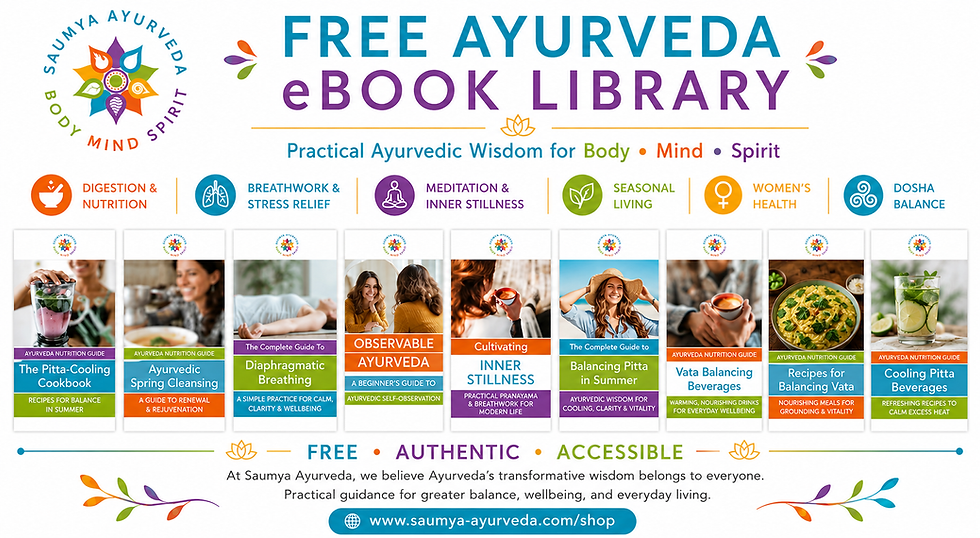
Free resource: Explore our collection of free Ayurveda recipe eBooks for nourishing, dosha-balancing inspiration throughout the seasons.

Discover the ideal fall foods for balancing Vata dosha with warming spices, nourishing grains, cooked vegetables, and grounding Ayurvedic food choices.
Key Takeaways
Fall can aggravate Vata: Coolness, dryness, and wind are seasonal qualities associated with increased Vata.
Favor warm, cooked meals: Soups, stews, cooked vegetables, and well-prepared grains are practical choices for autumn.
Choose nourishing ingredients: Root vegetables, winter squash, suitable fats, and warming spices offer versatility in fall cooking.
Personalize your food choices: Your constitution, current doshic imbalances, digestive strength (Agni), and food tolerance influence which foods suit you.
Let food become medicine: Food is most balancing when it is appropriate for your individual doshic picture rather than prescribed as a universal diet.
Table of Contents

Why Fall Foods Matter for Vata Dosha
In Ayurveda, autumn is associated with qualities of coolness, dryness, and movement that can aggravate Vata dosha, particularly when these qualities accumulate in the body. As temperatures drop and the air becomes drier, dietary choices become one way to support balance through the seasonal transition.
Warm, moist, nourishing, and grounding foods help counter the qualities associated with Vata. Think of cooked root vegetables, hearty grains, warming soups, healthy fats, and gently spiced meals rather than relying heavily on cold, dry, or raw foods when they aggravate your symptoms.
Digestion, known as Agni in Ayurveda, is also an important consideration. Meals suited to your digestive strength and individual needs can help support digestive comfort and nourishment throughout the fall season. Learn more in The Power of Agni in Ayurveda: Understanding the Fire Within.
Ayurveda emphasizes individualization rather than a universal seasonal diet. Your constitution, current doshic imbalances, appetite, digestion, and food tolerance all influence which foods are most suitable. Observing how different meals affect your comfort and energy can help you make more informed choices as the season changes.

Qualities of Ideal Fall Foods for Vata
In Ayurveda, fall foods that help balance Vata tend to be warm, cooked, moist, nourishing, and grounding. These qualities can help counter the season's coolness, dryness, and movement, which may aggravate Vata dosha.
Choose foods such as roasted sweet potatoes, cooked carrots, winter squash, oatmeal, rice, and well-cooked grains. Add nourishing fats, such as ghee or olive oil, to appropriate meals to provide moisture, and use warming spices like ginger, cinnamon, cumin, and fennel to complement your cooking.
Warm soups, stews, porridges, and freshly prepared meals are practical choices during autumn. They offer a way to incorporate seasonal vegetables, grains, and spices into satisfying meals while avoiding an overreliance on cold, dry, or raw foods when these aggravate your symptoms.
Individual needs matter. Ayurveda does not prescribe the same diet for everyone. Your constitution, current doshic imbalances, digestive strength (Agni), food tolerance, and local climate all influence which foods are most appropriate. Observe how you feel after meals and adjust your choices accordingly.
Explore our free Vata recipe eBooks for practical inspiration to nourish and balance Vata throughout the fall season. Discover Ayurveda Recipes for Balancing Vata Dosha for food ideas and Vata Balancing Ayurveda Beverages for warming, nourishing drinks.

Best Vegetables for Balancing Vata in Fall
Autumn is an ideal time to enjoy seasonal vegetables that are naturally nourishing and lend themselves to warm, cooked meals. In Ayurveda, vegetables cooked until tender and served warm, with appropriate oils and spices, can help counter the cool and dry qualities associated with Vata.
Root vegetables and winter squash are particularly useful choices for fall meals. Try sweet potatoes, carrots, beets, parsnips, pumpkin, and butternut squash. Roasting these vegetables until tender makes them easy to incorporate into soups, stews, and satisfying side dishes.

Fall Vegetables List
Root Vegetables
Beets
Carrots
Parsnips
Potatoes
Rutabagas
Turnips
Winter Squash and Pumpkins
Acorn squash
Butternut squash
Pumpkins
Other winter squash
Cabbage-Family Vegetables
Broccoli
Brussels sprouts
Cabbage
Cauliflower
Kohlrabi
Leafy Greens
Collard greens
Kale
Leaf lettuce
Mustard greens
Spinach
Swiss chard
Seasonal greens can also be incorporated into nourishing fall meals. Add chopped kale, collard greens, mustard greens, or Swiss chard to soups and stews, allowing them to cook until tender. Spinach can be stirred into simmering soups near the end of cooking, while tougher greens benefit from a longer cooking time.
Adding sesame oil, olive oil, or ghee and spices such as ginger, cinnamon, nutmeg, and bay leaf can make meals more moist, warming, and flavorful. When Vata is aggravated, consider cooked vegetables instead of raw or cold preparations, adjusting your choices to your individual digestive needs and food tolerance.
For a broader approach to seasonal balance, read Balancing Vata in Fall: Your Ayurvedic Guide, which explores Ayurvedic food choices alongside daily routines, self-care, movement, and sleep.

Grains, Legumes, and Protein Sources
Grains, legumes, and protein-rich foods help make fall meals nourishing and satisfying. In Ayurveda, warm, well-cooked grains and appropriately prepared protein sources can be useful choices for Vata, particularly when meals are moist, freshly prepared, and suited to individual digestive strength.
Grains: Oats, rice, quinoa, and wheat may be suitable choices, depending on individual tolerance. Warm oatmeal, soft rice, and well-cooked grain porridges make comforting autumn meals. Adding a little ghee or olive oil can provide additional moisture and nourishment.
Legumes: Mung dal and red lentils are useful options when cooked until soft. Soaking legumes when appropriate and seasoning them with digestive spices such as cumin, ginger, and fennel may improve tolerance. Because legumes can contribute to gas and bloating in some people, pay attention to portion sizes and how your digestion responds.
Protein sources: Eggs, paneer, tofu, and well-cooked legumes can provide protein for those who tolerate them. Soups, stews, and gently spiced dals offer practical ways to incorporate protein into warm fall meals.
Individual needs matter.
Your constitution, current doshic imbalances, digestive strength (Agni), and food tolerance all influence which grains, legumes, and protein sources are most suitable. Choose foods that nourish you without causing digestive discomfort.

Healthy Fats and Nourishing Oils
In Ayurveda, nourishing fats help counter the dryness associated with Vata dosha, making them especially relevant during autumn. Including appropriate amounts of healthy fats in warm, freshly prepared meals adds moisture, flavor, and nourishment.
Sesame oil is a traditional Ayurvedic choice for Vata because of its warming qualities. Ghee is another nourishing option, while olive oil and other suitable oils can be incorporated into cooking according to individual needs and tolerance.
Best: Almond, ghee, sesame
Small Amounts: Avocado, castor, coconut, flaxseed, mustard, olive, peanut, sunflower
Avoid: Safflower
These classifications reflect general Ayurvedic guidance provided. Individual needs, food preferences, and the intended use of each oil also matter when making dietary choices.

Warming Spices for Fall Cooking
Spices bring warmth, aroma, and flavor to autumn meals. Rather than adding large amounts of seasoning, incorporate spices into the foods you already prepare, allowing their flavors to develop as soups simmer, roasted vegetables, and grains cook.
Ginger, cumin, cinnamon, cardamom, bay leaf, and fennel are useful spices to keep on hand for fall cooking. Add fresh or dried ginger and cumin to lentil dishes and vegetable soups. Use cinnamon and cardamom in warm oatmeal or cooked fruit, and try fennel in gently seasoned vegetable dishes. These combinations offer different ways to bring warmth and variety to everyday meals.
The amount and combination of spices matter. Choose seasonings according to your digestive tolerance, individual constitution, and current doshic imbalances rather than assuming that more spice is always better.

Fall Foods Vata May Need to Limit
During fall, certain foods may aggravate Vata because of their cold, dry, light, or rough qualities. Rather than eliminating entire food groups, pay attention to how particular foods affect your digestion and comfort, especially when the weather becomes colder and drier.
Dry, crunchy snacks: Crackers, dry chips, rice cakes, and plain popcorn may contribute to dryness when eaten frequently without more nourishing foods.
Large servings of raw vegetables: Raw salads, raw carrots, and other uncooked vegetables may be less comfortable to digest for some people, particularly when gas or bloating is present.
Cold foods and drinks: Iced beverages, refrigerated meals eaten cold, and cold smoothies may be less suitable when you already feel cold or experience digestive discomfort.
Dry or undercooked legumes: Beans and lentils that are not thoroughly cooked may be harder to digest and can contribute to gas and bloating.
Excessively bitter, pungent, or astringent foods: In traditional Ayurvedic dietary guidance, these tastes are generally moderated when Vata is aggravated, particularly if meals become too light or drying.
Irregular eating habits: Skipping meals, eating at inconsistent times, or relying on small snacks instead of nourishing meals can make it harder to maintain consistent nourishment throughout the day.
These are general Ayurvedic considerations, not a list of foods everyone with Vata needs to avoid. Preparation, quantity, digestive strength (Agni), and your individual doshic picture all matter. For example, a raw vegetable that causes discomfort in cold weather may be better tolerated when cooked and served warm.

Putting Together a Vata-Balancing Fall Meal
A Vata-balancing fall meal brings together warm, well spiced, cooked foods, nourishing fats, and flavors that suit your digestion. Rather than following a rigid menu, use seasonal ingredients to build satisfying meals that provide variety and nourishment.
Start with a cooked vegetable. Roasted sweet potatoes, carrots, beets, and winter squash make practical fall choices. Season them with spices that complement the dish and agree with your digestion.
Add a grain or other substantial food. Warm rice, oatmeal, or another well-cooked grain can provide a grounding base. Mung dal or another protein source that you tolerate well can make the meal more complete.
Include an appropriate nourishing fat. A little ghee or sesame oil can add moisture and flavor. Choose the type and amount according to your individual needs and how you tolerate it.
Finish with warmth and flavor. Ginger, cumin, bay leaf, cinnamon, or cardamom can bring variety to fall meals.
For example, a fall lunch might include roasted butternut squash, soft-cooked rice, mung dal, and a suitable amount of ghee, seasoned with cumin and ginger. Another option is a vegetable soup served with a well-cooked grain.
Your appetite, digestive strength (Agni), constitution, and current doshic imbalances should guide your choices. The aim is not to make every meal follow the same formula, but to find combinations that leave you comfortably nourished and satisfied.
Sample Vata-Balancing Fall Menu
Looking for inspiration for warming, nourishing fall meals? Explore these Saumya Ayurveda recipes and download the free Ayurveda Recipes for Balancing Vata Dosha eBook for more recipe ideas.
French Lentil Kitchari
A warm, nourishing dish for a satisfying lunch or dinner. Find it in the free Vata recipe eBook.
Butternut Squash Tomato Soup
A comforting soup featuring seasonal squash, ideal for adding a warm, cooked dish to your autumn menu.
Ayurvedic Spaghetti Squash
A seasonal squash recipe that offers another way to bring fall produce to your table.
Embracing Balance Through Food
In Ayurveda, food becomes medicine when it is balancing for your individual doshic picture. Along with choosing appropriate foods, how you eat matters. Slow down, savor each bite, and give yourself time to enjoy your meals without unnecessary distractions.
This mindful approach to eating complements the seasonal food choices discussed in this article. Explore this simple practice in Two-Minute Meditation.
Seasonal changes also offer an opportunity to reassess your dietary needs and make adjustments before doshic imbalances become more pronounced.

Frequently Asked Questions About Fall Foods for Vata
What foods are best for balancing Vata in fall?
In Ayurveda, warm, cooked, moist, and nourishing foods are generally favored when Vata is aggravated. Cooked root vegetables, winter squash, rice, oatmeal, nourishing fats, and appropriately spiced soups are useful options. Individual food choices depend on your constitution, digestive strength, and current doshic imbalances.
Which vegetables are best for Vata during autumn?
Sweet potatoes, carrots, beets, parsnips, pumpkin, and winter squash are practical fall choices. Cooking vegetables until tender and adding suitable oils and spices can make them more satisfying and easier to tolerate.
Which spices are good for Vata in fall?
Ginger, cumin, cinnamon, cardamom, and bay leaf are useful spices for autumn cooking. Choose combinations that complement your meals and agree with your digestion rather than assuming that more spice is always better.
Should Vata avoid raw foods in fall?
Generally, yes. Ayurveda generally favors warm, cooked foods when Vata is aggravated, but individual tolerance matters. If raw vegetables contribute to gas, bloating, or discomfort, try smaller portions or cook them until tender.
Which oils are best for Vata?
Traditional Ayurvedic guidance commonly favors sesame oil and ghee for Vata. Other oils may be appropriate in different amounts depending on the individual and the specific guidance being followed. Consider your dietary needs, digestive tolerance, and how you prepare your food.
What is a simple Vata-balancing fall meal?
A warm meal of cooked vegetables, rice or another well-cooked grain, and a suitable protein source is a practical starting point. French Lentil Kitchari and Butternut Squash Tomato Soup are two recipe ideas featured in the Saumya Ayurveda Vata recipe collection.
Does everyone with Vata need the same fall diet?
No. Ayurveda considers constitution, current doshic imbalances, digestive strength (Agni), food tolerance, and climate when making dietary recommendations. Observe how different foods affect your comfort and nourishment instead of following a rigid list of permitted and forbidden foods.

Final Thoughts
Fall cooking offers an opportunity to put Ayurvedic food principles into practice through seasonal ingredients, nourishing fats, warming spices, and freshly prepared meals. Root vegetables, winter squash, well-cooked grains, and satisfying soups provide practical ways to bring these qualities into everyday cooking.
In Ayurveda, food becomes medicine when it is balancing for your individual doshic picture. The foods that nourish one person may not be equally beneficial for another. Your constitution, current doshic imbalances, digestive strength, and food tolerance all influence which choices are most appropriate.
Avoid following rigid food rules, pay attention to how different ingredients, cooking methods, and meal combinations affect your digestion and overall well-being. By observing your individual needs and adapting your meals accordingly, you can make more informed food choices throughout the fall season.
Explore the collection of free Ayurveda recipe eBooks for seasonal inspiration and practical ideas for adapting your foods and beverages to your individual needs.
Our Commitment to Accessible Ayurveda Education
At Saumya Ayurveda, we believe Ayurveda's transformative ancient wisdom belongs to everyone—not just those who can afford it. That's why we're committed to making high-quality, authentic Ayurveda education available globally, free of charge.
Through our free eBooks, guides, and educational resources, we offer practical, grounded wisdom to help those seeking greater balance, vitality, and wellbeing integrate Ayurveda into their daily lives.
Accessible. Authentic. Free. Just as it was meant to be.
Free Ayurveda eBooks – Download practical guides, recipes, and wellness resources to support your health journey.
Ayurveda Blog – Enjoy easy-to-read articles, seasonal wellness tips, healthy recipes, and everyday inspiration—always educational, never a sales pitch.
Free Guided Traditional Progressive Meditations – Practice authentic, step-by-step guided meditations to cultivate calm, focus, and inner stillness.
Monthly Educational Newsletter – Receive seasonal Ayurveda insights, new articles, healthy recipes, and free resources delivered to your inbox each month.

Glossary of Ayurvedic Terms
Agni — The digestive fire in Ayurveda, associated with digestion, transformation, and the processing of food.
Ama — A traditional Ayurvedic term for incompletely processed material associated with impaired digestion and metabolism.
Dosha — One of three functional principles in Ayurveda: Vata, Pitta, and Kapha. Their qualities help guide individualized dietary and lifestyle recommendations.
Kapha — The dosha associated with earth and water, traditionally characterized by qualities such as heaviness, stability, and moisture.
Pitta — The dosha associated with fire and water, traditionally characterized by qualities such as heat, sharpness, and transformation.
Prakriti — An individual's constitution, understood in Ayurveda as their inherent doshic makeup.
Vata — The dosha associated with air and space, traditionally characterized by qualities such as movement, dryness, lightness, and coolness.
Vikriti — An individual's current state of doshic balance or imbalance, which may differ from their constitution.
Ushna — A Sanskrit term meaning hot or heating, used in Ayurveda to describe the warming quality of foods and substances.
Snigdha — A Sanskrit term meaning unctuous, oily, or moist, describing qualities traditionally considered helpful for countering excessive dryness.

What Our Clients Say | Saumya Ayurveda Testimonials
Real Transformations Through Ayurveda Consultation
Physician Testimonial (Medical Endorsement)
“As a physician, I have always believed that prevention is better than cure. In today’s healthcare environment, Ayurveda offers a logical and natural approach to long-term health and prevention.
I began working with Veena during a very demanding phase of my life, and she made the process accessible even within my busy schedule. I was encouraged to follow a steady, sustainable approach focused on real lifestyle change.
Over time, I experienced meaningful improvements in balance, energy, and well-being. In my medical practice, I now see many patients with similar stress- and diet-related imbalances, which has further reinforced my trust in Ayurvedic principles.
I have since referred several patients to Saumya Ayurveda and consider Veena a valuable resource in supporting holistic well-being.”
Dr. Gauri Nagargoje
M.D., Oncology & Hematology
Physician Testimonial (Medical Endorsement)
“As a physician, I initially struggled with Ayurveda’s simplicity and depth, but Veena’s guidance made it practical, scientific, and deeply effective.
Veena has transformed my health and perspective on healing. I experienced significant improvements in focus, digestion, stress response, and overall vitality.
Her personalized approach made lifestyle changes easy and sustainable.
This journey not only improved my health but also inspired a lifelong commitment to integrating Ayurveda into holistic healthcare.”
Dr. Jessica Bedi
D.O., & Ayurvedic Doctor


Anne R., Minneapolis, Minnesota USA
Explore more client success stories from Saumya Ayurveda and see how Ayurveda supports healing, balance, and transformation.

Discover the Saumya Ayurveda Way
Ayurveda Begins With Seeing the Whole Person
I've Tried Everything. Why Isn't Anything Working?
When health concerns persist, it can be frustrating to keep trying one recommendation after another without understanding why nothing seems to change.
More health information isn't always the answer. In fact, when stress is already part of the picture, having more information to sort through can add to that stress. Sometimes what is needed is not another recommendation, but someone who really listens and takes the time to understand you as a whole person.
Ayurveda looks beyond individual symptoms to understand the whole person and the root causes of the dosha imbalances contributing to how you feel. This makes it possible to move beyond simply managing symptoms and understanding what you specifically need.
Why the Same Symptom Can Require a Different Approach
The same symptom does not necessarily call for the same solution. General health advice—and even general Ayurvedic advice—can fall short because most people experience more than one symptom and may have more than one dosha out of balance. Understanding the doshic picture as a whole is essential for providing truly supportive guidance.
Ayurveda looks beyond the symptoms to understand the root cause of each doshic imbalance, the dynamic interplay between the doshas, and how they affect the whole person.
Personalized Ayurveda, Rooted in Tradition
Saumya Ayurveda combines classical Ayurvedic principles with practical guidance for modern life. Your recommendations are based on your individual prakriti (natural constitution), vikriti (current state of doshic imbalance), lifestyle, environment, and circumstances—not a generic dosha checklist or one-size-fits-all protocol.
The goal is not to overwhelm you with more rules or things to try. It is to help you stop searching and start understanding—so you can make sustainable changes that support balance for you.
For those who want ongoing support, concierge-style Ayurveda consultation packages provide personalized guidance, thoughtful follow-up, and practical tools for bringing Ayurvedic principles into everyday life.
Education First. Personalized Guidance When You Need It.
Veena takes an education-first, client-centered approach. Our favorite product is knowledge.
As you work with Veena, you don't simply receive recommendations—you gain knowledge and self-awareness.
With Saumya Ayurveda, you won't find education built around selling a supplement, herb, or wellness product. Instead, you'll find traditional Ayurvedic perspectives, practical guidance, and timeless principles that cultivate self-awareness and help you make choices that are right for you.
When understanding deepens, better choices naturally follow.
Learn. Observe. Understand. Transform.
Whether you're new to Ayurveda, looking for a deeper understanding of yourself and your nature, or have tried many approaches without finding lasting change, personalized Ayurvedic guidance can help you understand your individual needs and make choices that are appropriate for you.
Begin your Ayurveda journey with a free 15-minute Discovery Call with Veena and explore whether personalized Ayurvedic guidance is right for you.

Meet Veena: Your Trusted Ayurvedic Guide for Clients Worldwide
Veena Haasl-Blilie is a Certified Ayurvedic Practitioner, Ayurveda teacher, meditation guide, and monk with over three decades of experience helping clients worldwide achieve greater balance and well-being through Ayurveda.
As founder of Saumya Ayurveda and President Emeritus of the Meditation Center, Veena serves clients worldwide through personalized Ayurvedic wellness guidance, meditation, and yoga practices.
Saumya Ayurveda has been recognized as the #1 Ayurveda cooking blog and the #3 Ayurveda website and blog and has received multiple consecutive awards for best wellness practice.
Through her work, Veena shares practical Ayurvedic guidance, nourishing recipes, and wellness education for modern living.
Inspired from an early age by learning herbal remedies, food as medicine, and traditional healing practices at her grandmother’s knee, Veena combines traditional Ayurvedic wisdom with compassionate, accessible guidance that supports mental, physical, and spiritual well-being.
Known for her warmth, humor, intuitive approach, and accessible style, Veena empowers people to create sustainable health through personalized Ayurvedic wellness plans designed to fit naturally into everyday life.
Veena is also the author of several free Ayurveda eBooks and writes the educational articles published on the Saumya Ayurveda blog.
As seen in:
Voice America
Albuquerque The Magazine
Learn more about Veena and her work through Saumya Ayurveda.
Disclaimer: This information is for educational purposes only and is not a substitute for professional medical advice. Ayurveda works best when tailored to your unique doshic profile, so it’s essential to understand your constitution and imbalances before using herbs, foods, or lifestyle practices. Consult a Certified Ayurvedic Practitioner for personalized guidance.


