6 Ayurvedic Remedies for Colds and Flu

Updated: Oct 12
A scratchy throat, a stuffy nose, or the first signs of a seasonal cold are reminders to give the body extra care. Ayurveda emphasizes simple, supportive practices during the colder months, including warming herbal teas, nourishing drinks, and daily routines that help maintain balance.
These six Ayurvedic home remedies offer practical ways to soothe discomfort and support well-being throughout cold and flu season. Although they cannot prevent or cure viral infections, they can complement appropriate medical care and bring traditional Ayurvedic wisdom into your winter wellness routine.

Discover 6 Ayurvedic cold and flu remedies, including warming herbal teas and soothing drinks, to support comfort and well-being throughout winter.
Key Takeaways
Ayurveda emphasizes seasonal routines, warming foods, and nourishing drinks to support well-being during the colder months.
Ginger tea, tulsi infusion, golden milk, honey and lemon, and comfortably warm water are traditional home practices that may provide comfort during cold season.
Warm showers or a clean humidifier can help ease congestion without the burn risks associated with steam inhalation over boiling water.
Agni, the Ayurvedic concept of digestive fire, plays an important role in Ayurvedic approaches to digestion and seasonal self-care.
Traditional Ayurvedic remedies can complement appropriate medical care, but they do not prevent or cure viral infections.
Rest, adequate fluids, and timely medical advice when symptoms are severe or flu is suspected are important parts of responsible winter wellness.

1. Turmeric Milk (Golden Milk)
Turmeric milk, often called golden milk, is a warming beverage traditionally enjoyed as part of an Ayurvedic evening routine. Made with turmeric, milk, and a pinch of black pepper, this comforting drink offers a simple way to bring warmth and nourishment to your winter evenings. Although turmeric has been studied for its potential anti-inflammatory properties, research does not establish that golden milk prevents or treats colds and flu.
How to Prepare
Ingredients: 1 cup plant-based milk, 1 teaspoon turmeric powder, a small pinch of black pepper, and honey to taste.
Method: Warm the milk gently in a saucepan. Whisk in the turmeric and black pepper until evenly combined. Allow the drink to cool slightly before adding honey. Enjoy it warm as part of an Ayurvedic evening routine.
For another preparation, explore How to Make the Perfect Ayurvedic Golden Milk Turmeric Latte.

2. Ginger, Honey, and Lemon Tea
Ginger tea is a warming, aromatic beverage that has a valued place in Ayurvedic food traditions. Ginger is commonly used in Ayurvedic approaches to digestion, where it is associated with supporting Agni, or digestive fire. A warm cup of ginger tea with honey and lemon can also be a comforting way to maintain fluid intake when you are feeling under the weather.
How to Prepare
Ingredients: 1–2 inches of fresh ginger root, 2 cups of water, honey to taste, and lemon juice to taste.
Method: Thinly slice the ginger and add it to the water. Bring to a boil, then reduce the heat and simmer for approximately 10 minutes. Strain into a cup and allow it to cool slightly before adding honey and lemon.
Sip the tea while comfortably warm. Honey may help soothe a cough, while the warm liquid can provide temporary throat comfort. In Ayurvedic understanding, ginger is also used to support Agni. The traditional concept of Ama refers to incompletely processed material associated with impaired digestion; it should not be confused with medically established toxins or a process of flushing out a viral infection.

3. Tulsi (Holy Basil) Infusion
Tulsi, also known as holy basil, holds an important place in Ayurvedic tradition. Its aromatic leaves are commonly prepared as an herbal infusion, offering a simple, warming drink for a quiet moment during the colder months. Although laboratory research has explored tulsi's antioxidant and other biological properties, there is not enough clinical evidence to establish that drinking tulsi tea prevents or treats colds and influenza.
How to Prepare
Ingredients: Fresh or dried tulsi leaves, 2 cups of water, and honey to taste. A tulsi tea bag may also be used according to its package directions.
Method: Bring the water to a boil, add the tulsi leaves, and reduce the heat or remove the pan from the heat. Cover and steep for 10–15 minutes. Strain, allow the infusion to cool slightly, and add honey if desired.
Enjoy tulsi infusion as a warm herbal beverage within your daily routine. If you take medications, are pregnant, or have a medical condition, check with a qualified healthcare professional before using concentrated tulsi preparations regularly.

4. Herbal Steam and Aromatic Comfort
When nasal congestion accompanies a winter cold, a warm shower or a clean humidifier may provide temporary comfort. Aromatic herbs such as mint are also familiar in traditional home practices, but steam inhalation over boiling water carries a risk of serious burns. For safety, avoid leaning over a bowl of boiling water or adding essential oils to hot water for inhalation.
How to Prepare
Option 1: Warm shower. Take a comfortably warm shower and breathe normally in the warm, humid air.
Option 2: Humidifier. Use a clean humidifier according to the manufacturer's instructions, maintaining and cleaning it regularly to prevent microbial growth.
These simple approaches can help make dry indoor air more comfortable during the colder months. They do not cure a respiratory infection.
Related Reading: Ayurveda Aromatherapy for Vata, Pitta, and Kapha
5. Honey and Lemon
Honey and lemon make a simple, soothing drink during cold season. Honey may help relieve coughing, while warm water provides fluid and can feel comforting when the throat is irritated. Lemon adds a fresh citrus flavor and supplies vitamin C, a nutrient needed for normal immune function. However, drinking honey and lemon does not prevent colds or guarantee protection against infection.
How to Prepare
Ingredients: 1–2 teaspoons of honey, fresh lemon juice to taste, and 1 cup of warm water.
Method: Stir the honey and lemon juice into the warm water until combined. Sip slowly while the drink is comfortably warm.
Enjoy this beverage whenever you want a soothing drink. Never give honey to children younger than 12 months.
6. Warm Water Throughout the Day
Drinking enough fluids is a simple part of caring for yourself during cold and flu season. In Ayurveda, comfortably warm water is often incorporated into daily routines, particularly during colder weather. Veena describes this traditional practice in her own words:
“At the very first hint of feeling off, and you're coming down with something, start sipping hot water frequently throughout the day. Continue this for at least three days and hopefully you'll flush out that ama (toxins) that are building up and trying to take you down.”— Veena
From an Ayurvedic perspective, Ama is a traditional concept associated with impaired digestion and incomplete processing. It should not be equated with medically established toxins, and drinking water does not flush out a viral infection.
Sip comfortably warm water throughout the day according to your thirst and needs. Avoid water hot enough to burn your mouth or throat. Staying adequately hydrated supports normal bodily functions and can help replace fluids lost during illness.
Final Thoughts: Simple Ayurvedic Remedies for Cold and Flu Season
Ayurveda offers simple ways to bring warmth and comfort to cold and flu season, from ginger tea and tulsi infusion to golden milk and honey with lemon. Choose remedies that suit your needs, stay hydrated, and make time for rest.
These traditional practices can complement appropriate medical care but are not proven to prevent or cure colds or influenza. If symptoms are severe or worsening, or you are at increased risk of complications, seek medical advice promptly. Early treatment can be important when influenza is suspected.
Small, thoughtful acts of self-care can make winter more comfortable while honoring Ayurveda's tradition of supporting everyday well-being.

Frequently Asked Questions About Ayurvedic Cold and Flu Remedies
What are some traditional Ayurvedic remedies for colds and flu?
Traditional home practices include ginger tea, tulsi infusion, turmeric milk (golden milk), honey and lemon in warm water, and sipping comfortably warm water. A warm shower or clean humidifier may also help relieve discomfort associated with congestion. These practices may provide comfort, but they have not been established as treatments that prevent or cure viral infections.
Does turmeric milk help with colds and flu?
Turmeric milk is a traditional warming beverage that can be enjoyed as part of an evening routine. Turmeric contains curcumin, which has been studied for its biological effects, but there is insufficient evidence to conclude that drinking turmeric milk prevents or treats colds or influenza.
Is ginger tea good when you have a cold?
Ginger tea provides fluid and a warming beverage that may feel soothing when you are unwell. Ginger is also traditionally used in Ayurveda in connection with digestion. However, evidence does not establish ginger tea as a treatment for the viruses responsible for colds and flu.
Can tulsi tea prevent colds and flu?
Tulsi, also known as holy basil, has a long history of traditional use in Ayurveda. Although researchers have investigated its biological properties, there is insufficient clinical evidence to establish that drinking tulsi tea prevents or treats respiratory infections.
Does honey and lemon help soothe a cough?
Honey may help relieve coughing, particularly at night, and a warm honey and lemon drink may soothe an irritated throat. Honey must not be given to children younger than 12 months because of the risk of infant botulism.
Is steam inhalation safe for nasal congestion?
Leaning over a bowl of boiling water to inhale steam can cause serious burns. A comfortably warm shower or a clean humidifier is a safer alternative that may provide temporary relief from discomfort associated with dry air or congestion.
Does drinking hot water help flush Ama from the body?
In Ayurveda, sipping warm or hot water throughout the day is a traditional practice believed to help loosen and eliminate Ama, the accumulated residue associated with incomplete digestion. Warm water is also considered supportive of Agni, or digestive fire, which plays an important role in Ayurvedic approaches to digestion and overall well-being. This practice is often recommended at the first signs of feeling unwell. Drink water at a comfortable temperature and avoid water hot enough to burn your mouth or throat.
When should you seek medical care for cold or flu symptoms?
Seek medical advice if symptoms are severe, worsening, or concerning. People at increased risk of complications should contact a healthcare professional promptly if influenza is suspected because antiviral treatment may be time-sensitive. Difficulty breathing, persistent chest pain, confusion, or signs of severe dehydration warrant urgent medical attention.
Our Commitment to Accessible Ayurveda Education
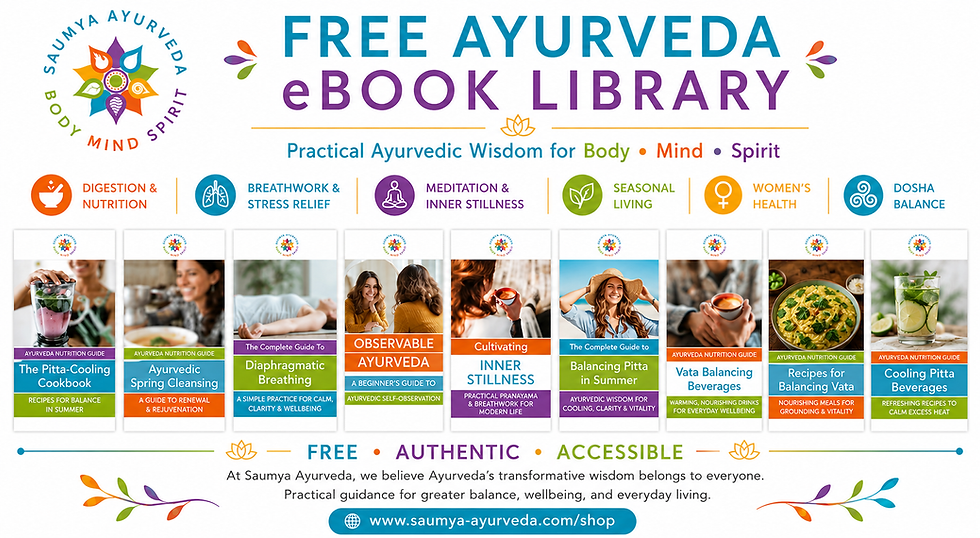
At Saumya Ayurveda, we believe Ayurveda's transformative ancient wisdom belongs to everyone—not just those who can afford it. That's why we're committed to making high-quality, authentic Ayurveda education available globally, free of charge.
Through our free eBooks, guides, and educational resources, we offer practical, grounded wisdom to help those seeking greater balance, vitality, and wellbeing integrate Ayurveda into their daily lives.
Accessible. Authentic. Free. Just as it was meant to be.
Free Ayurveda eBooks – Download practical guides, recipes, and wellness resources to support your health journey.
Ayurveda Blog – Enjoy easy-to-read articles, seasonal wellness tips, healthy recipes, and everyday inspiration—always educational, never a sales pitch.
Free Guided Traditional Progressive Meditations – Practice authentic, step-by-step guided meditations to cultivate calm, focus, and inner stillness.
Monthly Educational Newsletter – Receive seasonal Ayurveda insights, new articles, healthy recipes, and free resources delivered to your inbox each month.

Glossary of Ayurvedic Terms
Agni (Digestive Fire)
In Ayurveda, Agni refers to the principle of digestion and transformation. It is used to describe the body's capacity to process food and is an important concept in traditional Ayurvedic approaches to digestive health.
Ama
Ama is an Ayurvedic concept traditionally associated with incomplete digestion or processing. Its meaning within Ayurveda is not equivalent to a medically established toxin, and it should not be confused with a scientifically demonstrated cause of viral illness.
Ayurveda
Ayurveda is a traditional system of health originating in India. It emphasizes individualized approaches to diet, daily habits, and well-being. Ayurvedic practices should be used responsibly alongside appropriate medical care.
Golden Milk
Golden milk is a warm beverage made with milk or plant-based milk and turmeric, sometimes combined with spices such as black pepper. It is traditionally enjoyed as a nourishing drink.
Tulsi (Holy Basil)
Tulsi is an aromatic herb valued in Ayurvedic tradition. Its leaves are commonly prepared as an herbal infusion and used in traditional wellness practices.
Vata, Pitta, and Kapha
These are the three doshas in Ayurveda, traditionally understood as principles that describe different aspects of physiological and functional activity. Ayurvedic approaches consider their balance when developing individualized guidance. This article focuses on practical home remedies rather than an in-depth discussion of the doshas.

What Our Clients Say | Saumya Ayurveda Testimonials
Real Transformations Through Ayurveda Consultation
Physician Testimonial (Medical Endorsement)
“As a physician, I have always believed that prevention is better than cure. In today’s healthcare environment, Ayurveda offers a logical and natural approach to long-term health and prevention.
I began working with Veena during a very demanding phase of my life, and she made the process accessible even within my busy schedule. I was encouraged to follow a steady, sustainable approach focused on real lifestyle change.
Over time, I experienced meaningful improvements in balance, energy, and well-being. In my medical practice, I now see many patients with similar stress- and diet-related imbalances, which has further reinforced my trust in Ayurvedic principles.
I have since referred several patients to Saumya Ayurveda and consider Veena a valuable resource in supporting holistic well-being.”
Dr. Gauri Nagargoje
M.D., Oncology & Hematology
Physician Testimonial (Medical Endorsement)
“As a physician, I initially struggled with Ayurveda’s simplicity and depth, but Veena’s guidance made it practical, scientific, and deeply effective.
Veena has transformed my health and perspective on healing. I experienced significant improvements in focus, digestion, stress response, and overall vitality.
Her personalized approach made lifestyle changes easy and sustainable.
This journey not only improved my health but also inspired a lifelong commitment to integrating Ayurveda into holistic healthcare.”
Dr. Jessica Bedi
D.O., & Ayurvedic Doctor


Anne R., Minneapolis, Minnesota, USA
Explore more client success stories from Saumya Ayurveda and see how Ayurveda supports healing, balance, and transformation.

Discover the Saumya Ayurveda Way
Ayurveda Begins With Seeing the Whole Person
I've Tried Everything. Why Isn't Anything Working?
When health concerns persist, it can be frustrating to keep trying one recommendation after another without understanding why nothing seems to change.
More health information isn't always the answer. In fact, when stress is already part of the picture, having more information to sort through can add to that stress. Sometimes what is needed is not another recommendation, but someone who really listens and takes the time to understand you as a whole person.
Ayurveda looks beyond individual symptoms to understand the whole person and the root causes of the dosha imbalances contributing to how you feel. This makes it possible to move beyond simply managing symptoms and understanding what you specifically need.
Why the Same Symptom Can Require a Different Approach
The same symptom does not necessarily call for the same solution. General health advice—and even general Ayurvedic advice—can fall short because most people experience more than one symptom and may have more than one dosha out of balance. Understanding the doshic picture as a whole is essential for providing truly supportive guidance.
Ayurveda looks beyond the symptoms to understand the root cause of each doshic imbalance, the dynamic interplay between the doshas, and how they affect the whole person.
Personalized Ayurveda, Rooted in Tradition
Saumya Ayurveda combines classical Ayurvedic principles with practical guidance for modern life. Your recommendations are based on your individual prakriti (natural constitution), vikriti (current state of doshic imbalance), lifestyle, environment, and circumstances—not a generic dosha checklist or one-size-fits-all protocol.
The goal is not to overwhelm you with more rules or things to try. It is to help you stop searching and start understanding—so you can make sustainable changes that support balance for you.
For those who want ongoing support, concierge-style Ayurveda consultation packages provide personalized guidance, thoughtful follow-up, and practical tools for bringing Ayurvedic principles into everyday life.
Education First. Personalized Guidance When You Need It.
Veena takes an education-first, client-centered approach. Our favorite product is knowledge.
As you work with Veena, you don't simply receive recommendations—you gain knowledge and self-awareness.
With Saumya Ayurveda, you won't find education built around selling a supplement, herb, or wellness product. Instead, you'll find traditional Ayurvedic perspectives, practical guidance, and timeless principles that cultivate self-awareness and help you make choices that are right for you.
When understanding deepens, better choices naturally follow.
Learn. Observe. Understand. Transform.
Whether you're new to Ayurveda, looking for a deeper understanding of yourself and your nature, or have tried many approaches without finding lasting change, personalized Ayurvedic guidance can help you understand your individual needs and make choices that are appropriate for you.
Begin your Ayurveda journey with a free 15-minute Discovery Call with Veena and explore whether personalized Ayurvedic guidance is right for you.

Meet Veena: Your Trusted Ayurvedic Guide for Clients Worldwide
Veena Haasl-Blilie is a Certified Ayurvedic Practitioner, Ayurveda teacher, meditation guide, and monk with over three decades of experience helping clients worldwide achieve greater balance and well-being through Ayurveda.
As founder of Saumya Ayurveda and President Emeritus of the Meditation Center, Veena serves clients worldwide through personalized Ayurvedic wellness guidance, meditation, and yoga practices.
Saumya Ayurveda has been recognized as the #1 Ayurveda cooking blog and the #3 Ayurveda website and blog and has received multiple consecutive awards for best wellness practice.
Through her work, Veena shares practical Ayurvedic guidance, nourishing recipes, and wellness education for modern living.
Inspired from an early age by learning herbal remedies, food as medicine, and traditional healing practices at her grandmother’s knee, Veena combines traditional Ayurvedic wisdom with compassionate, accessible guidance that supports mental, physical, and spiritual well-being.
Known for her warmth, humor, intuitive approach, and accessible style, Veena empowers people to create sustainable health through personalized Ayurvedic wellness plans designed to fit naturally into everyday life.
Veena is also the author of several free Ayurveda eBooks and writes the educational articles published on the Saumya Ayurveda blog.
As seen in:
Voice America
Albuquerque The Magazine
Learn more about Veena and her work through Saumya Ayurveda.
Disclaimer: This information is for educational purposes only and is not a substitute for professional medical advice. Ayurveda works best when tailored to your unique doshic profile, so it’s essential to understand your constitution and imbalances before using herbs, foods, or lifestyle practices. Consult a Certified Ayurvedic Practitioner for personalized guidance.