


Why You Shouldn’t Trust a Chatbot With Your Health (See a Certified Ayurvedic Practitioner Instead)

Updated: May 19
It only takes a few seconds to ask a chatbot about your health—and just as quickly, it will give you an answer. Whether it’s bloating, fatigue, anxiety, skin issues, or hormonal imbalance, AI now offers instant explanations that feel confident, detailed, and surprisingly personal.
But there is a growing problem: confidence is not the same as clinical accuracy, care and compassion.
As more people rely on AI tools for health advice, an important question arises—why you shouldn’t trust a chatbot with your health with Ayurveda..
While chatbots can be helpful for general education, they cannot examine your doshas, ama, agni, and, interpret subtle patterns, or understand the deeper context behind your symptoms. They do not know your constitution (Praktruti) or Viktruti, your lifestyle, or the long-term dosha imbalances that shape your wellbeing.
Holistic wellbeing is not just information—it is interpretation, observation, and experience.
This is where Ayurveda offers something technology cannot replicate. An experienced Certified Ayurvedic Practitioner does not rely on generic answers. Instead, they assess you as a whole person—your digestion, energy, emotional patterns, sleep, stress levels, and unique constitutional balance—to uncover the root cause behind symptoms. They look at the whole you-body, mind, and spirit.
In this article, we’ll explore why chatbot-generated health advice can be misleading or incomplete, and why personalized care from a human Ayurvedic practitioner remains essential for safe, effective, compassionate, and truly individualized healing.

Table of Contents
Why You Shouldn’t Trust a Chatbot With Your Health: The Real Value of Human Ayurvedic Care
A Chatbot Does Not Know You
How AI Chatbots Work in a Nutshell: A Simple Explanation
The Bixonimania Experiment: When AI Treated a Fake Disease as Real
AI Can Sound Smart While Being Wrong in Ayurveda
Chatbots Can Spread Misinformation
A Chatbot Cannot Conduct a Comprehensive Ayurvedic Assessment
Why Only a Trained Ayurvedic Practitioner Can Accurately Assess Your Dosha Balance
Human Experience Cannot Be Automated
Why Ayurveda Requires a Human Practitioner for Accurate Diagnosis and Personalized Treatment
The Benefits of Consulting a Human Certified Ayurvedic Practitioner
Personalized Care Based on Your Constitution
Root-Cause Healing Instead of Symptom Chasing
Ayurvedic Multipoint Assessment and Observation
Real-Time Questions and Personalized Adjustments
Emotional Support and Human Connection
Experience With Real Cases
Safer Herbal Recommendations
Real Consultation Examples With a Certified Ayurvedic Practitioner
Chronic Headaches
Bloating After Meals
Fatigue
Final Verdict: Why You Shouldn’t Trust a Chatbot With Your Health
Free Ayurveda Resources, eBooks, and Guided Practices (Saumya Ayurveda)

1. A Chatbot Does Not Know You
A Chatbot neither understands your unique doshic profile nor is concerned about your wellbeing. Ayurvedic guidance should never be generic; it must be tailored specifically to you.
A chatbot does not know your:
Medical history
Stress level
Diet habits
Sleep quality
Energy patterns
Emotional state
Daily routine
Family history
Current medications
Long-term tendencies
It only knows what you type in a few sentences.
How AI Chatbots Work in a Nutshell: A Simple Explanation
An AI chatbot works by using a trained computer model to understand the words you type and predict the most helpful response based on patterns learned from large amounts of text. It doesn’t think like a human—it analyzes language, context, and probabilities to generate replies in real time.
An AI chatbot can absolutely use incorrect, outdated, incomplete, or misleading information because it learns from patterns in text, and not all source material is accurate. It can also misunderstand your question or generate a confident-sounding answer that is wrong.
That’s why AI is useful for ideas and general guidance, but important facts—especially medical, legal, or financial topics—should be verified with trusted sources or a qualified professional.

The Bixonimania Experiment: When AI Treated a Fake Disease as Real
A recent example you’re likely referring to was “Bixonimania.” It was a completely fake disease invented by researchers as a test.
They created fake academic-looking papers about it, describing it as an eye condition caused by blue light from screens. Some AI systems then answered user questions as if Bixonimania were a real medical disorder, giving symptoms, explanations, and advice.
Why this happened
AI models generate answers from patterns in language. If false information appears in believable formats (like articles or papers), an AI may treat it as legitimate unless it has strong verification systems or current source-checking. It does not “know truth” the way a human expert evaluates evidence.
Why it matters
This is why AI can be helpful for general education, but risky for diagnosis or treatment if used alone. For health questions, AI responses should be cross-checked with trusted medical sources or a qualified clinician. (New York Times)
That missing context can make generic advice inaccurate—or even harmful.

2. AI Can Sound Smart While Being Wrong in Ayurveda
One of the biggest dangers of using AI for Ayurveda is that it can sound highly authoritative and traditional, even when its recommendations are incomplete or incorrect.
Because AI generates responses from language patterns rather than classical Ayurvedic training and individualized assessment (prakriti, agni, doshas, and vikriti), it may present generalized or inaccurate herbal and treatment advice with confidence.
This makes it especially important to verify Ayurvedic guidance with qualified practitioners who can properly assess constitution (prakriti), dosha imbalances (vikriti), and the state of agni and ama.
True Ayurvedic care also considers the whole person—lifestyle, emotional state, digestion, environment, and even how you are feeling in the moment—rather than relying on generalized recommendations.
AI Responses may appear:
Polished
Intelligent
Confident
Detailed
Reassuring
Convincing (even when incorrect)
But polished language does not equal clinical truth.
Many healthcare professionals report that AI tools can make surprisingly basic errors—mistakes that users without medical training may never notice. This creates a false sense of trust.
Academic research in medical AI shows that large language models can generate confident but incorrect health information, including fabricated diseases and misleading explanations, highlighting the risks of relying on chatbots for medical or Ayurvedic guidance. (Cornell University)

3. Chatbots Can Spread Misinformation
Researchers have tested whether AI systems repeat false medical claims. In one widely discussed experiment, investigators created a fake disease and fake study to see whether language models would present it as real health information.
Some systems reportedly did.
That matters because if a chatbot can confidently explain a fictional condition, users should be cautious about trusting it with real symptoms.
The internet already contains misinformation. AI can amplify it when users assume every fluent answer is accurate.
According to Harvard Kennedy School research, AI chatbots can generate “hallucinations”—plausible but incorrect outputs—that may contribute to the spread of misinformation in real-world applications. (Harvard University)
According to a systematic review published in BMC Public Health (Springer Nature), generative AI systems can produce and spread plausible but incorrect health information, raising concerns about misinformation in digital health and wellness contexts.

4. A Chatbot Cannot Conduct a Comprehensive Ayurvedic Assessment (Why AI Is Not a Substitute for an Ayurvedic Practitioner)
Real assessment goes beyond words.
An Ayurvedic practitioner may notice:
Facial complexion
Voice quality
Tension patterns
Emotional state
Skin changes
Energy level
Breathing style
Body language
Signs of depletion or stress
These clinical clues matter in Ayurveda, and no chatbot can observe or interpret them with the same depth as a qualified and experienced practitioner.
Peer-reviewed research in medical AI shows that chatbots cannot replace comprehensive clinical evaluation, as they lack the ability to perform individualized diagnosis, contextual judgment, or reliable assessment, and may generate inaccurate or fabricated medical information. (European Jounral of Public Medicine)

5. Why Only a Trained Ayurvedic Practitioner Can Accurately Assess Your Dosha Balance
In Ayurveda, a proper understanding of a person’s health is based on a detailed multi-point assessment, not a single symptom or lab value.
Practitioners evaluate many different indicators—such as tongue, digestion, elimination, sleep patterns, emotional tendencies, lifestyle habits, and physical constitution—to determine an individual’s unique dosha profile and current state of imbalance.
Because each person expresses Vata, Pitta, and Kapha in a different combination, no two presentations are exactly the same. Only when this full diagnostic picture is clearly understood can treatment be accurately matched to the individual.
When this assessment is incomplete or inaccurate, the chosen interventions may not address the root imbalance—and in some cases can worsen it by aggravating already disturbed doshas.
This is why Ayurveda emphasizes careful, individualized diagnosis before any treatment plan is created, ensuring that healing supports balance rather than creating further imbalance.
Explore your body’s natural signals in more depth by reading: Ayurveda Stool Analysis: What Your Poop Says About Your Health Ayurveda Tongue Diagnosis: What Your Tongue Is Saying About Your Health Ayurvedic Nail Analysis: What Your Nails Are Pointing to About Your Health to understand how digestion, toxins, and overall imbalance can be reflected through simple daily observations.
“The physician should understand the unique combination of doshas, tissues, and digestive fire in each individual before prescribing treatment." --Ashtanga Hridaya, Sutrasthana 1

6. Human Experience Cannot Be Automated
A seasoned Certified Ayurvedic Practitioner develops wisdom through years of helping real people.
That includes:
Pattern recognition
Clinical judgment
Intuition
Nuanced decision-making
Knowing when something is “off”
Adapting plans when progress stalls
Connect with clients
This kind of embodied expertise is built over time. It is not the same as predicting text.
Research in clinical medicine and cognitive science shows that expert-level judgment is developed through lived experience, pattern recognition, and tacit knowledge—forms of embodied expertise that cannot be fully replicated by artificial intelligence or predictive text systems.(NIH)

Why Ayurveda Requires a Human Practitioner for Accurate Diagnosis and Personalized Treatment
Ayurveda is deeply individualized, meaning no two people are treated the same even if they share similar symptoms. A qualified practitioner evaluates prakriti (constitution), vikriti (current dosha imbalance), agni (digestive fire), and ama (toxin accumulation) to identify the true root cause of disease rather than focusing only on surface-level symptoms.
For example, a symptom like headaches may arise from different underlying imbalances, including Vata disturbance and nervous system depletion, Pitta excess and inflammation, Kapha stagnation and congestion, digestive toxicity, hormonal imbalance, irregular eating patterns, sleep disruption, or chronic stress overload.
A chatbot or AI system may provide a generalized recommendation based on symptom matching, but it cannot accurately determine the underlying dosha imbalance or assess the full clinical picture.
In contrast, an experienced Ayurvedic practitioner investigates root causation and tailors treatment to the individual’s complete physical, mental, and environmental context.
This is why personalized Ayurvedic care remains essential for safe, effective, and truly holistic healing.

The Benefits of Consulting a Human Certified Ayurvedic Practitioner
1. Personalized Care Based on Your Constitution
A certified Ayurvedic practitioner provides individualized care by assessing both your natural constitution (Prakruti) and current imbalances (Vikruti), ensuring recommendations are tailored specifically to your unique mind-body profile rather than based on general symptoms.
They may evaluate:
Vata, Pitta, and Kapha dominance and imbalance
Digestive strength (Agni)
Presence of Ama (metabolic toxins)
Sleep quality and circadian rhythm
Stress response and emotional resilience
Energy levels and daily fluctuations
Seasonal and environmental influences
This comprehensive assessment allows for precise, root-cause-based Ayurvedic recommendations that support deeper balance, improved digestion, and long-term well-being.
Explore our Wild List of Vata Imbalances, Hot List of Common Pitta Imbalances, and Sturdy List of Common Kapha Imbalances to discover the wide range of physical, mental, and emotional symptoms that can arise when each dosha becomes aggravated—from anxiety, insomnia, and constipation to inflammation, irritability, congestion, sluggishness, and weight gain.
2. Root-Cause Healing in Ayurveda: Moving Beyond Symptom-Based Care
Many people rely on fragmented or generalized online advice that focuses only on suppressing symptoms rather than understanding their origin. In contrast, a Certified Ayurvedic Practitioner focuses on identifying and addressing the root cause of imbalance through a deeper clinical understanding of the whole person.
Instead of only asking, “How do we stop the headache?” an Ayurvedic assessment explores interconnected factors such as:
Digestive imbalances such as constipation, weak Agni, and irregular metabolism
Lifestyle patterns including meal timing, overwork, and disrupted daily routines
Hormonal fluctuations and internal physiological shifts
Sleep quality and accumulated sleep debt
Stress load and nervous system overload
Hydration status and tissue nourishment
Inflammatory processes within the body
Emotional state and mental strain
When these underlying imbalances are properly identified and addressed, symptoms often begin to resolve naturally, supporting more sustainable, individualized, and holistic Ayurvedic healing.
Download your free eBook, “Observable Ayurveda: A Guide to Ayurvedic Self-Observation,” and learn how to understand your body, digestion, and daily patterns through simple Ayurvedic self-awareness. If it resonates, book a discovery call with Veena .

3. Ayurvedic Multipoint Assessment: A Holistic Clinical Observation Model
Traditional Ayurvedic practitioners use a multipoint assessment approach based on careful, whole-person observation rather than isolated symptom analysis.
This comprehensive evaluation may reveal patterns related to:
Nervous system balance and Vata activity
Digestive function and Agni strength
Dosha aggravation and vikriti (current imbalance)
Energy levels and overall vitality
Stress response and emotional regulation
Signs of internal physiological imbalance
Presence of ama (metabolic toxins)
This multidimensional diagnostic process allows for a nuanced understanding of root-cause imbalance—an insight that cannot be accurately replicated by chatbot-based or automated health systems.
4. Real-Time Questions and Personalized Adjustments
Ayurveda plans often evolve and improve with thoughtful refinement.
A practitioner can guide you when you ask:
How can I support the positive changes I’m noticing?
Is this herb still the best fit for me right now?
How can I make this routine more balancing for the next season?
What is the best way to stay on track while traveling next week?
How can I adapt this plan to fit my new schedule more easily?
What adjustments can help me progress even more effectively?
This kind of real-time, personalized guidance is far more valuable than static online advice because it is specific to you, your climate, and the time of year.
5. Emotional Support and Human Connection in Ayurvedic Healing
Health challenges can feel deeply personal and, at times, isolating. Many people benefit not only from treatment recommendations, but also from:
Encouragement
Accountability
Compassion
Honest feedback
Reassurance
Inspiration
The consistent presence of a trusted Ayurvedic guide throughout the healing process
A chatbot may imitate warmth through language, but it cannot offer genuine human empathy, lived understanding, or a real therapeutic relationship. In many cases, human connection is an essential part of healing—and that level of care cannot be automated.
6. Emotional Impact of Health Challenges: Why Healing Can Feel Personal and Isolating
Health challenges can feel deeply personal and, at times, isolating. Many people benefit not only from treatment recommendations, but also from:
Encouragement
Accountability
Compassion
Honest feedback
Reassurance
Inspiration
The presence of a trusted Ayurvedic guide throughout the healing process
A chatbot may imitate warmth through language, but it cannot offer genuine human empathy, lived understanding, or a real therapeutic relationship. In many cases, human connection is an essential part of healing—and this level of care cannot be automated.
7. Personalized Ayurvedic Herbal Recommendations for Effective Results
Herbs are powerful therapeutic tools in Ayurveda, but not every herb is appropriate for every individual or condition. Safe and effective herbal use requires personalized assessment rather than generic online recommendations.
A qualified Certified Ayurvedic Practitioner may consider:
Constitutional factors (prakriti) and current imbalance (vikriti)
Digestive strength and metabolic fire (agni)
Presence of toxins or metabolic buildup (ama)
Current medications and possible interactions
Pregnancy or breastfeeding status
Allergies, sensitivities, and contraindications
Correct timing of administration
Proper dosage and formulation
Seasonal and climate influences
This individualized approach reduces guesswork, minimizes the risk of adverse reactions, and supports safer, more effective, and more sustainable Ayurvedic herbal outcomes.
Human Practitioner vs Chatbot
 | |
Human Certified Ayurvedic Practitioner | Chatbot |
Understands your unique constitution | Gives generalized responses |
Can assess patterns over time | Responds only to prompts |
Uses experience and intuition | Predicts text patterns |
Offers accountability | No real relationship |
Can perform multipoint assessment | Cannot perform multipoint assessment |
Adapts plans as you progress | Static unless re-prompted |
Provides compassionate support | Simulates conversation |

Real Consultation Examples With Veena, Certified Ayurvedic Practitioner
Example 1: Chronic Headaches
A chatbot may suggest hydration.
A practitioner may discover:
High Pitta from skipped meals and GERD
Constipation
Late nights aggravating Vata
Stress tension in the neck
Different root cause, different solution. ⭐⭐⭐⭐⭐ Ayurvedic Migraine & Chronic Headache Relief Testimonial
“I have suffered from chronic headaches and migraines for as long as I can remember. I consulted multiple primary care physicians and specialists, and was prescribed various medications, but nothing truly resolved the issue.
After beginning an Ayurvedic consultation with Veena, a certified Ayurvedic practitioner, she promptly created a personalized treatment plan tailored to my constitution and imbalances.
Right away, I noticed a significant reduction in the frequency of my headaches. When headaches did occur, they were much milder and far less severe than before.
This has been the most effective headache treatment plan I have experienced, and I plan to continue my Ayurvedic wellness regimen moving forward. I am deeply grateful for Veena’s knowledge, care, and guidance, and would confidently recommend her Ayurvedic services to friends and family.”
— Adrienne Sobering, Colorado
Example 2: Bloating After Meals
A chatbot may recommend probiotics.
A practitioner may identify:
Weak agni (digestive fire)
Eating too quickly
Presence of ama (toxins)
Cold foods
Irregular meal timing
Stressed mind during meals
Lack of diaphragmatic breathing
The remedy becomes far more precise and specific to you (and only) you!.
⭐⭐⭐⭐⭐ Ayurvedic Digestive Health & Gut Balance Testimonial
“I consulted with Veena for several long-standing digestive issues, including gas, bloating, constipation, and a persistently sore tongue. After beginning the Ayurvedic consultation package, I experienced a significant reduction in my symptoms and felt noticeable improvements in overall balance, strength, and wellbeing.
What I appreciated most was how the Ayurvedic treatment plan combined personalized care with education, helping me understand my digestion, lifestyle patterns, and Ayurvedic principles more clearly.
I now feel healthier, more balanced, and more empowered in my daily routine thanks to Veena’s guidance and structured Ayurvedic approach.”
— A.W., United Kingdom
Example 3: Fatigue
A chatbot may suggest more sleep.
A practitioner may explore:
Nervous system depletion
Poor digestion
Burnout
Hormonal shifts
Nutrient issues
Emotional exhaustion
Again, nuance matters.
⭐⭐⭐⭐⭐ Ayurvedic Fatigue Relief & Energy Restoration Testimonial
“Veena has helped me so much! I had been struggling with chronic fatigue for many years and tried numerous approaches, including books, advice, and lifestyle changes, but nothing created lasting results.
After just a couple of months of working with Veena through a personalized Ayurvedic consultation and customized treatment plan, I was amazed by the results.
Not only did my fatigue significantly improve, but I also experienced renewed energy, along with greater physical and mental clarity. I feel vibrant, balanced, and truly energized again.
I am deeply grateful—Ayurveda and Veena’s individualized approach have genuinely helped me feel like I got my life back.”
— Michelle Cheuk, USA
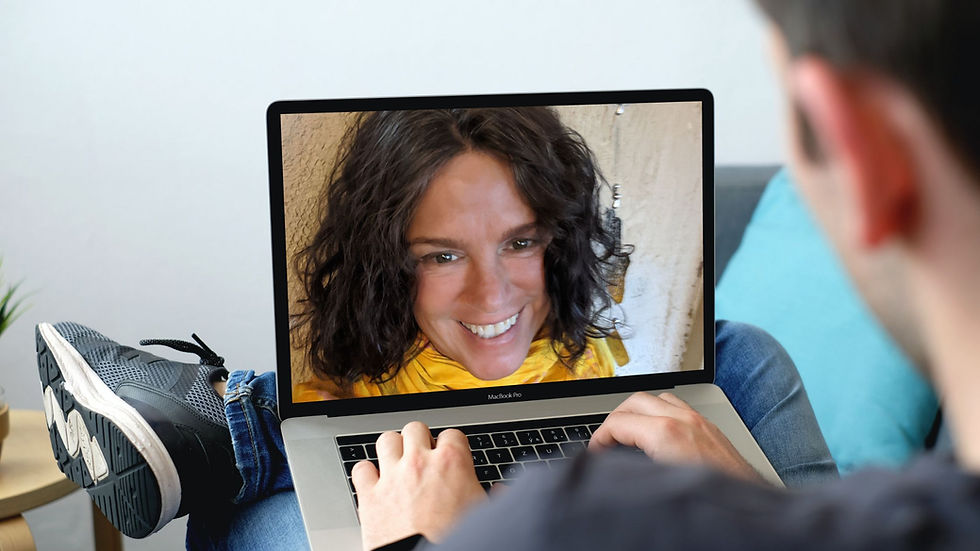
How to Choose the Right Certified Ayurvedic Practitioner
Look for someone with:
Recognized education or certification
Clear communication
Personalized recommendations
Follow-up support
Experience
A compassionate approach
The right practitioner helps you feel seen, informed, and empowered.
The Future of AI and Personalized Wellness
AI may continue helping with:
Education
Scheduling
Habit tracking
Journaling prompts
Recipe ideas
Wellness reminders
But the heart of Ayurveda will always remain deeply human. Presence, intuition, relationship, and personalized wisdom cannot be automated.

Final Verdict: Why You Shouldn’t Trust a Chatbot With Your Health
You should not trust a chatbot with your health because it cannot know you, examine you, or understand your unique constitution, nor can it replace the lived clinical experience of a trained Certified Ayurvedic Practitioner who has spent decades observing real patients through every stage of imbalance and healing.
In Ayurveda, true understanding comes from recognizing the dynamic interplay of the doshas (Vata, Pitta, Kapha), agni (digestive fire), and ama (toxic metabolic buildup)—all of which are continuously shaped by climate, seasonal rhythms (ritucharya), stage of life, daily routines, and the evolving relationship between prakriti (inherent constitution) and vikriti (current imbalance).
Interpreting this complexity requires direct observation, long-term clinical pattern recognition, and the ability to perceive subtle changes in the body and mind that no chatbot can detect.
While AI may provide general information, it cannot truly understand how these factors interact uniquely within your body or how they shift over time.
If you want personalized guidance, root-cause insight, and care grounded in real human clinical experience, seeing a Certified Ayurvedic Practitioner with decades of hands-on practice offers a level of depth, discernment, and therapeutic intelligence that no artificial system can replicate.
Use technology wisely. Trust your health to experienced human care rooted in Ayurveda.

Frequently Asked Questions
Can a chatbot give Ayurvedic advice?
A chatbot can share general Ayurvedic concepts or basic explanations, but it cannot provide true Ayurvedic clinical guidance. Ayurveda is deeply individualized and depends on real-time assessment of doshas (Vata, Pitta, Kapha), agni (digestive fire), ama (toxicity), climate influences, seasonal shifts (ritucharya), stage of life, and the dynamic relationship between prakriti (constitutional nature) and vikriti (current imbalance)—all of which require direct observation and clinical interpretation developed through years of treating real patients.
That said, when reliable, well-researched Ayurvedic blogs and qualified practitioners are available, they offer far more depth, context, and personalized understanding than AI-generated responses alone.
Why is personalization important in Ayurveda?
Personalization is essential because no two individuals express imbalance in the same way. A single symptom—such as fatigue, headaches, or digestive discomfort—can arise from completely different patterns of dosha disturbance, agni dysfunction, ama accumulation, seasonal influence, or life-stage transitions.
Experienced Ayurvedic practitioners who have spent decades working with patients learn to recognize these nuanced differences and tailor recommendations accordingly, rather than applying generic protocols.
What does a Certified Ayurvedic Practitioner do?
A Certified Ayurvedic Practitioner evaluates the whole person through detailed assesment, observation,questioning, and traditional diagnostic methods. This includes assessing prakriti and vikriti, digestive strength (agni), presence of ama, doshic imbalance, emotional patterns, dietary habits, environmental and climate influences, and ritucharya alignment.
With years—often decades—of hands-on patient experience, the practitioner develops the ability to see subtle patterns over time and create highly individualized treatment and lifestyle plans that evolve with the patient’s progress.
Can AI replace Ayurvedic practitioners?
AI cannot replace the depth of insight developed by a human practitioner who has spent decades working with real patients and observing the evolving interplay of doshas, agni, ama, ritucharya, and life-stage changes.
Ayurveda is a living clinical tradition rooted in relationship, observation, and experiential understanding—qualities that require human presence, intuition, and long-term clinical practice.
Key Takeaways
Chatbots can sound confident while still being incorrect or incomplete
AI may generate or repeat misinformation in health contexts
Ayurveda requires individualized, real-time personalization
Human practitioners provide clinical wisdom, experience, and accountability
Ayurvedic consultation offers depth that automated systems cannot replicate
Root-cause healing is more effective than generic symptom-based advice
AI should not be used for Ayurvedic diagnosis, herbs, or treatment decisions

Free Ayurveda Resources, eBooks, and Guided Practices from Saumya Ayurveda
Enjoy Saumya Ayurveda’s free resources, created by real human beings who study, practice, and live Ayurveda (no AI pretending to know how your digestion feels after lunch). Explore our popular eBooks, free guided practices, and a 15-minute discovery call designed to support your journey with more clarity, ease, and balance than you started with.
Visit the Saumya Shop and explore our free eBook collections designed to support your Ayurvedic journey.

What Our Clients Say | Saumya Ayurveda Testimonials
Real Transformations Through Ayurveda Consultation
Physician Testimonial (Medical Endorsement)
“As a physician, I have always believed that prevention is better than cure. In today’s healthcare environment, Ayurveda offers a logical and natural approach to long-term health and prevention.
I began working with Veena during a very demanding phase of my life, and she made the process accessible even within my busy schedule. I was encouraged to follow a steady, sustainable approach focused on real lifestyle change.
Over time, I experienced meaningful improvements in balance, energy, and well-being. In my medical practice, I now see many patients with similar stress- and diet-related imbalances, which has further reinforced my trust in Ayurvedic principles.
I have since referred several patients to Saumya Ayurveda and consider Veena a valuable resource in supporting holistic well-being.”
Dr. Gauri Nagargoje
M.D., Oncology & Hematology
Physician Testimonial (Medical Endorsement)
“As a physician, I initially struggled with Ayurveda’s simplicity and depth, but Veena’s guidance made it practical, scientific, and deeply effective.
Veena has transformed my health and perspective on healing. I experienced significant improvements in focus, digestion, stress response, and overall vitality.
Her personalized approach made lifestyle changes easy and sustainable.
This journey not only improved my health but also inspired a lifelong commitment to integrating Ayurveda into holistic healthcare.”
Dr. Jessica Bedi
D.O., & Ayurvedic Doctor
Anne R., Minneapolis, Minnesota, USA


Discover the Saumya Ayurveda Way
At Saumya Ayurveda, we see you as a whole person—not just a set of symptoms. True health is more than the absence of disease, and our goal is to help you restore balance in body, mind, and spirit through expert Ayurveda care.
Deep down, you already know what you’re searching for: a holistic framework for living that supports your entire being. With Saumya Ayurveda, you’ll receive personalized guidance, lifestyle strategies, and expert Ayurveda consultations designed just for you.
We provide concierge, award-winning Ayurveda consultations that focus on your unique needs—not on selling herbs. Our multi-appointment packages ensure you get experienced support, inspiring guidance, and sustainable results.
Ready to take the first step? Explore our personalized Ayurveda services and book your FREE discovery call today to start your journey toward vibrant health and lasting balance.

Meet Veena: Your Trusted Ayurvedic Guide for Clients Worldwide
Veena Blilie is a Certified Ayurvedic Practitioner, Ayurveda teacher, meditation guide, and monk with over three decades of experience helping clients worldwide achieve greater balance and well-being through Ayurveda.
As founder of Saumya Ayurveda and President Emeritus of the Meditation Center, Veena serves clients worldwide through personalized Ayurvedic wellness guidance, meditation, and yoga practices.
Saumya Ayurveda has been recognized as the #1 Ayurveda cooking blog and the #3 Ayurveda website and blog and has received multiple consecutive awards for best wellness practice.
Through her work, Veena shares practical Ayurvedic guidance, nourishing recipes, and wellness education for modern living.
Inspired from an early age by learning herbal remedies, food as medicine, and traditional healing practices at her grandmother’s knee, Veena combines traditional Ayurvedic wisdom with compassionate, accessible guidance that supports mental, physical, and spiritual well-being.
Known for her warmth, humor, intuitive approach, and accessible style, Veena empowers people to create sustainable health through personalized Ayurvedic wellness plans designed to fit naturally into everyday life.
Veena is also the author of several free Ayurveda eBooks and writes the educational articles published on the Saumya Ayurveda blog.
As seen in:
Voice America
Albuquerque The Magazine
Learn more about Veena and her work through Saumya Ayurveda.
Disclaimer: This information is for educational purposes only and is not a substitute for professional medical advice. Ayurveda works best when tailored to your unique doshic profile, so it’s essential to understand your constitution and imbalances before using herbs, foods, or lifestyle practices. Consult a Certified Ayurvedic Practitioner for personalized guidance.


